Volksbad Nuremberg: The Return of an Architectural Icon.
From the glorious Art Nouveau gem of the Imperial era through melancholic decades as a famous "lost place" to the current 55-million-euro revitalization. Discover the eventful history of one of Germany’s most beautiful public baths and go behind the scenes of the mammoth project bringing the bath back to life in 2026.
Date
2011 - today
Location
Nürnberg, Deutschland
The Rebirth of a Bathing Cathedral: The Volksbad Nuremberg
There are places that never let you go. For me, the Volksbad in Nuremberg is one of those places. For over a decade, I have documented this Art Nouveau gem—from its melancholic standstill as a “lost place” to its current, massive revitalization. In this post, I want to take you on a journey through time: from its glorious beginnings through the dark years of the war to the current dawn of a new era.
The Origins: A Gem of the Belle Époque (1911–1914)
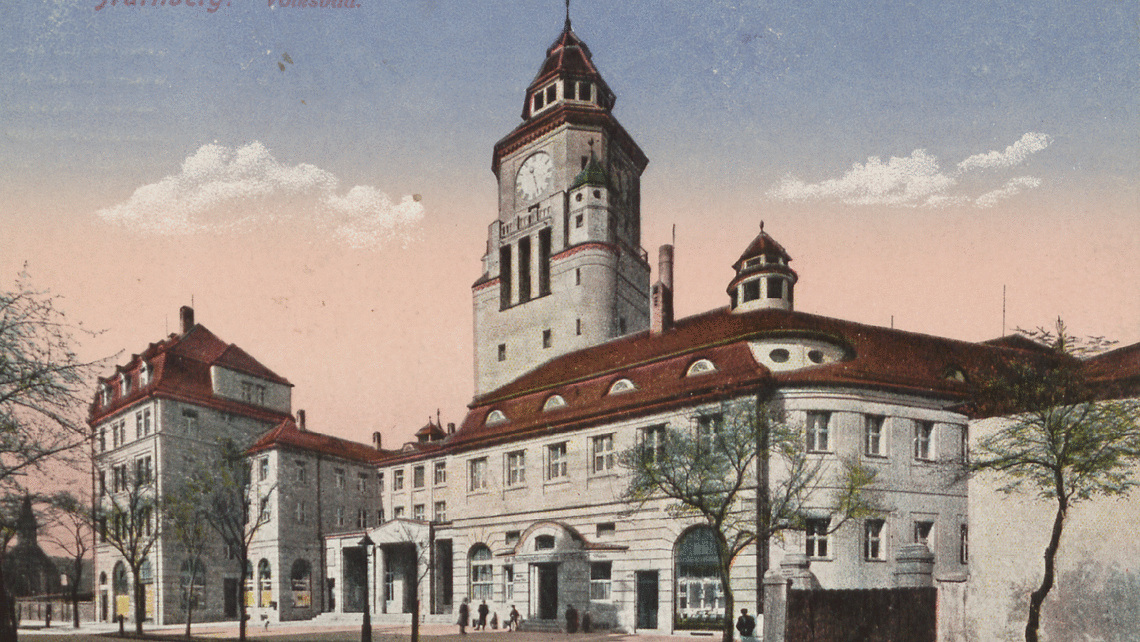
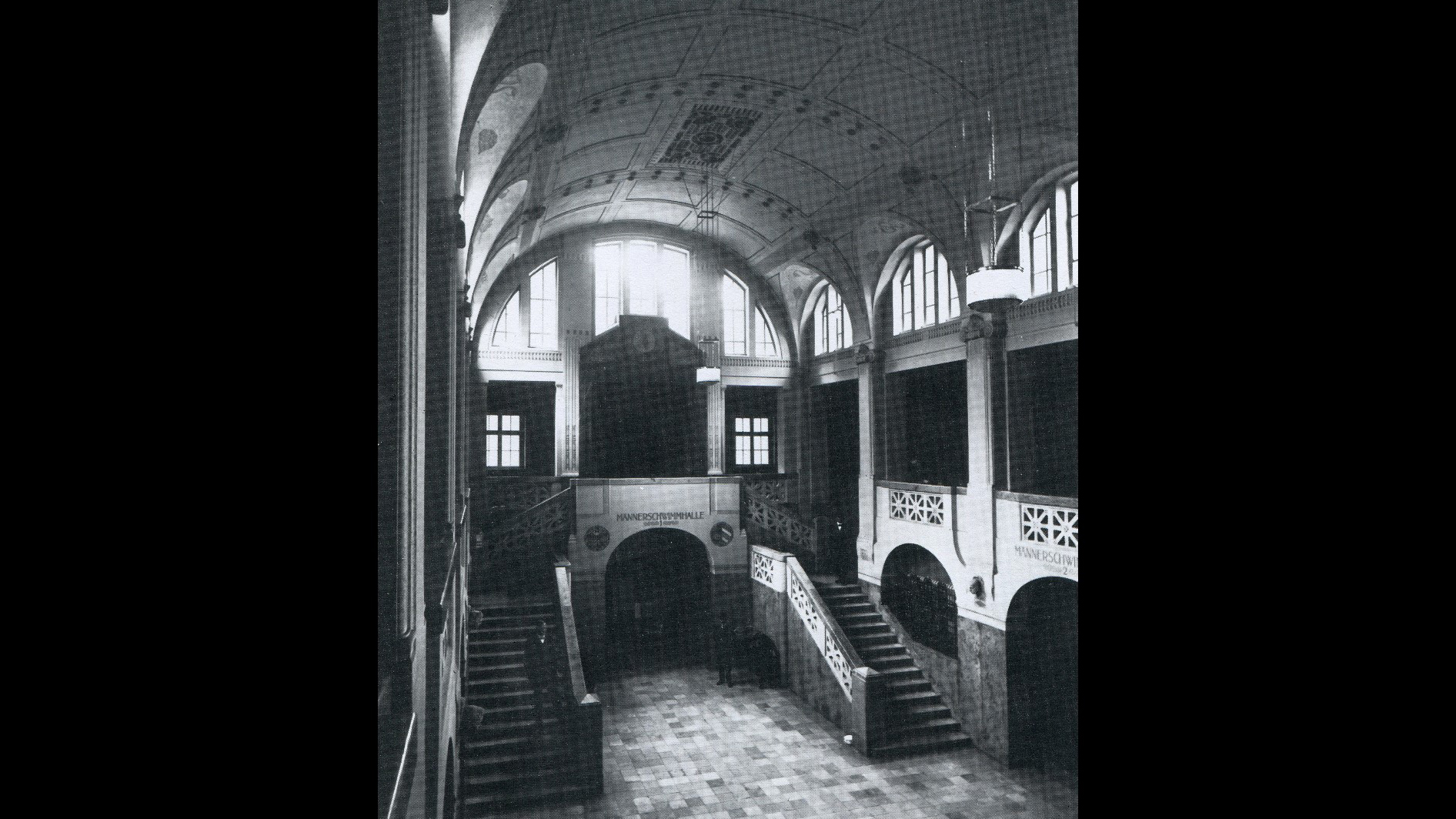
At the beginning of the 20th century, Nuremberg was bursting at the seams. The population was growing rapidly, and with it the need for hygiene and recreation. Between 1911 and 1913, a structure was built right at “Plärrer” square according to the plans of architect Carl Weber—a building that set new standards both then and now.
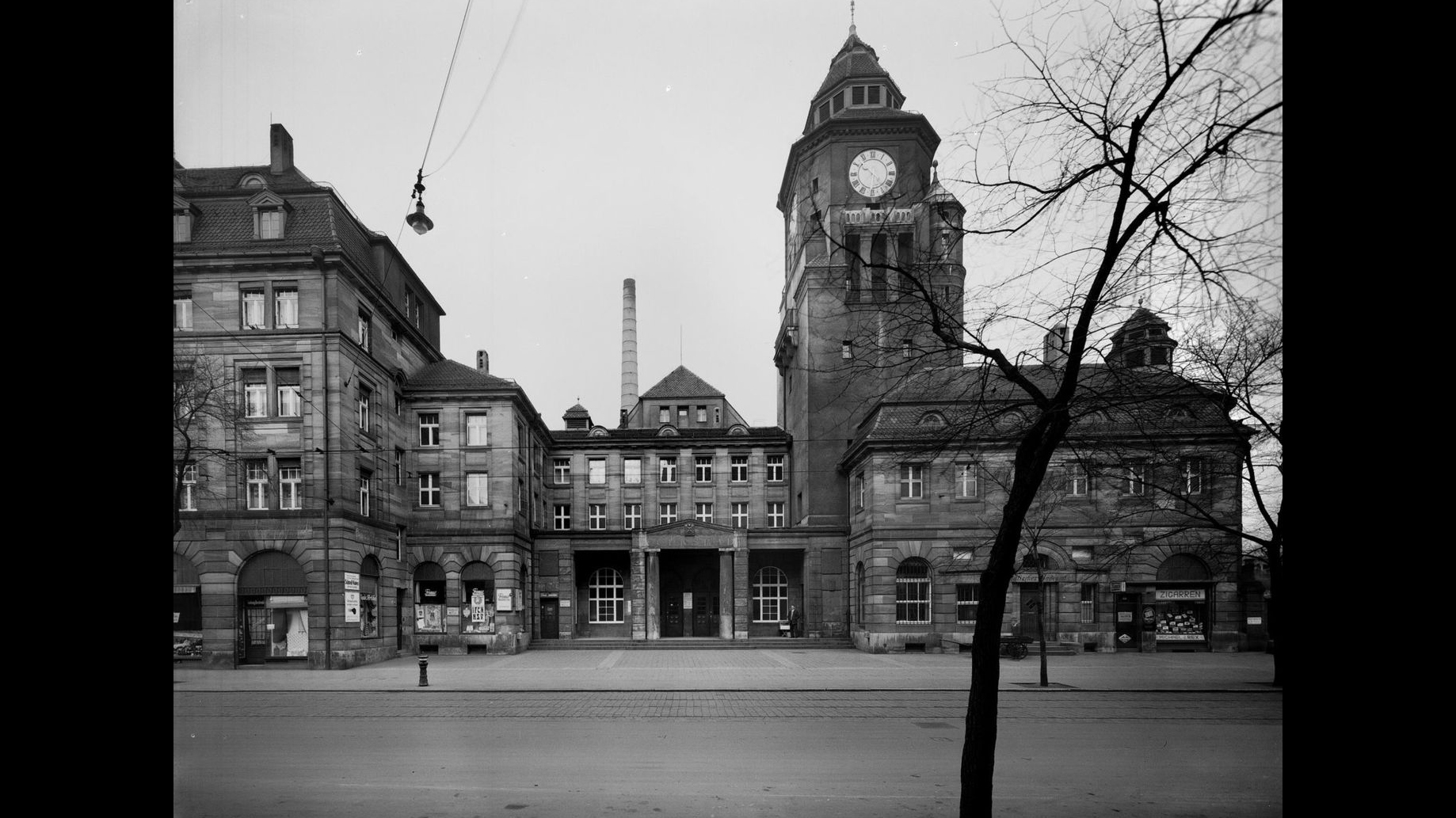
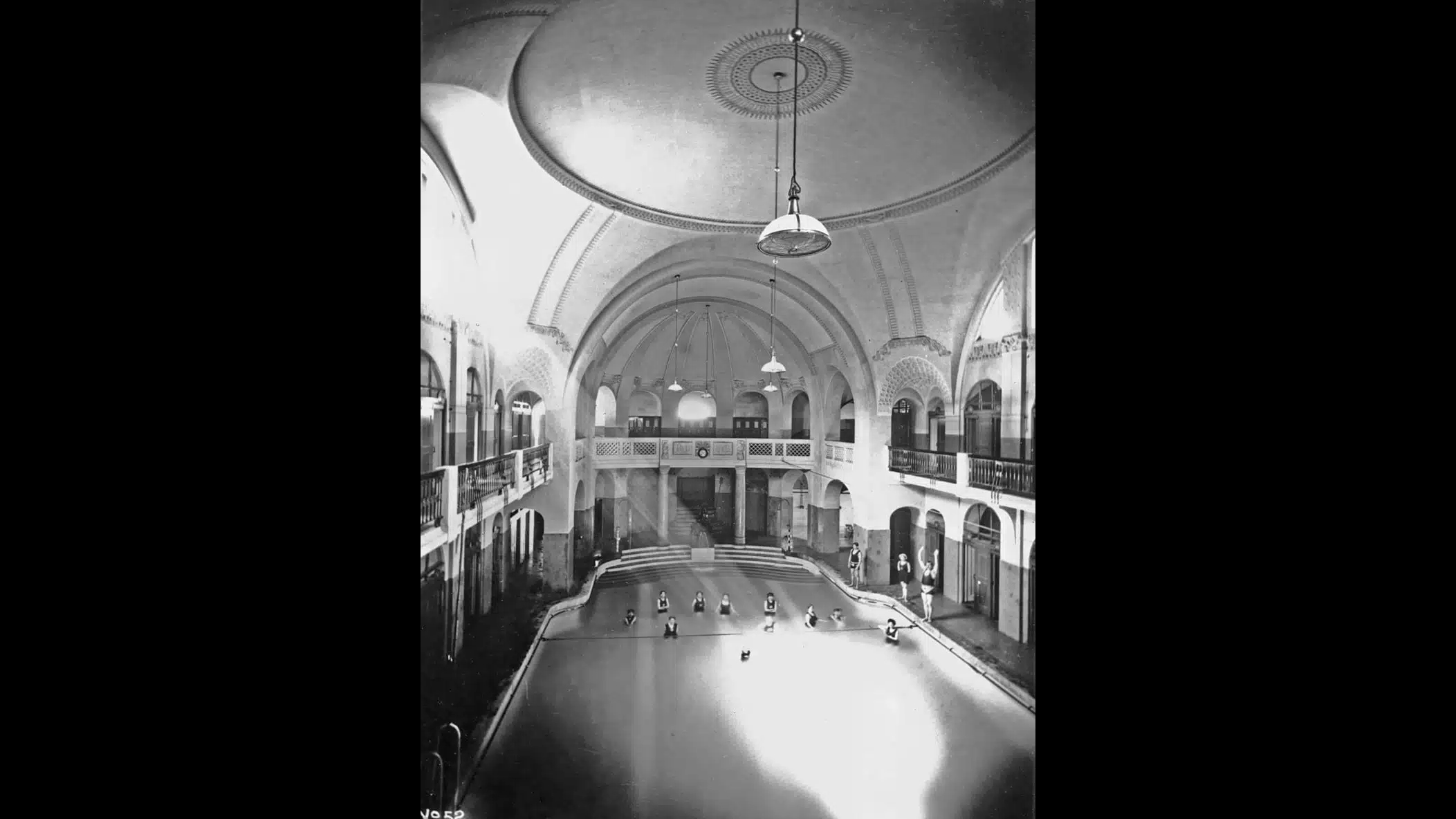
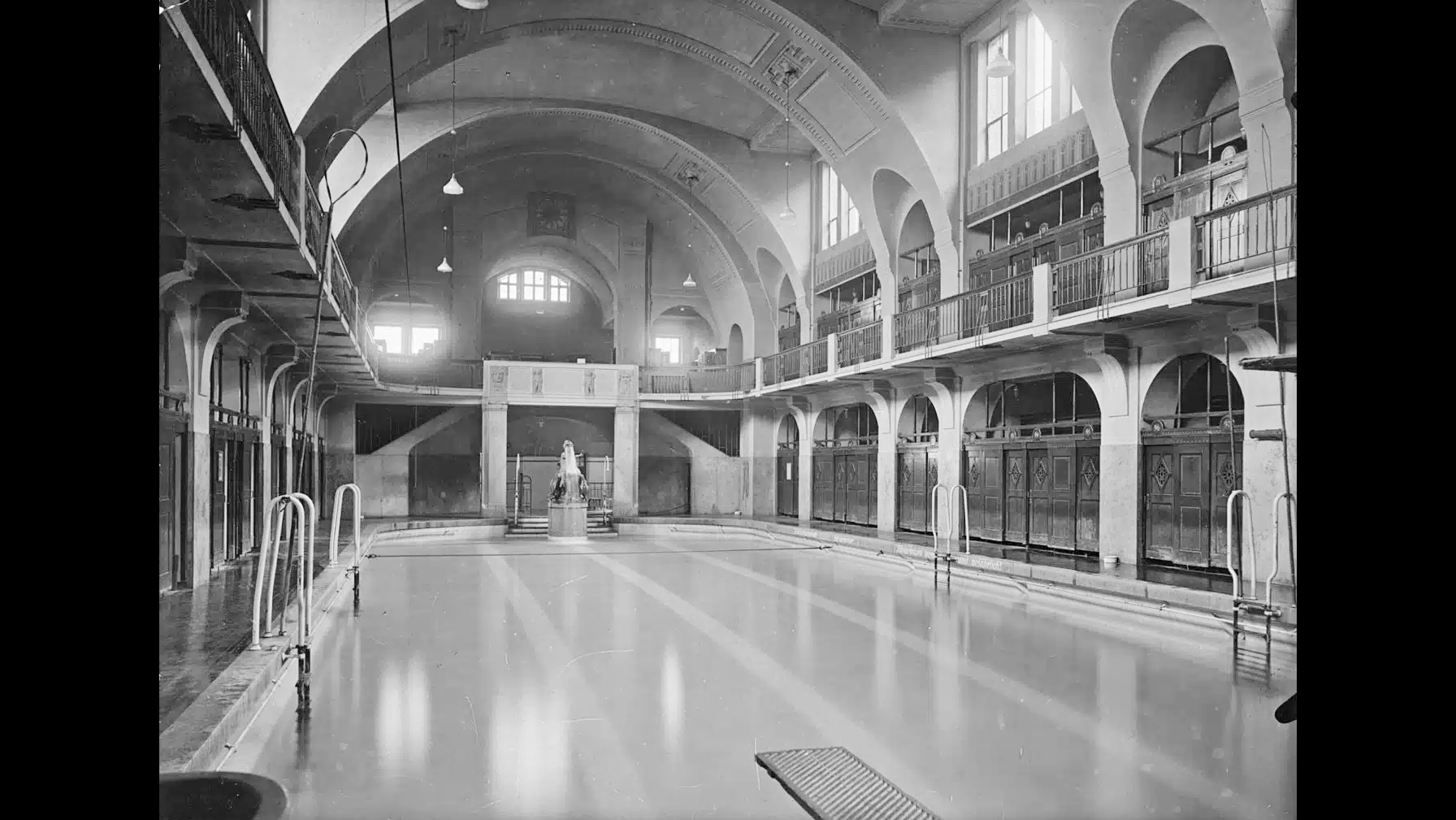
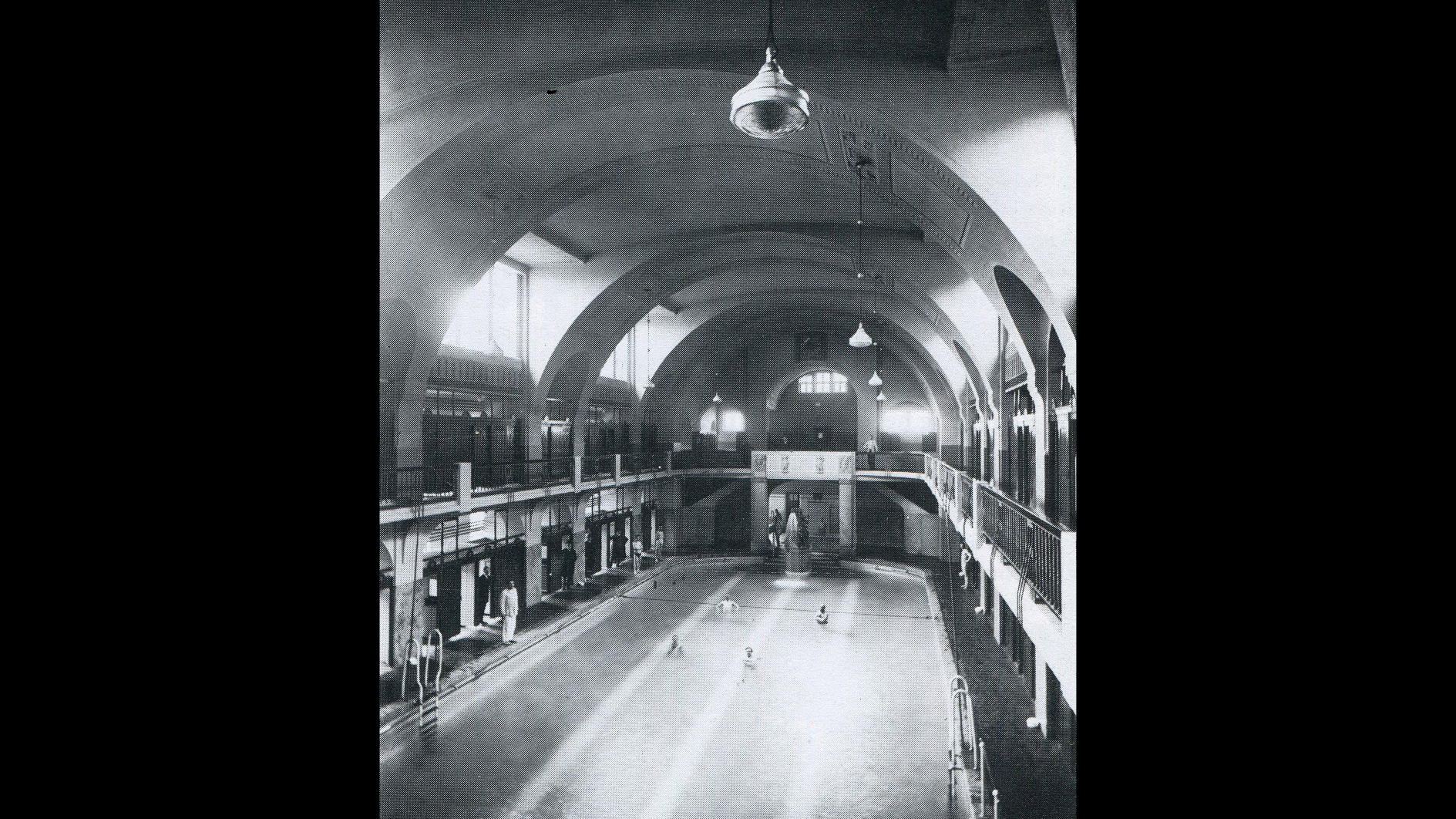
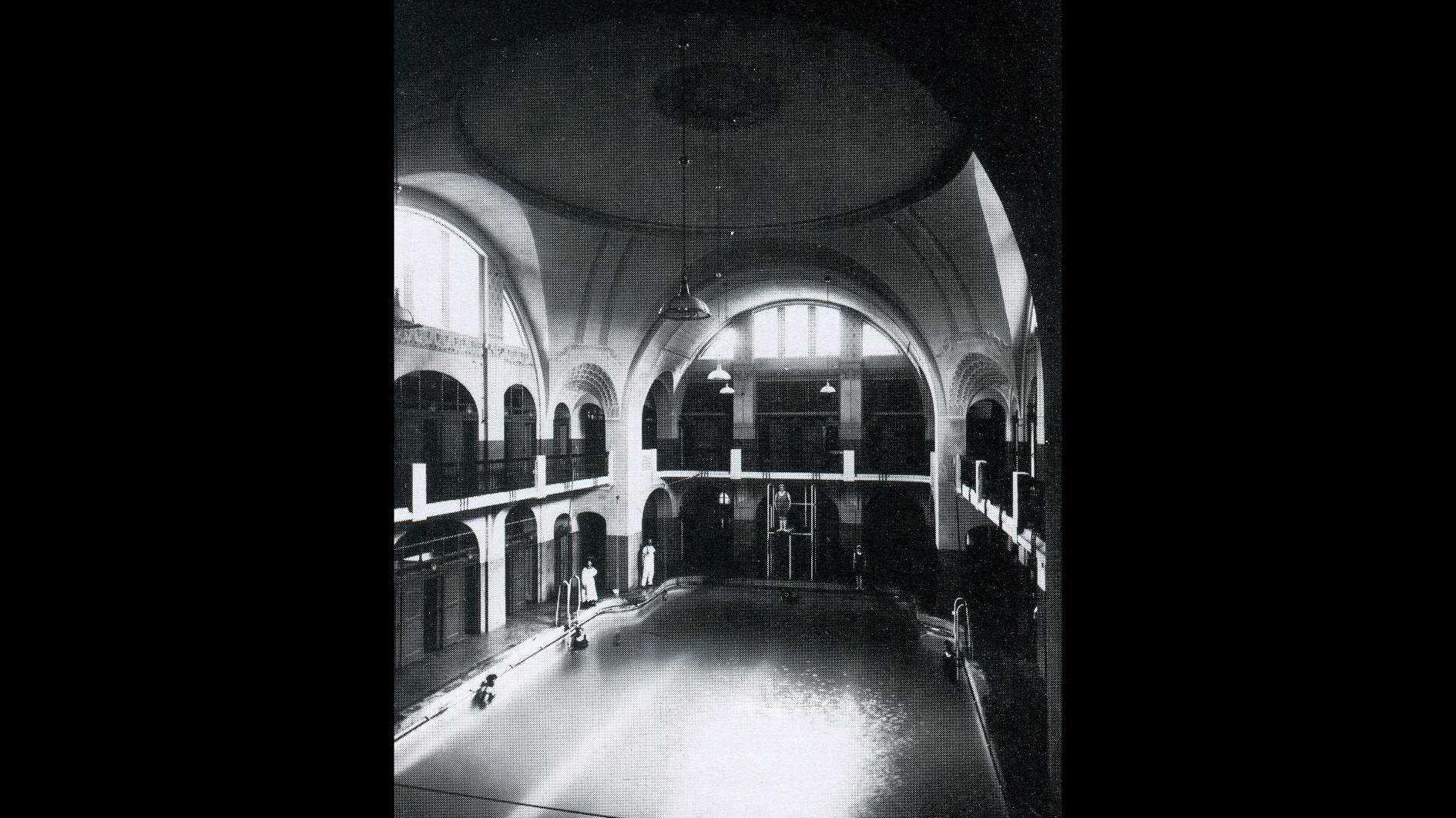
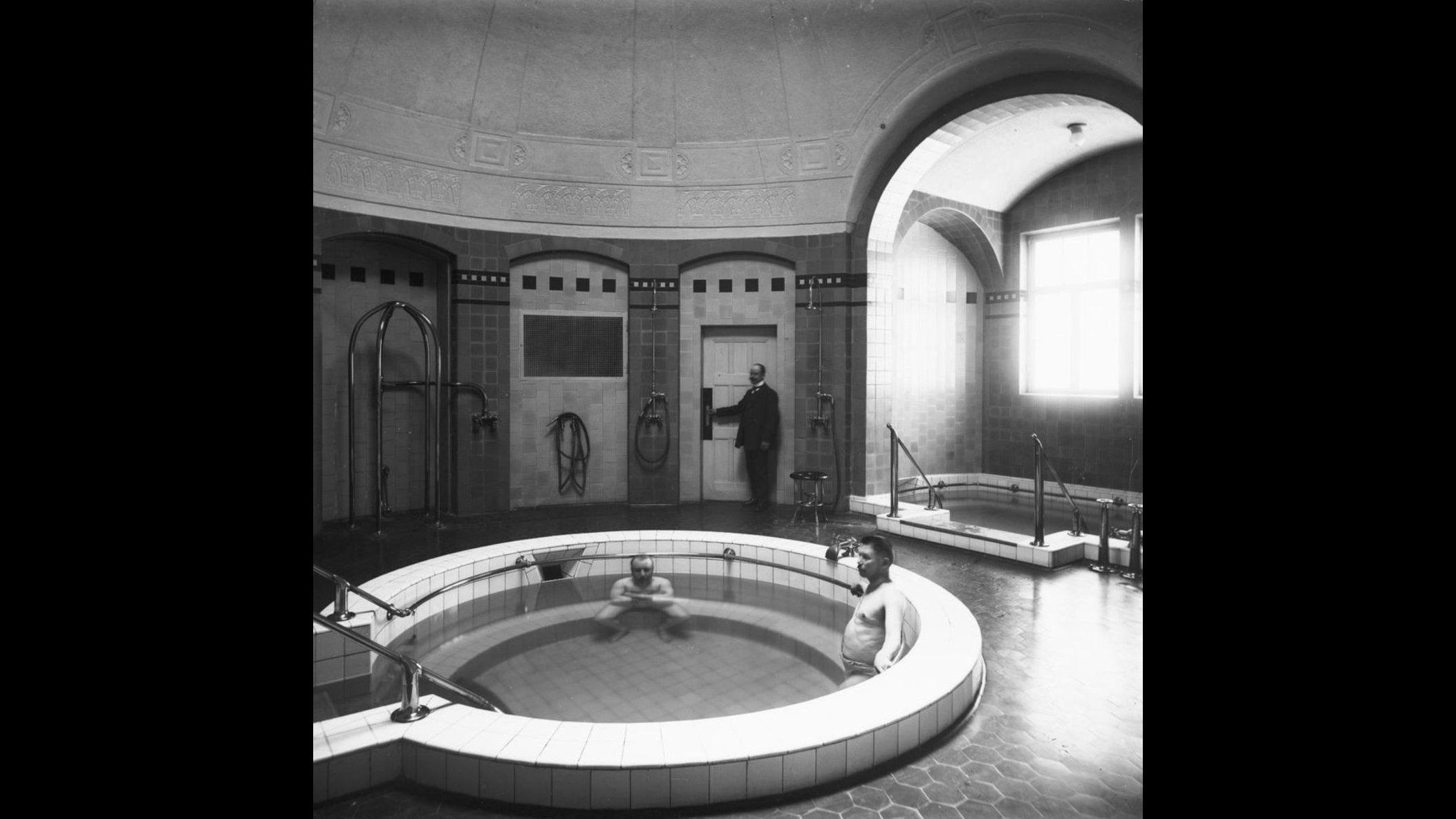
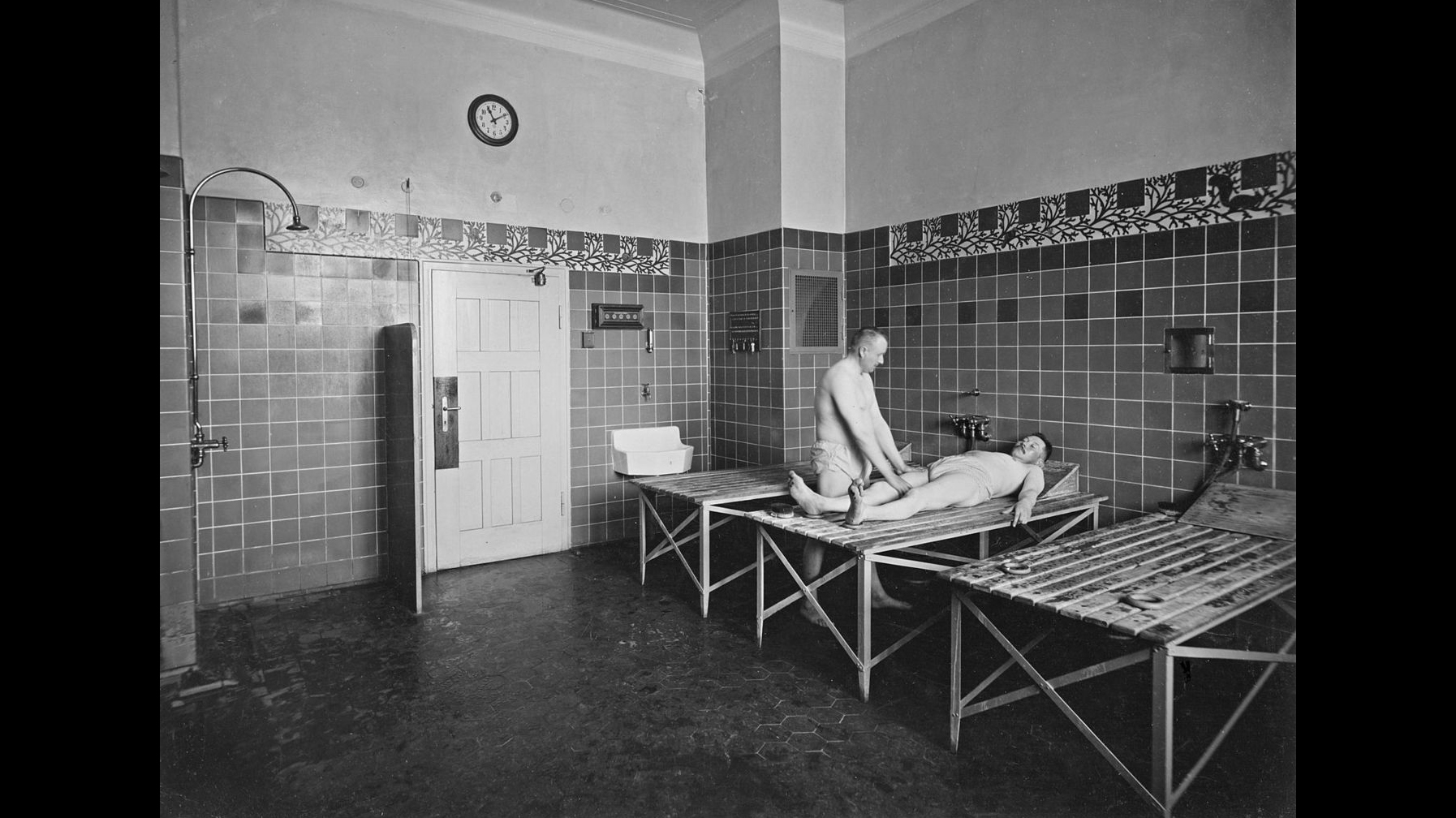
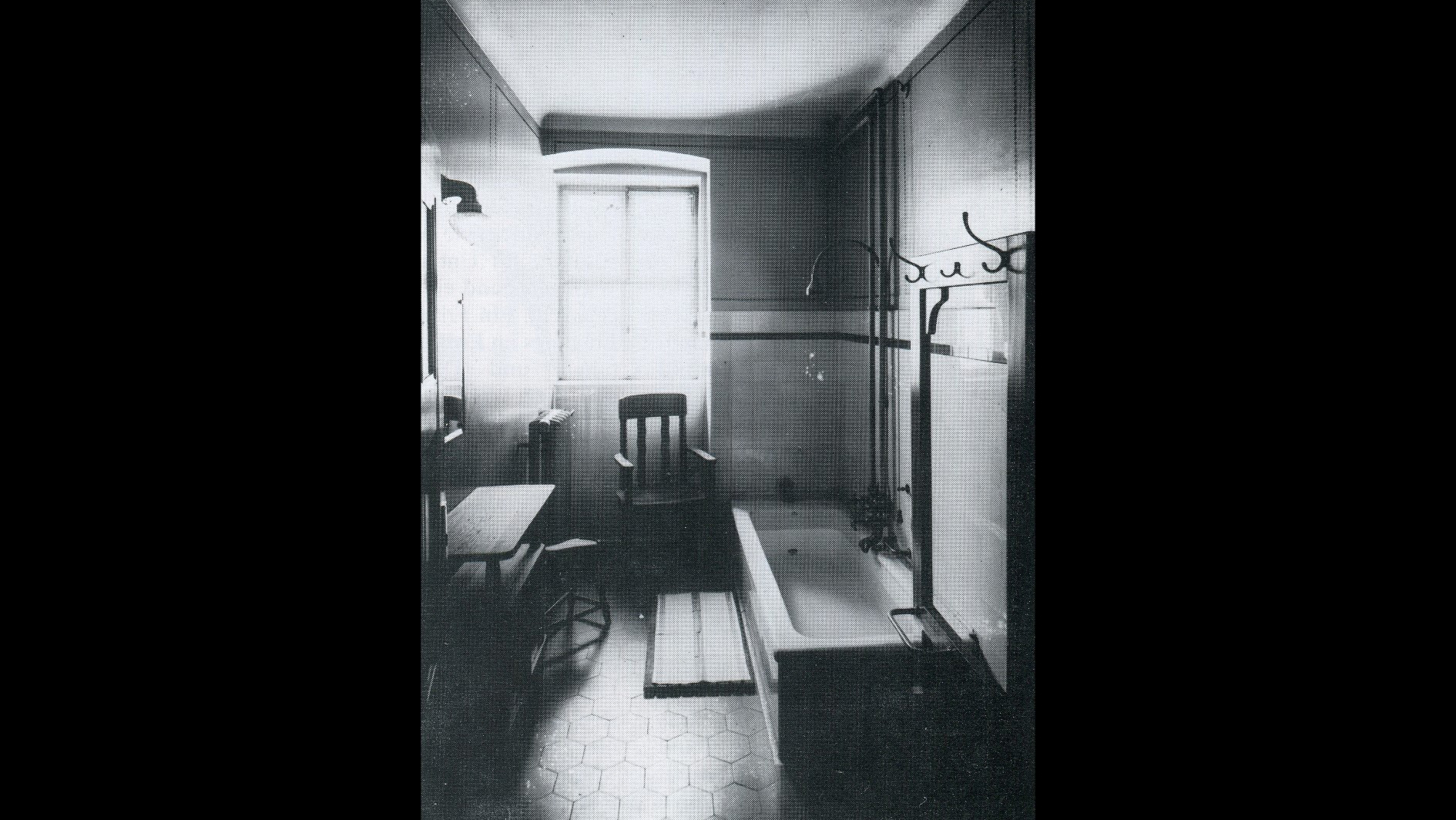
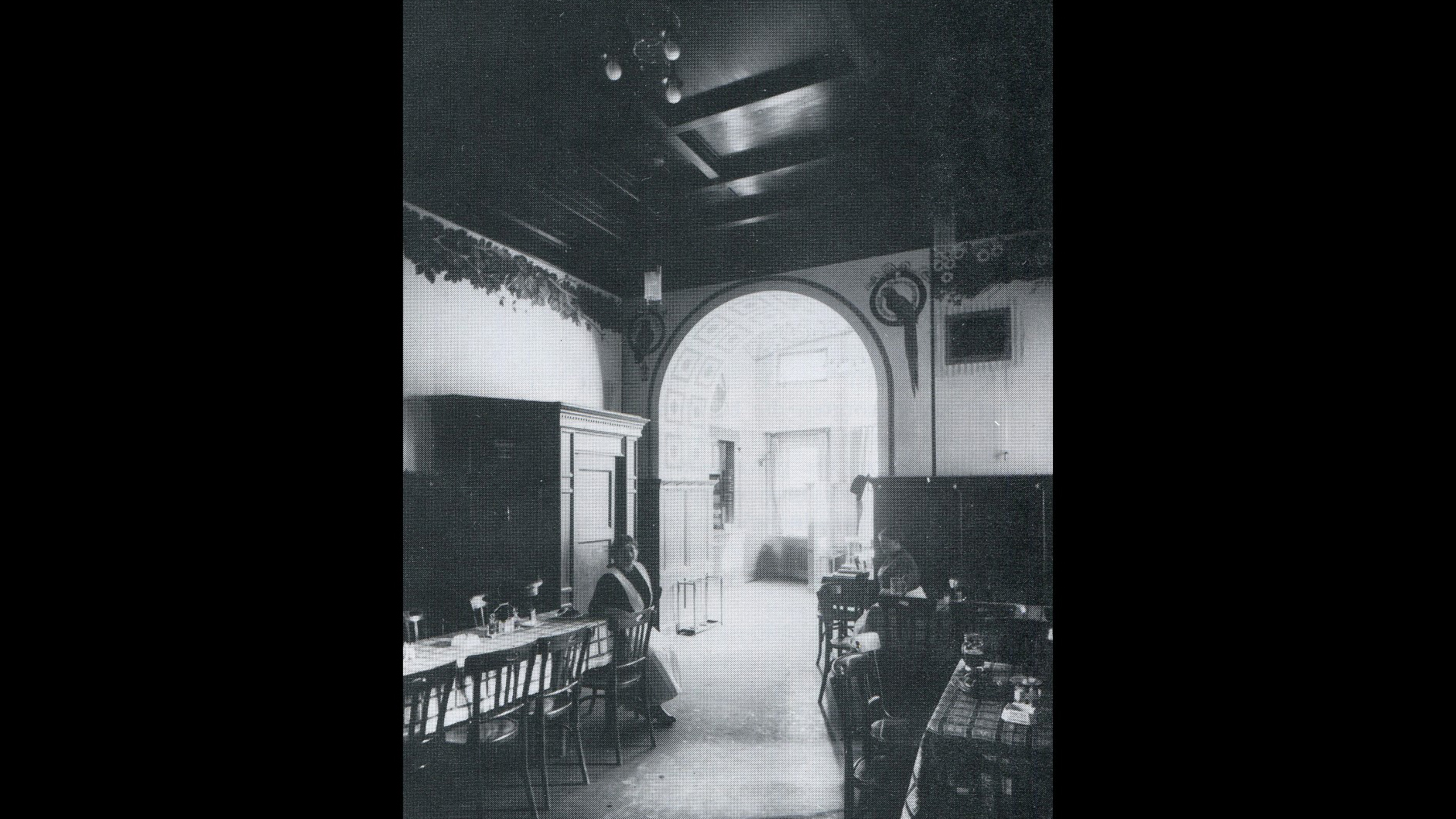
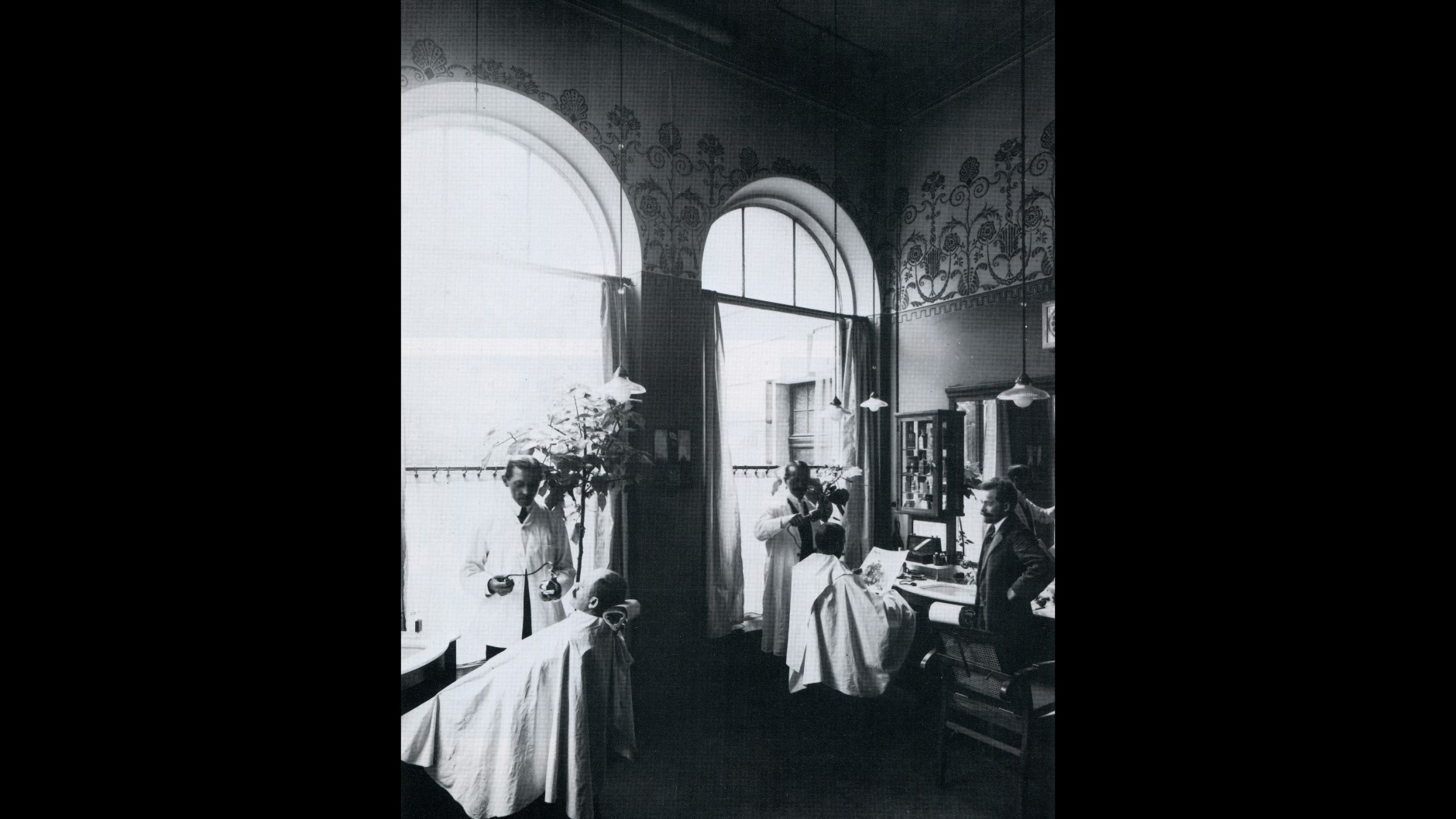
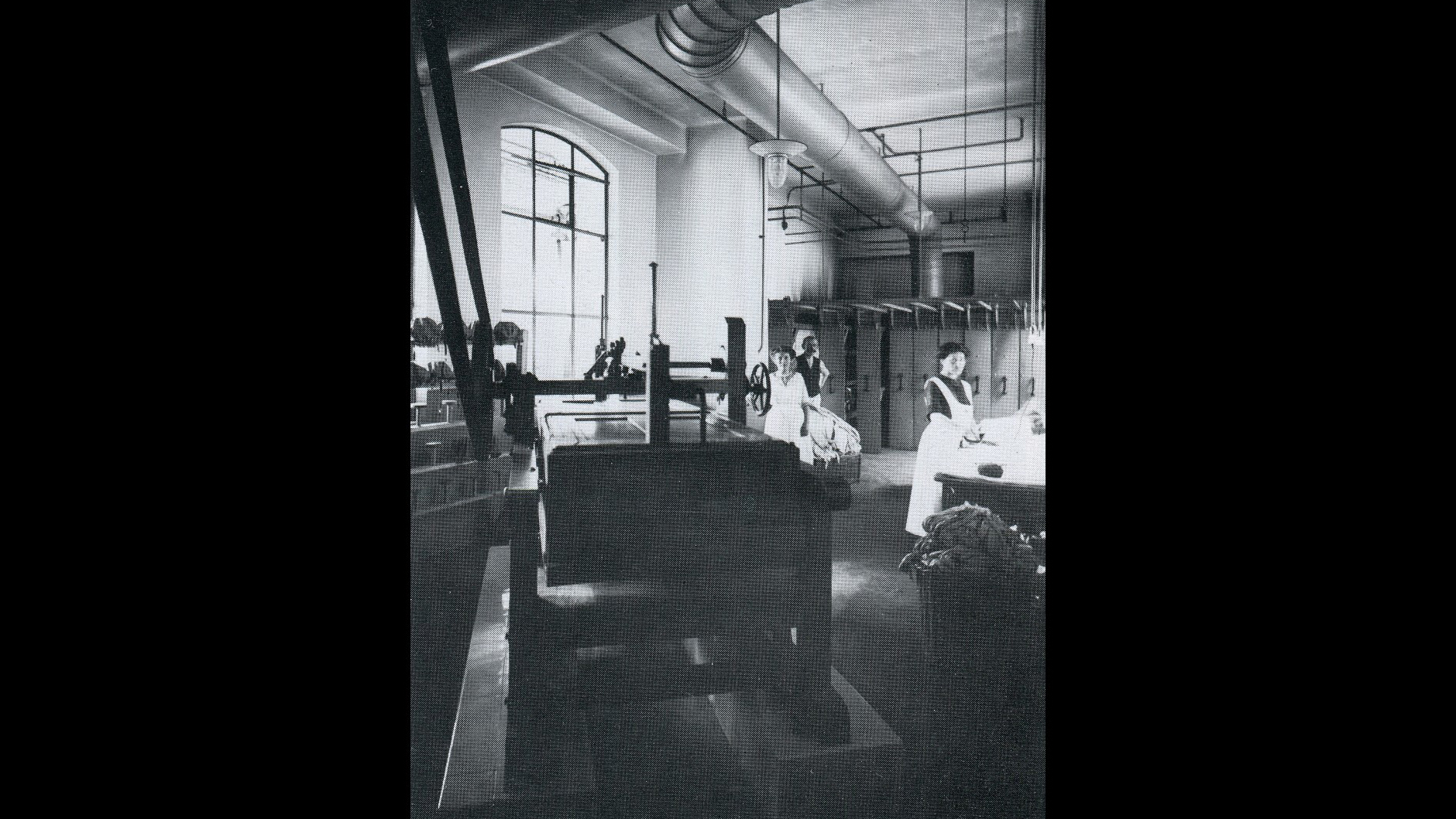
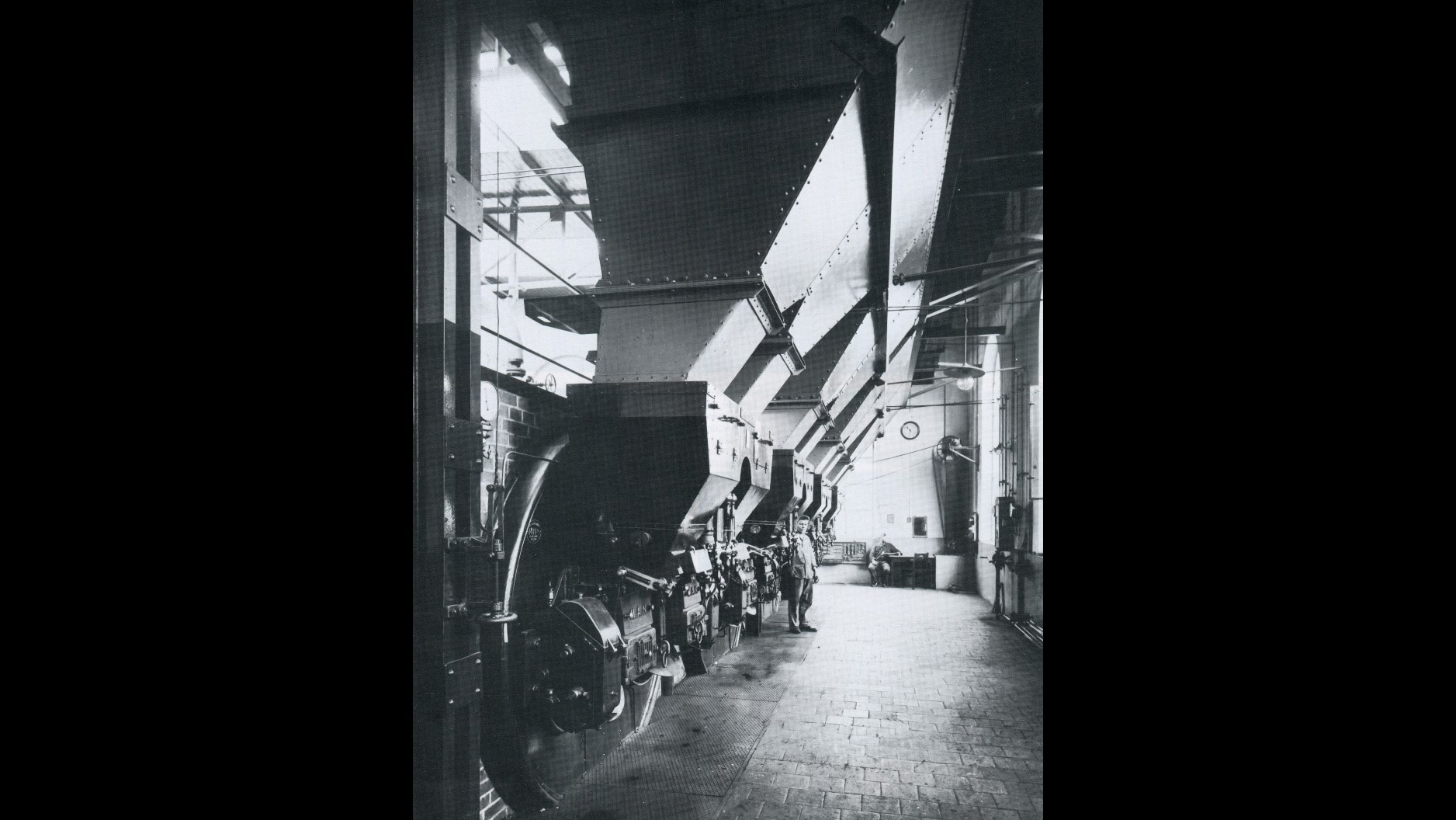
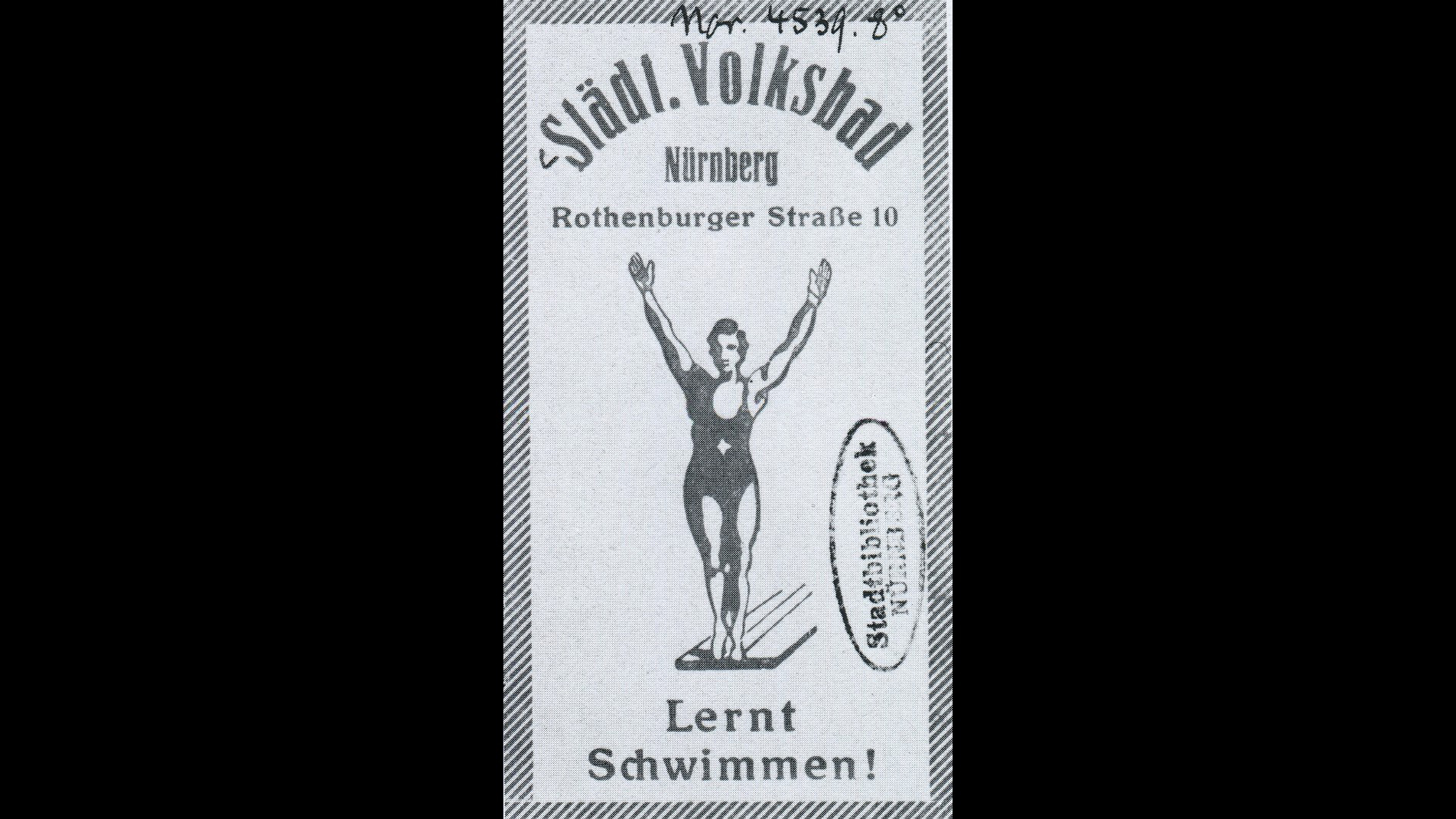
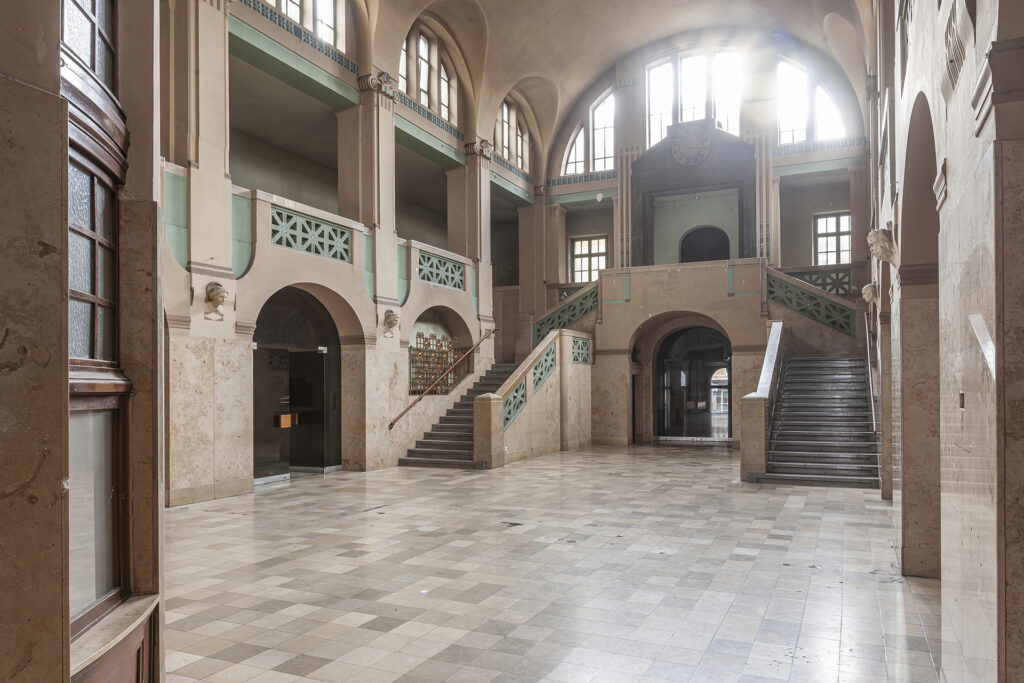
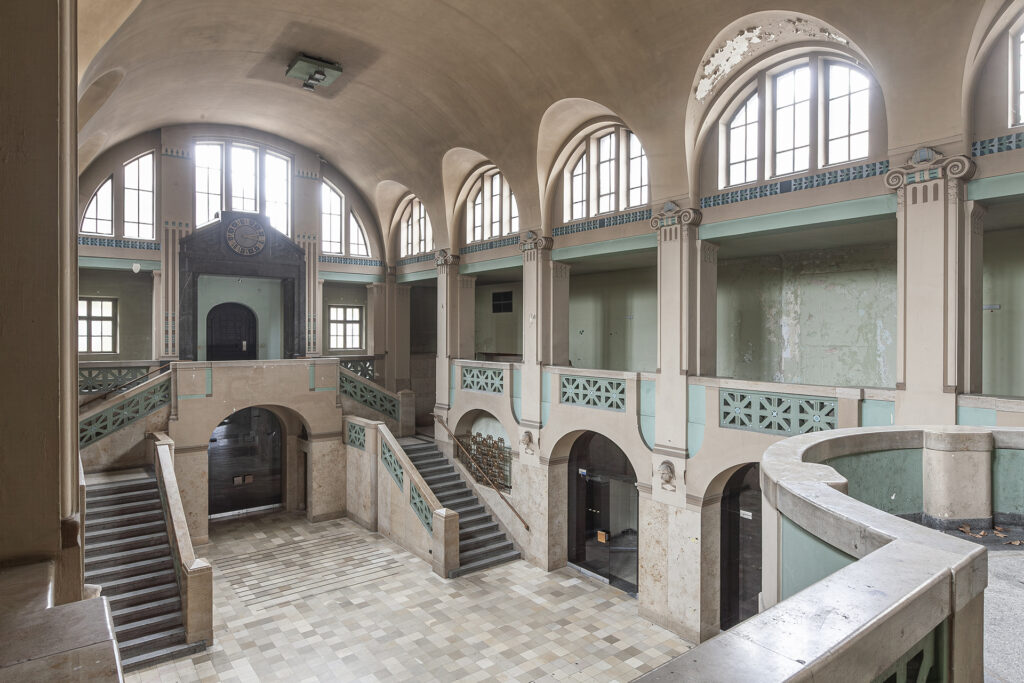
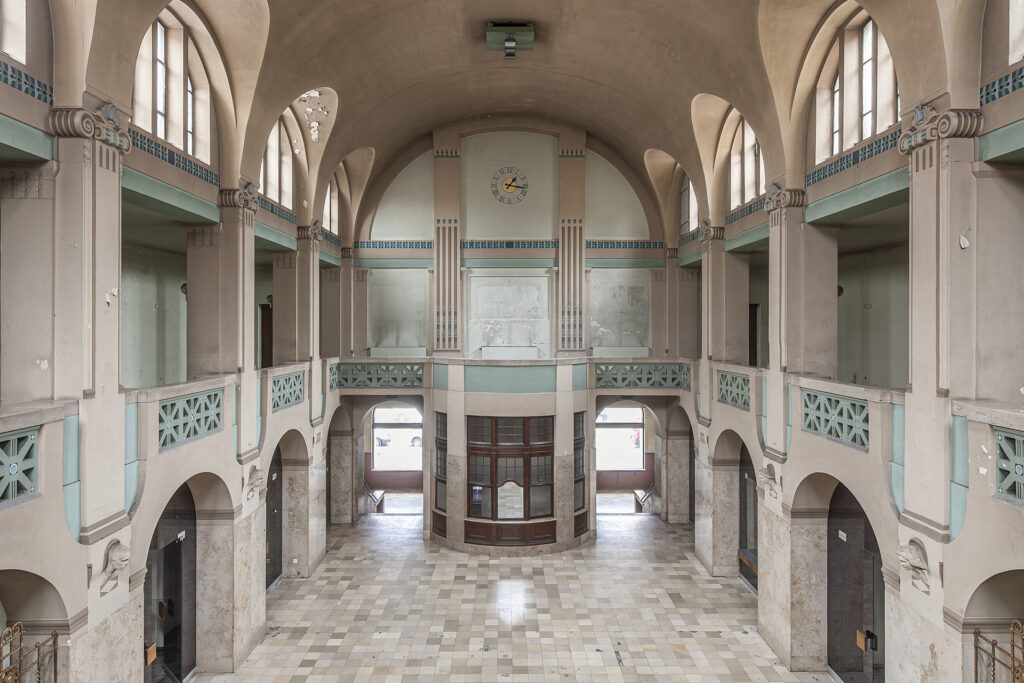
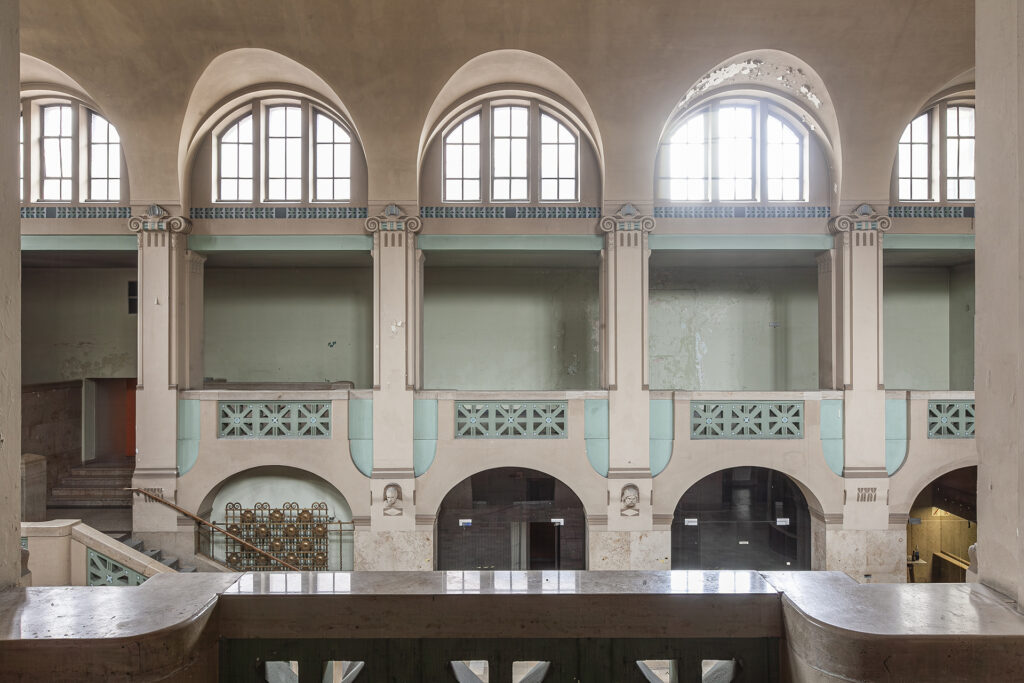
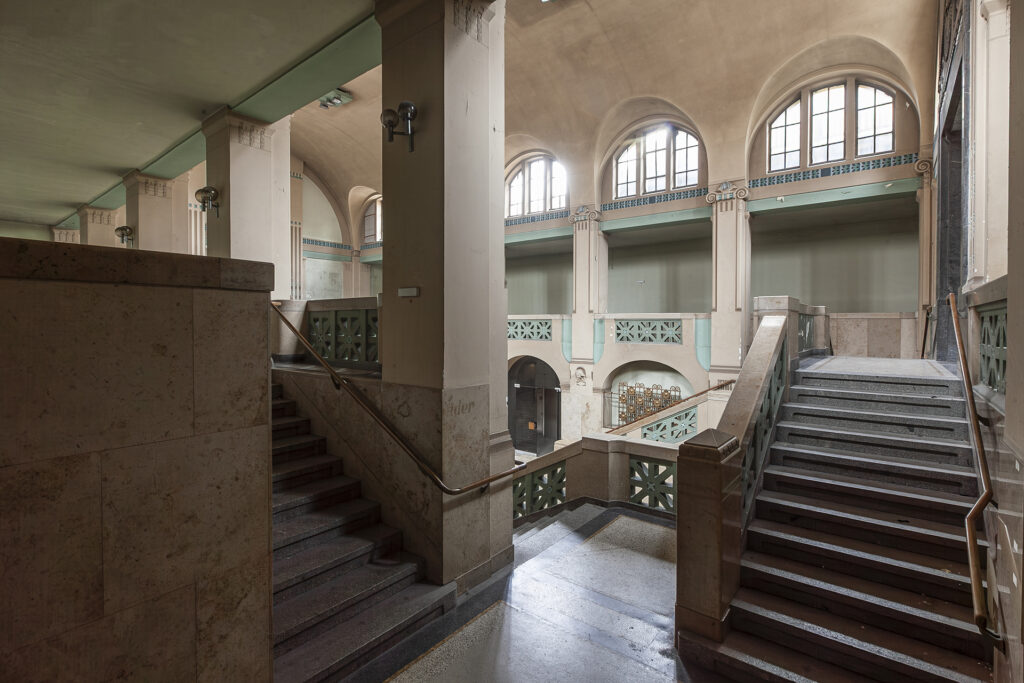
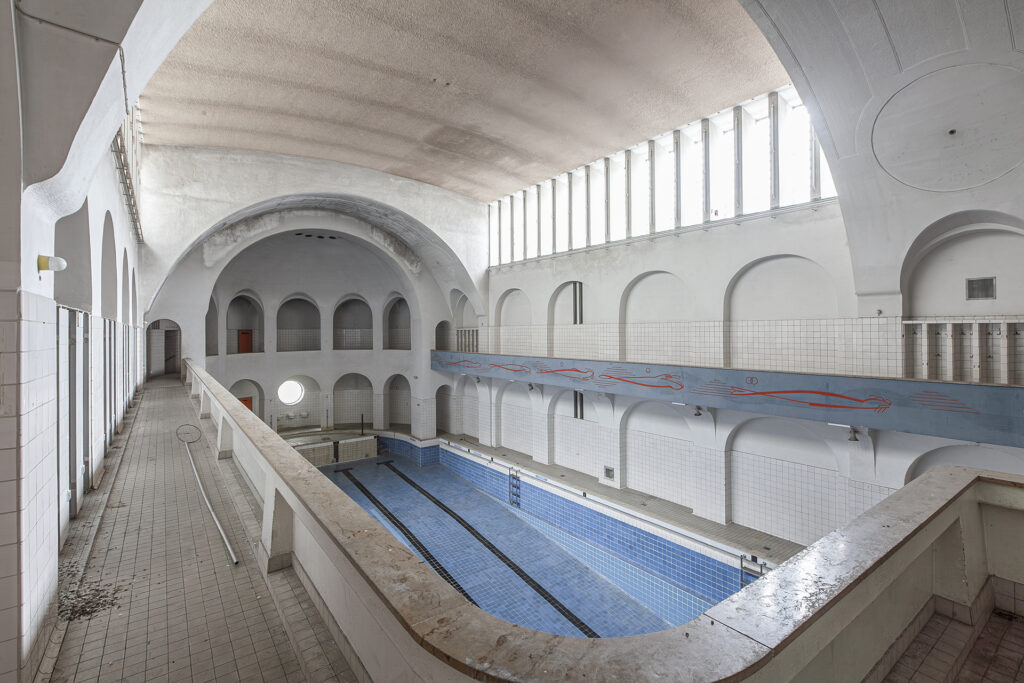
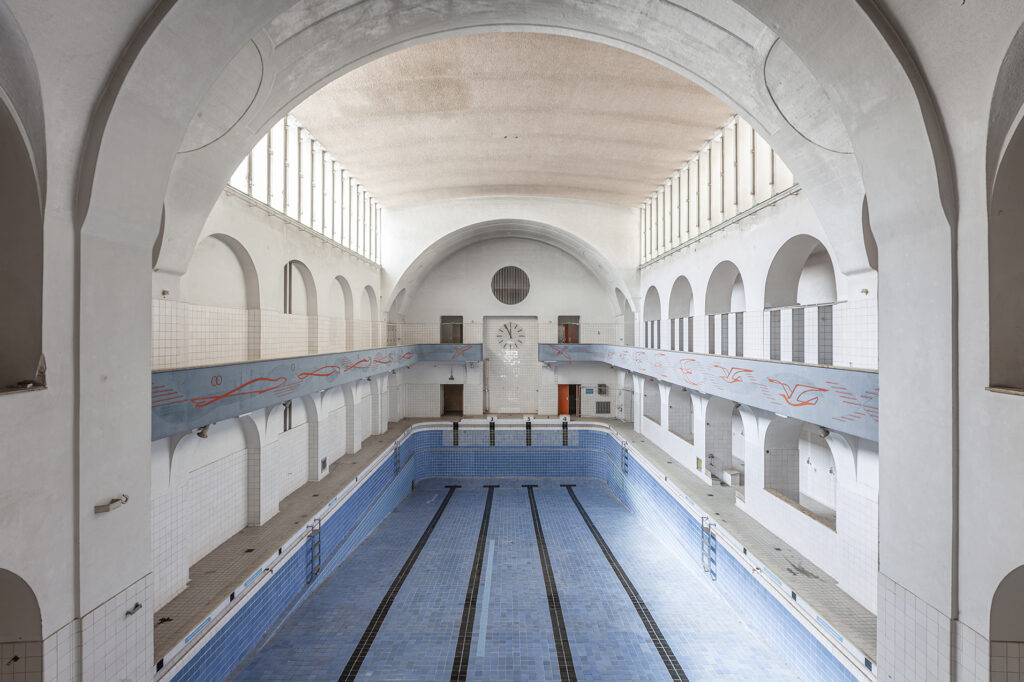
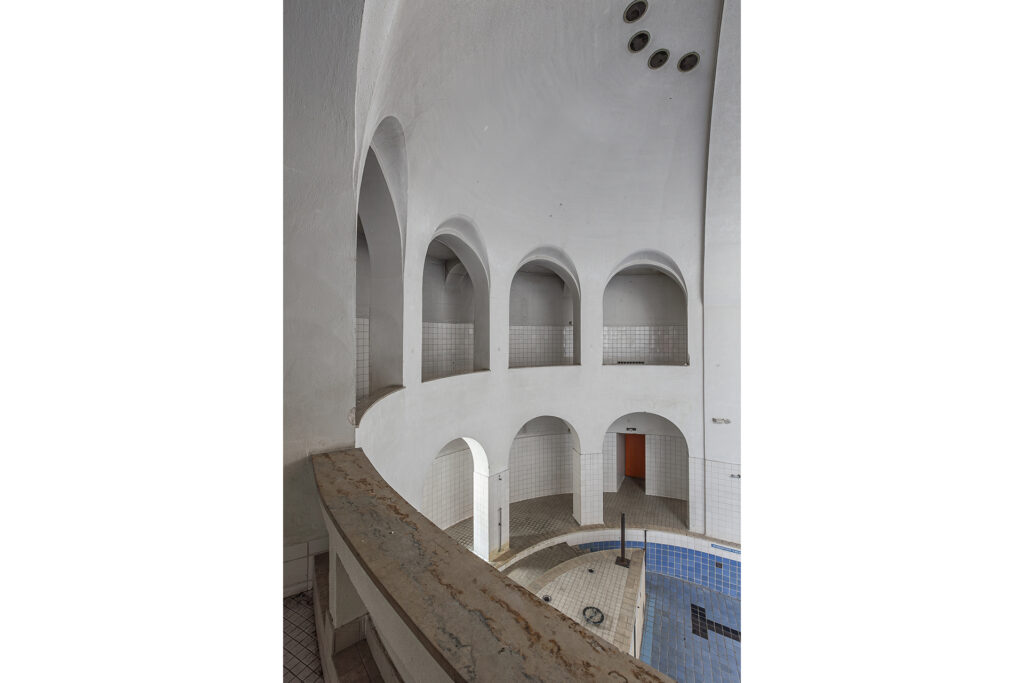
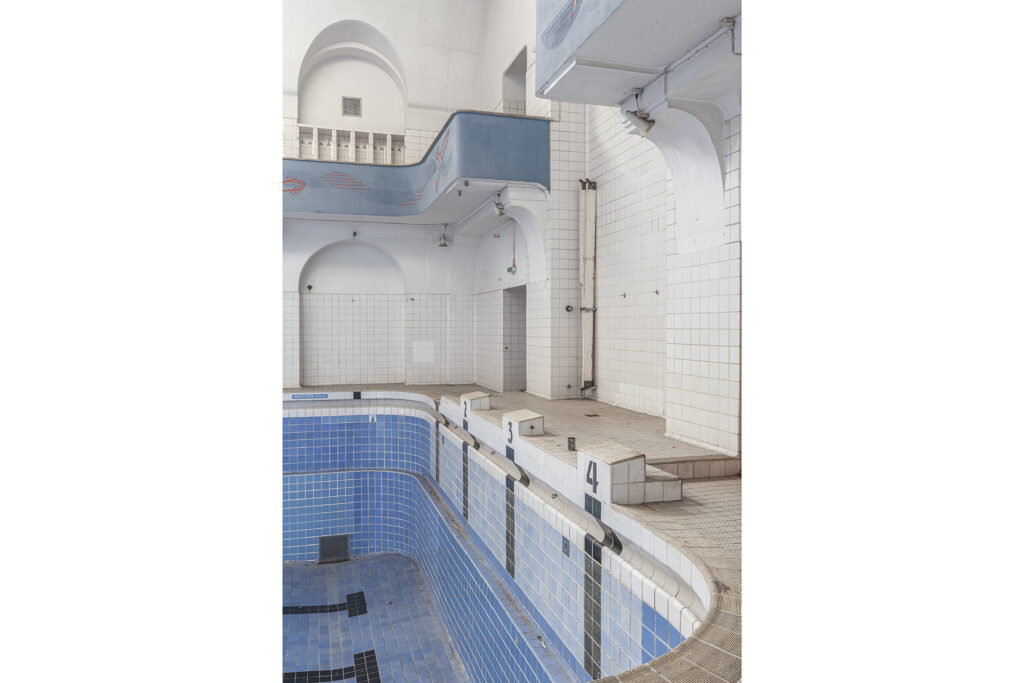
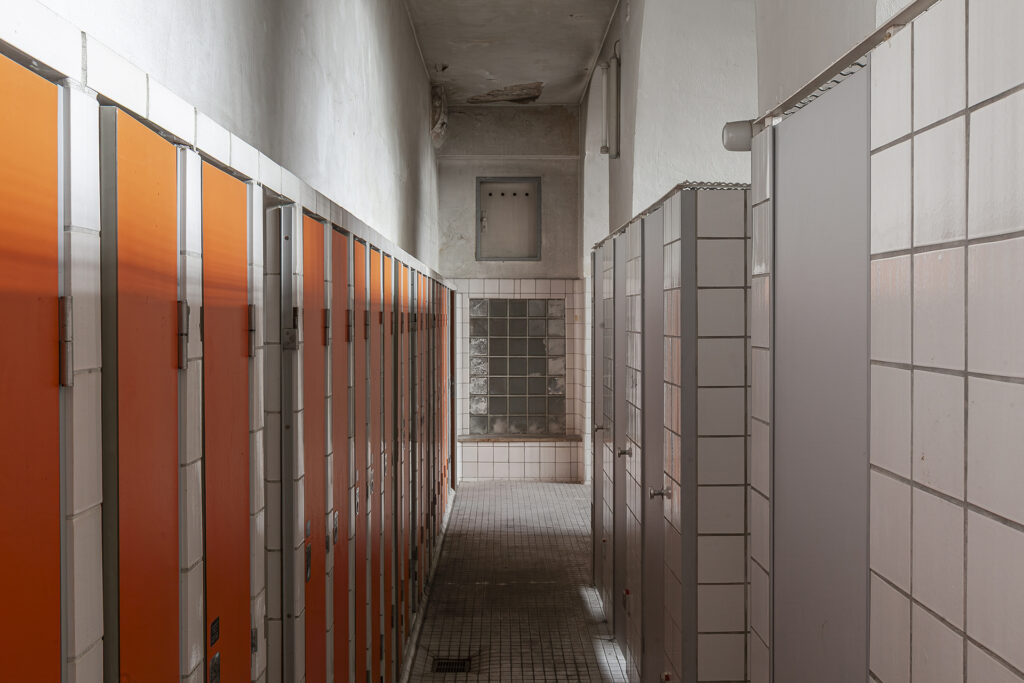
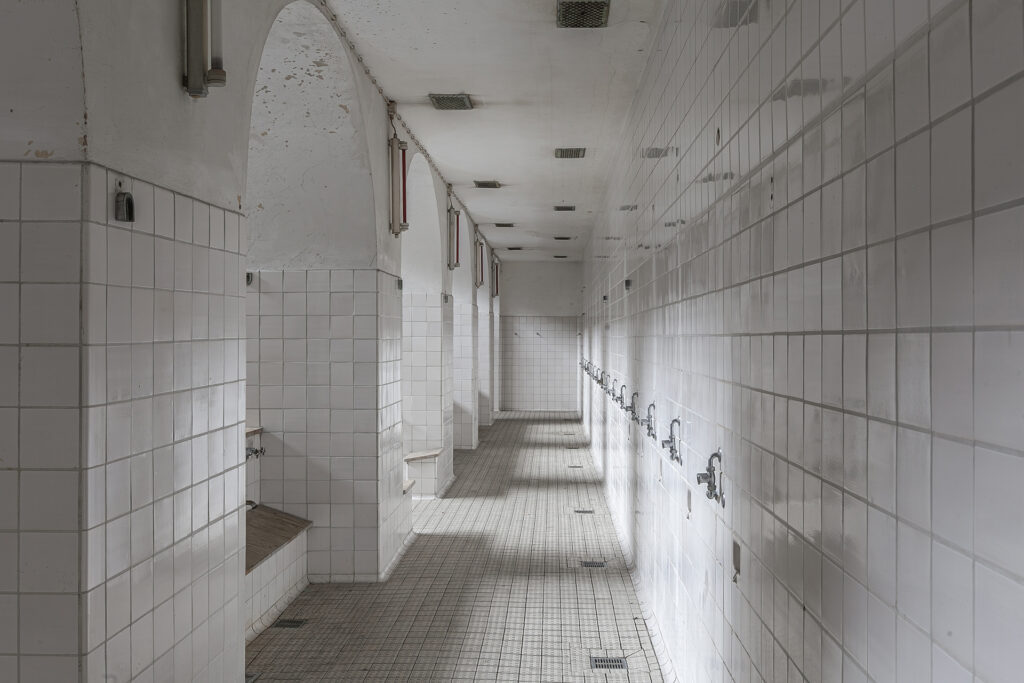
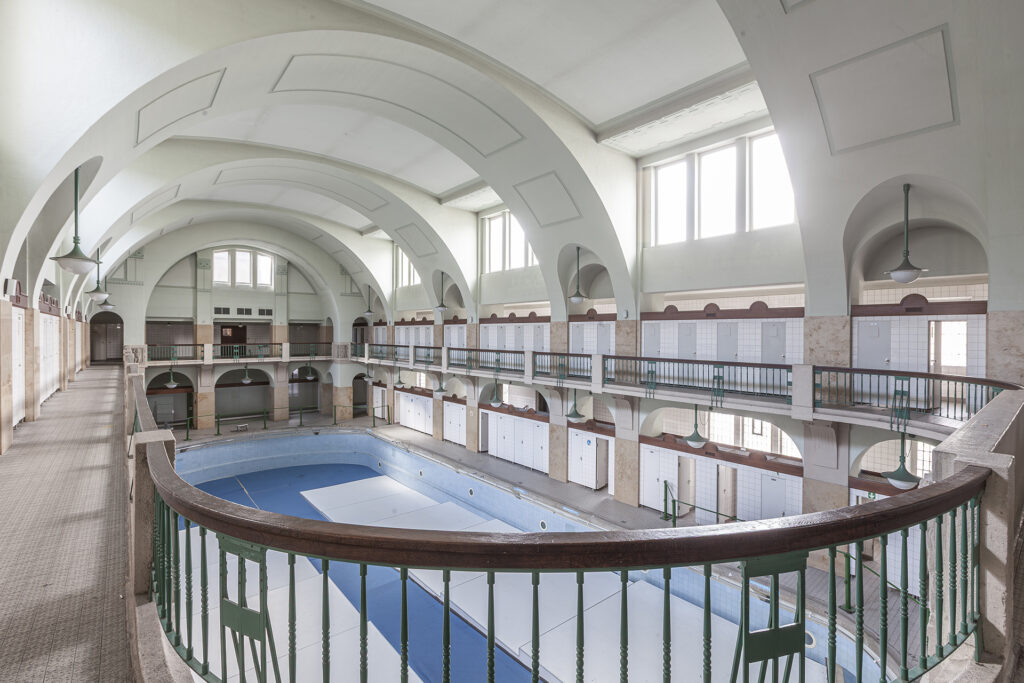
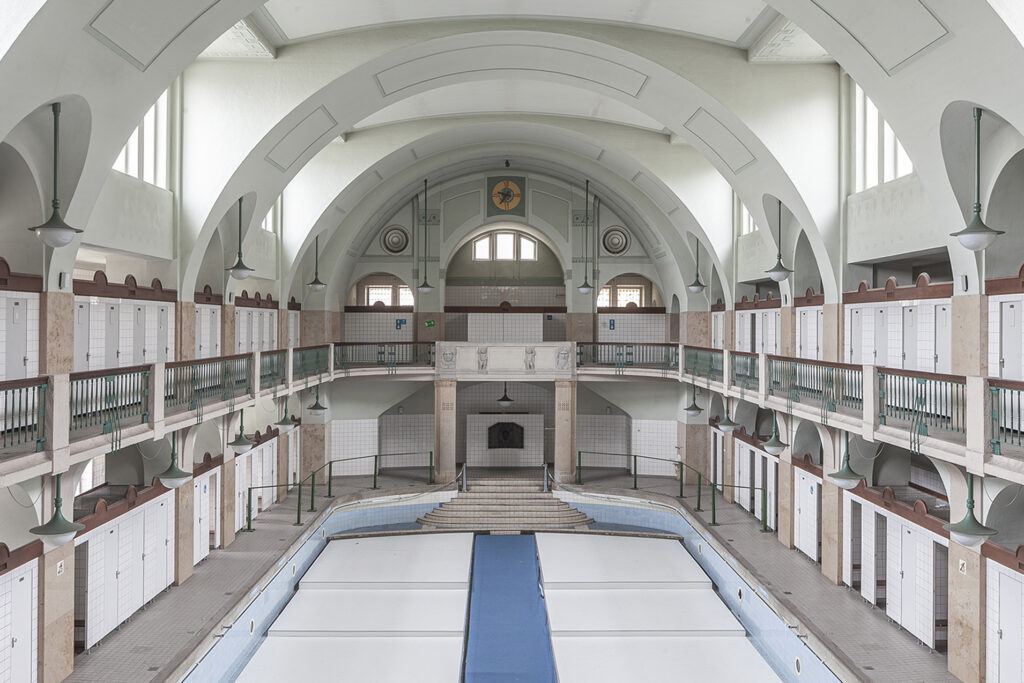
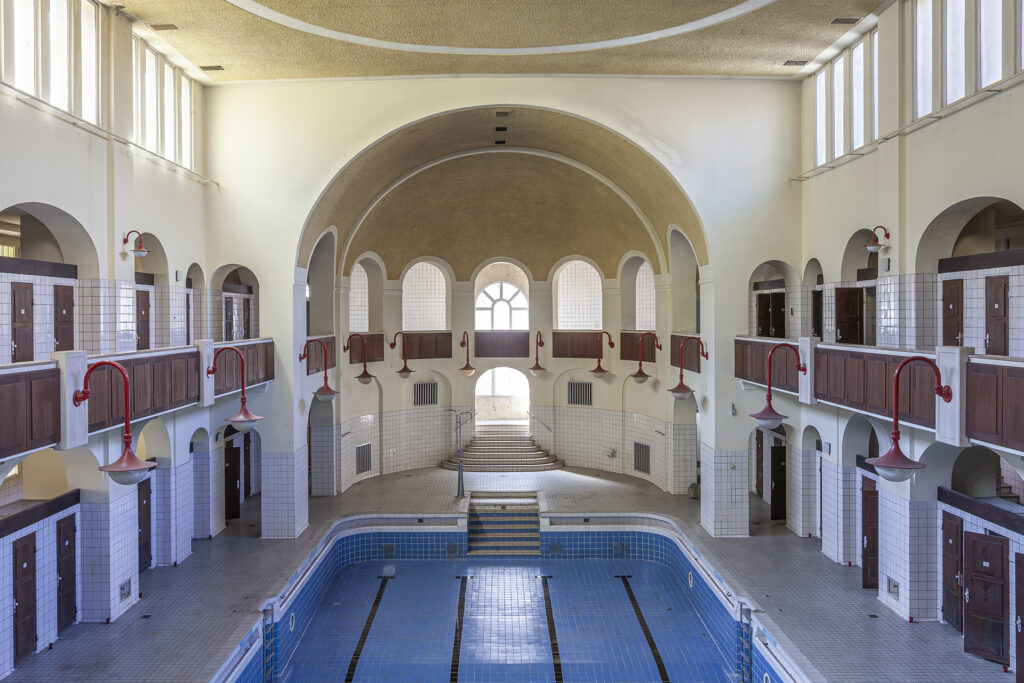
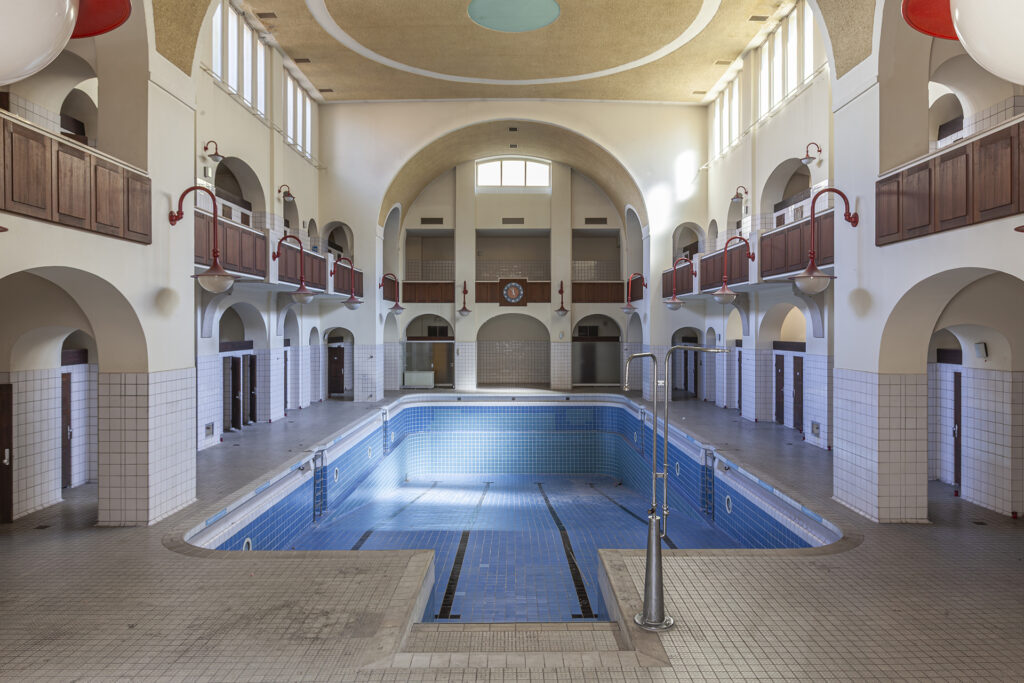
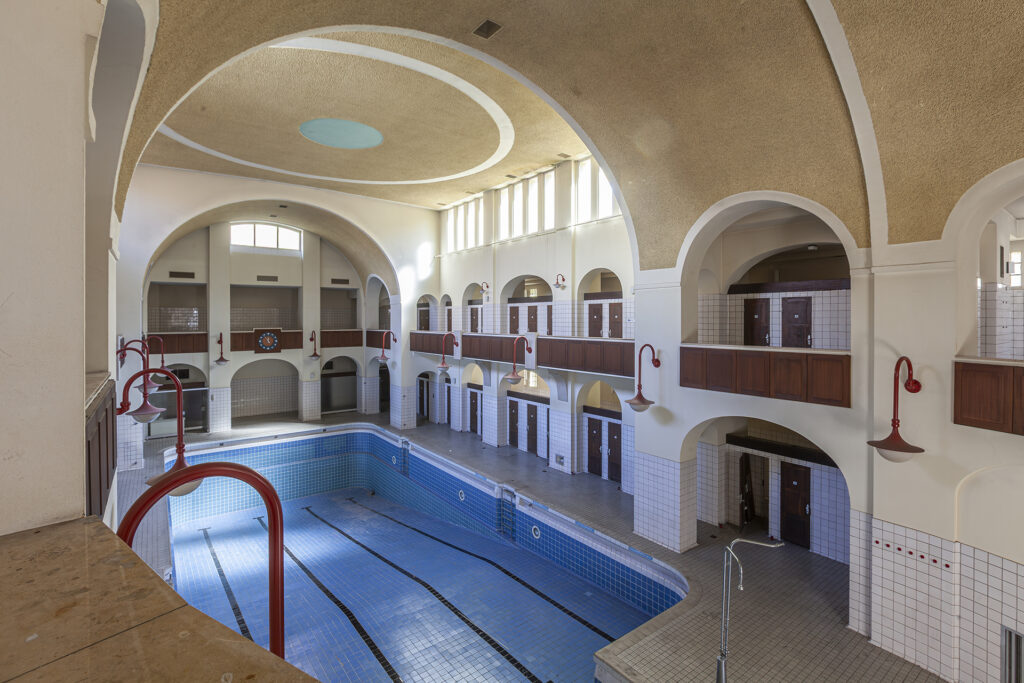
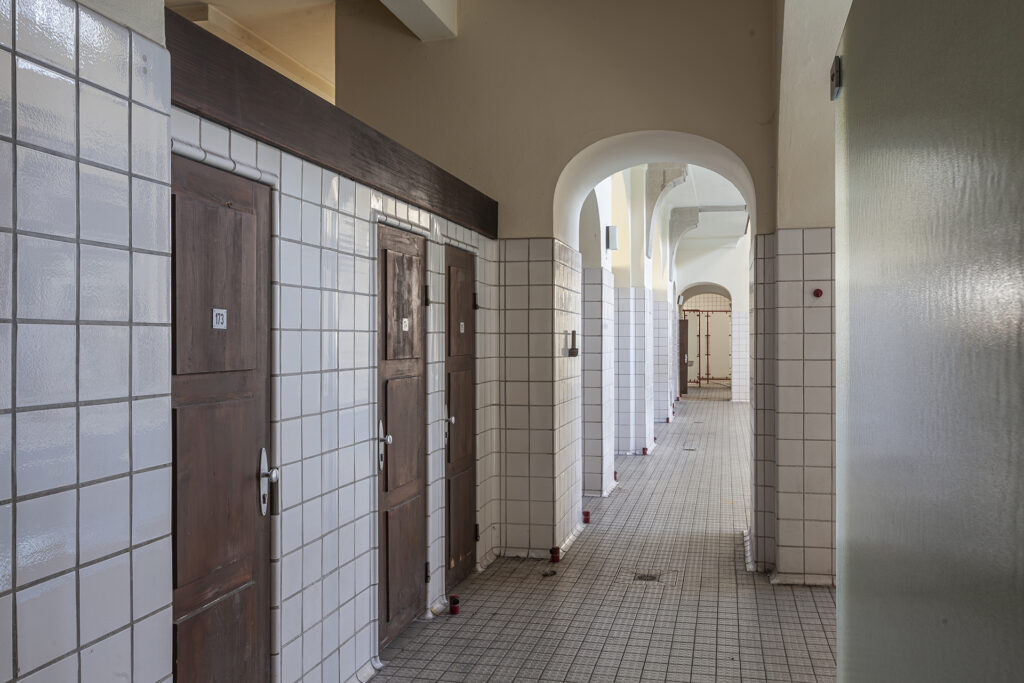
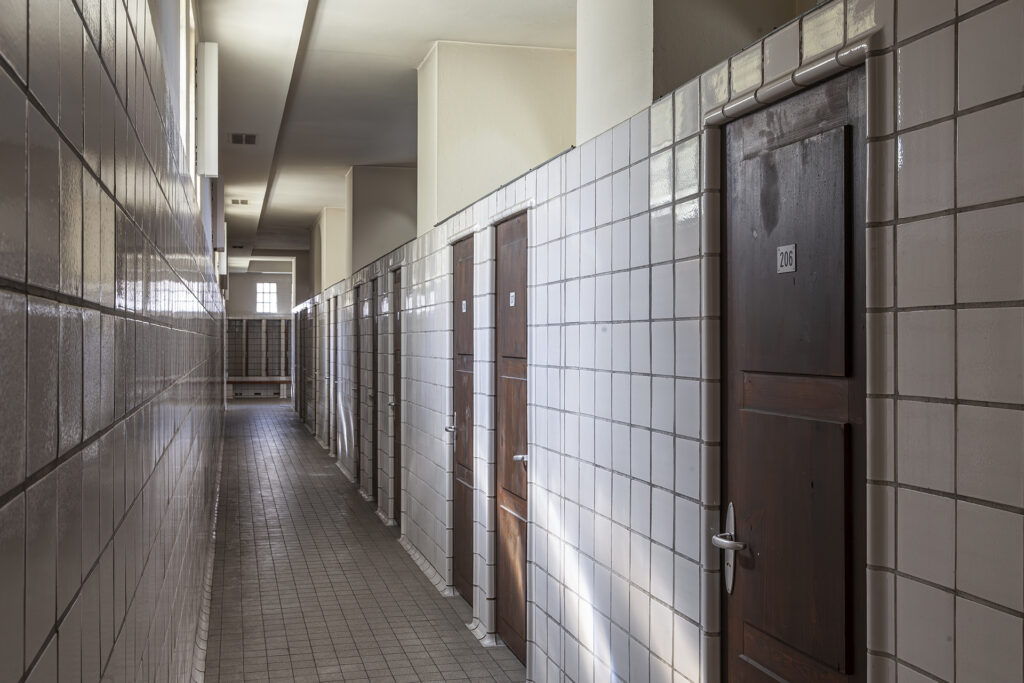
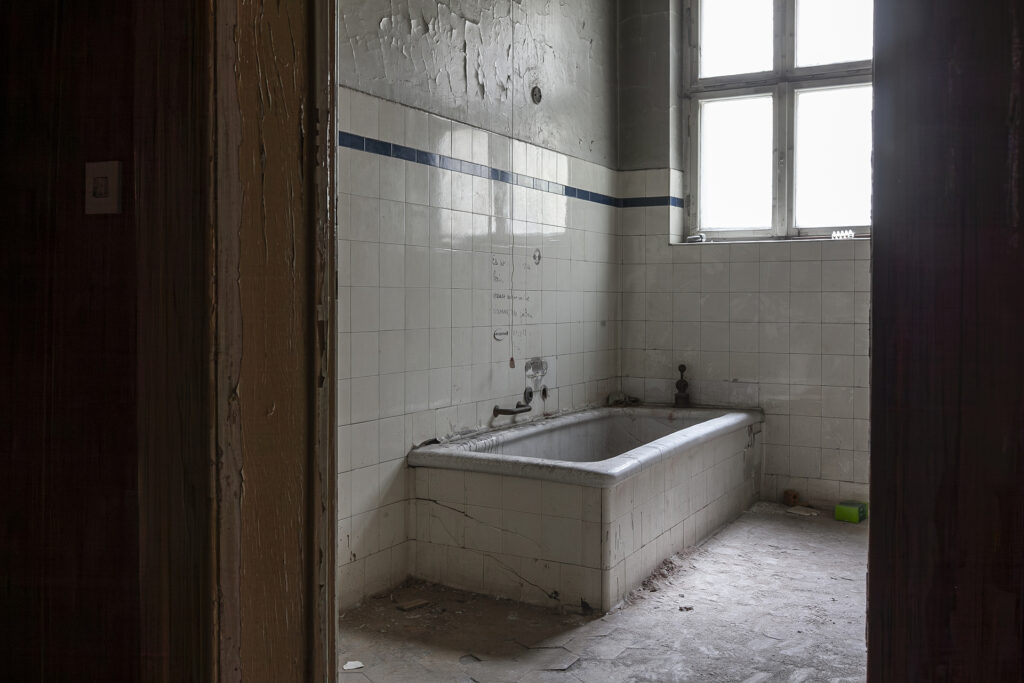
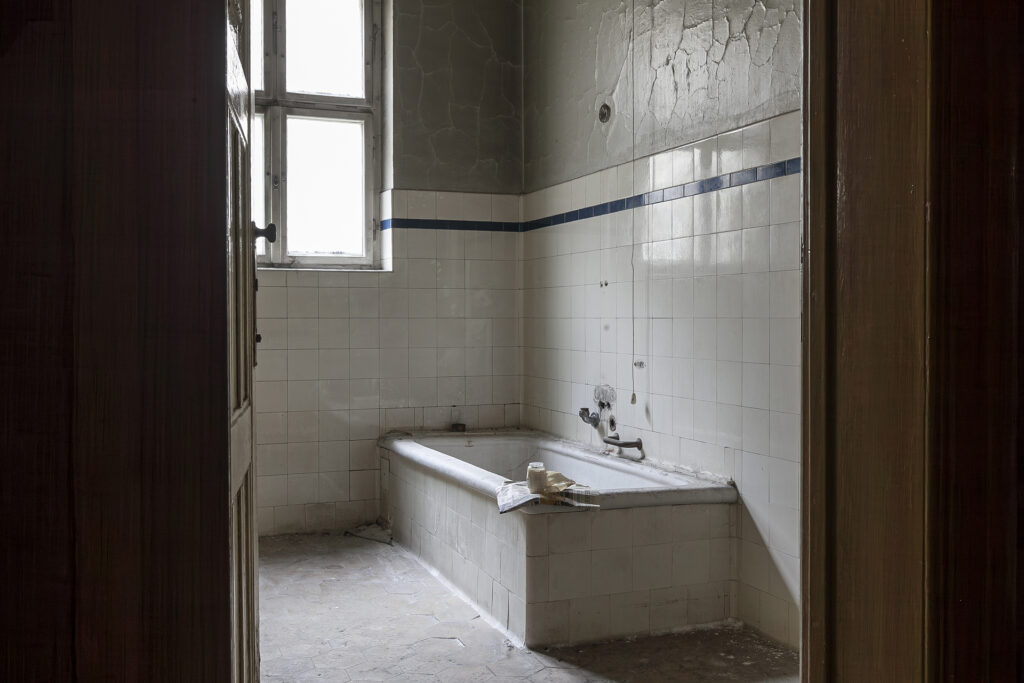
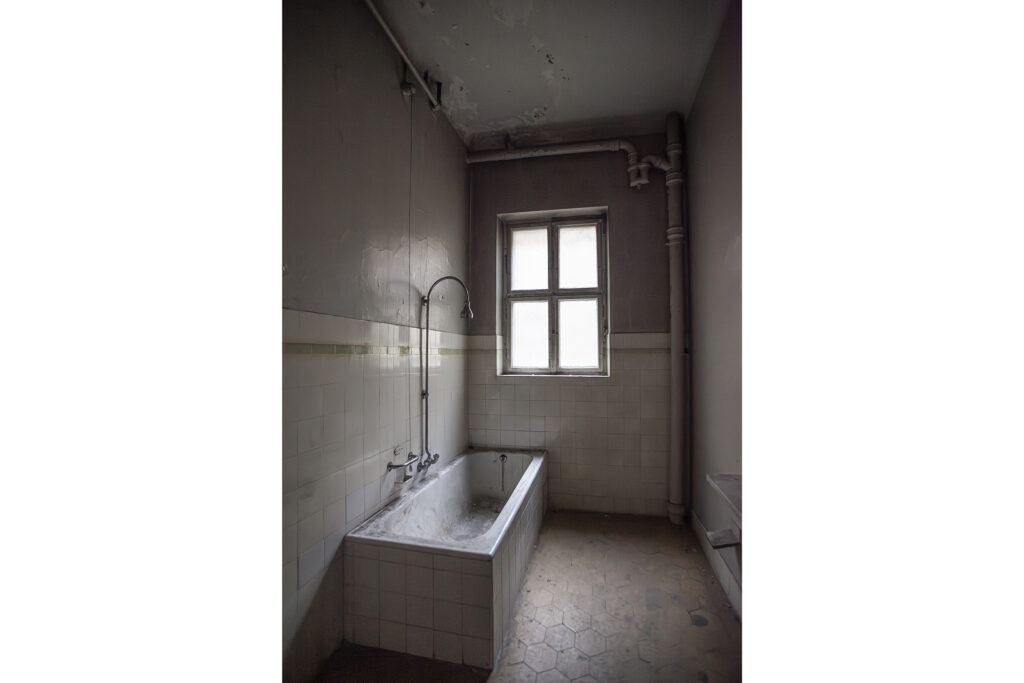
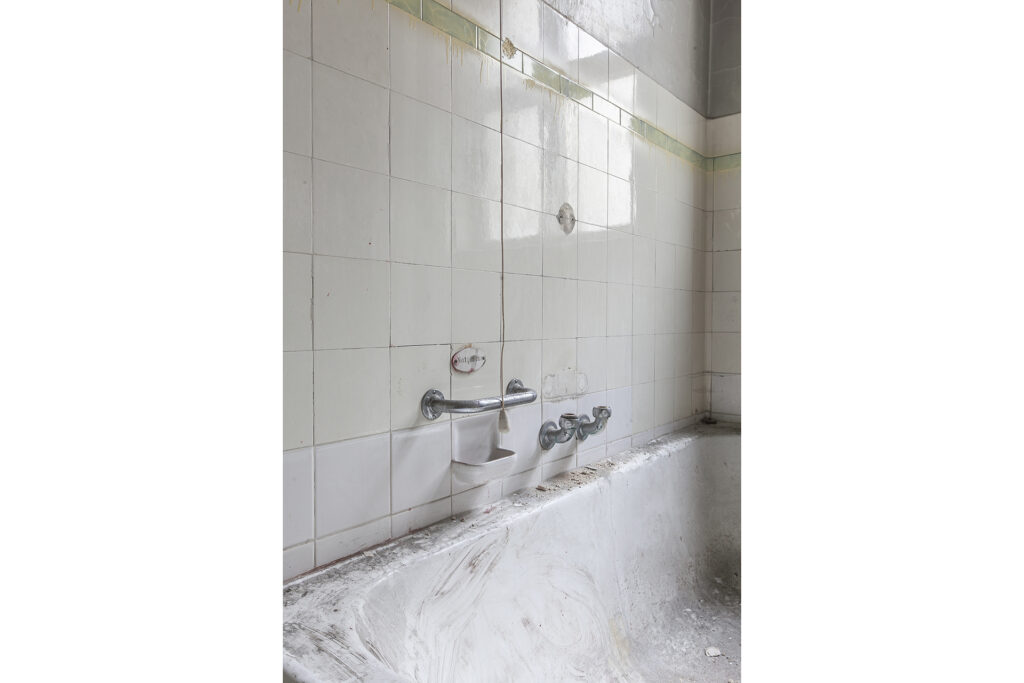
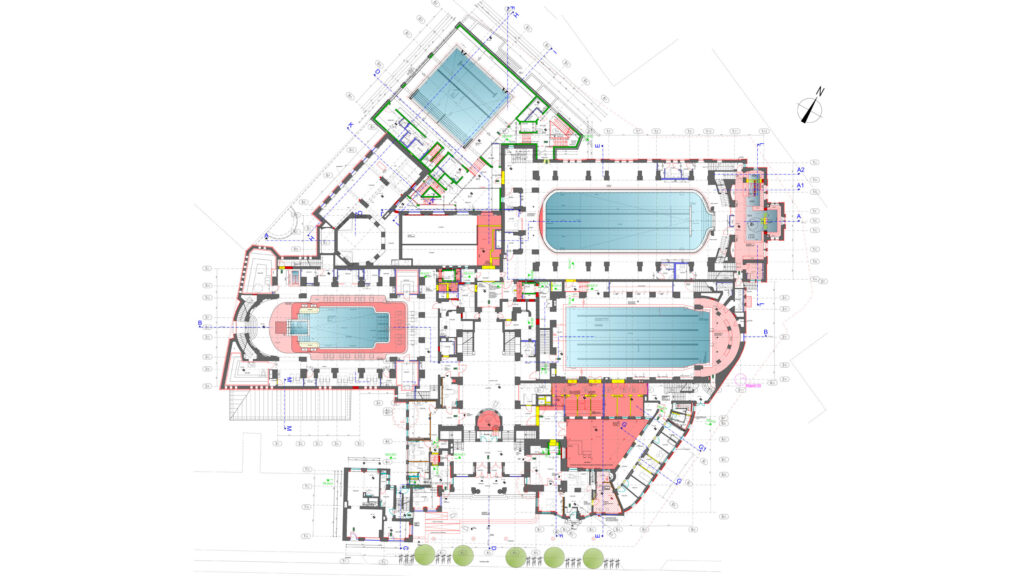
With construction costs of around 1.8 million marks, a “Cathedral of Bathing” opened its doors on January 2, 1914. The Volksbad offered a level of luxury that was far from ordinary for the general public at the time: three magnificent swimming halls (two for men, one for women), 66 private tub baths, a steam bath, a laundry, and even its own dog bath. The architecture referenced Roman thermal baths and combined state-of-the-art reinforced concrete technology with intricate Art Nouveau details.
War Damage and the Simplicity of the Post-War Era
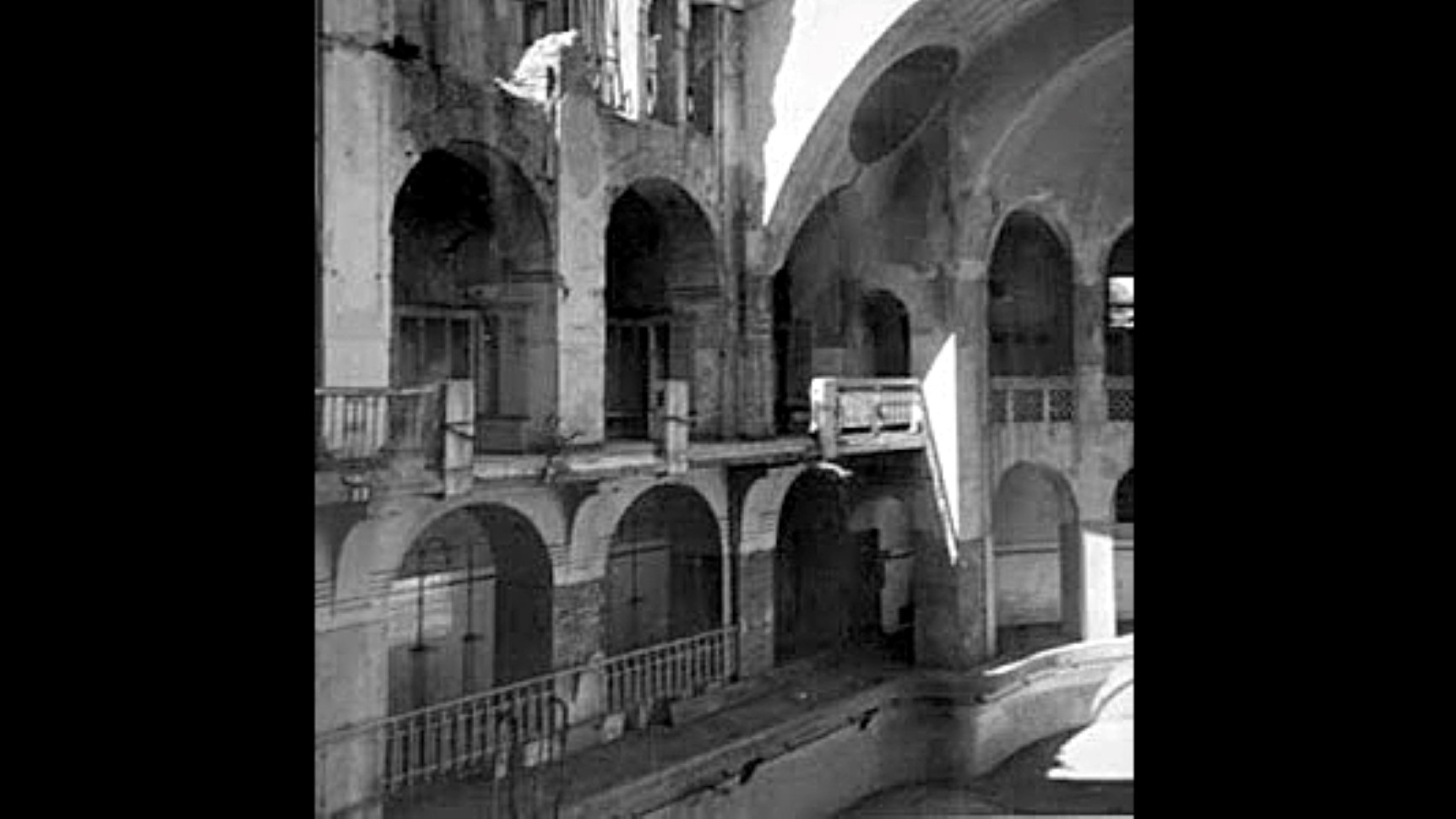
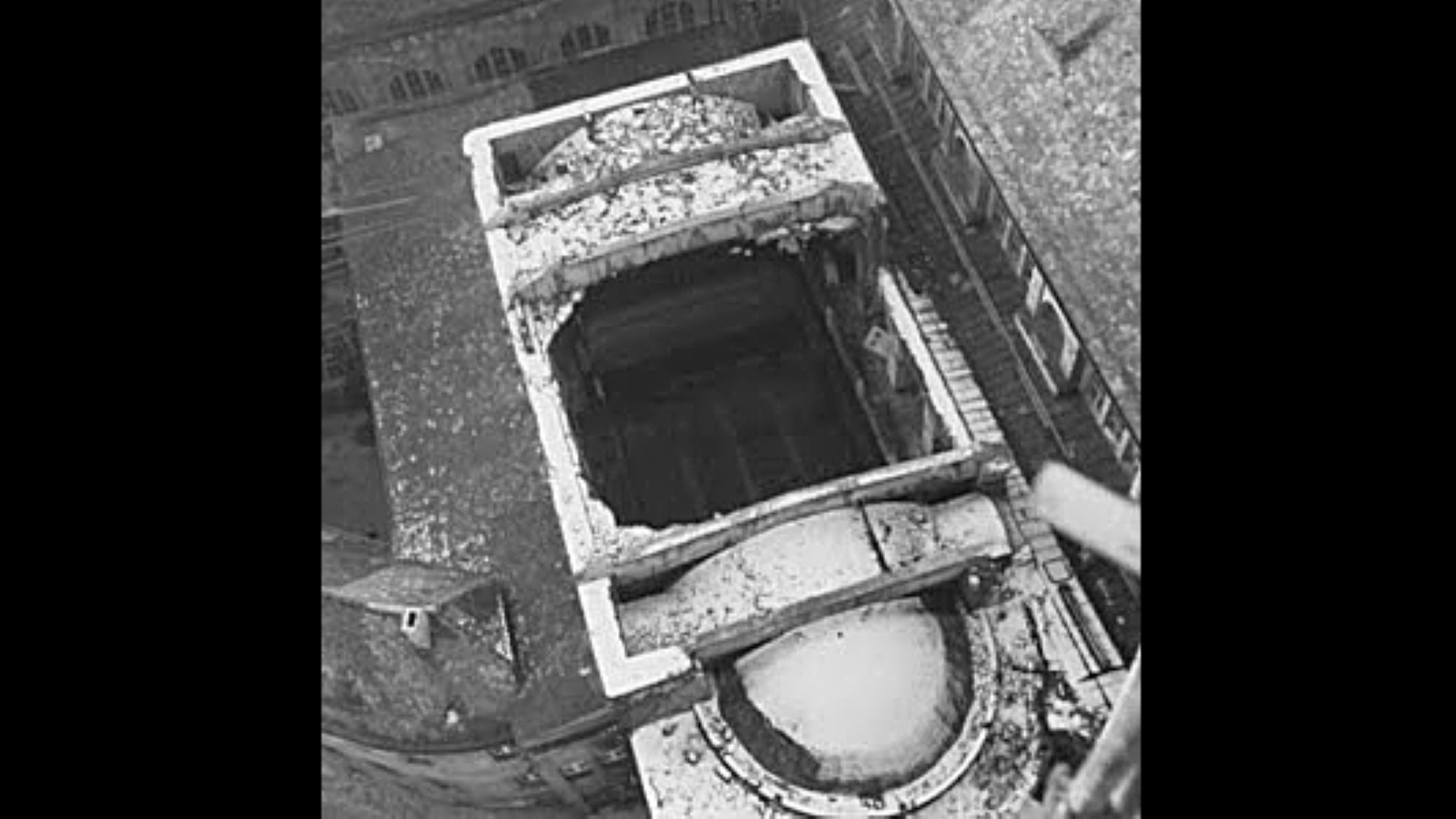
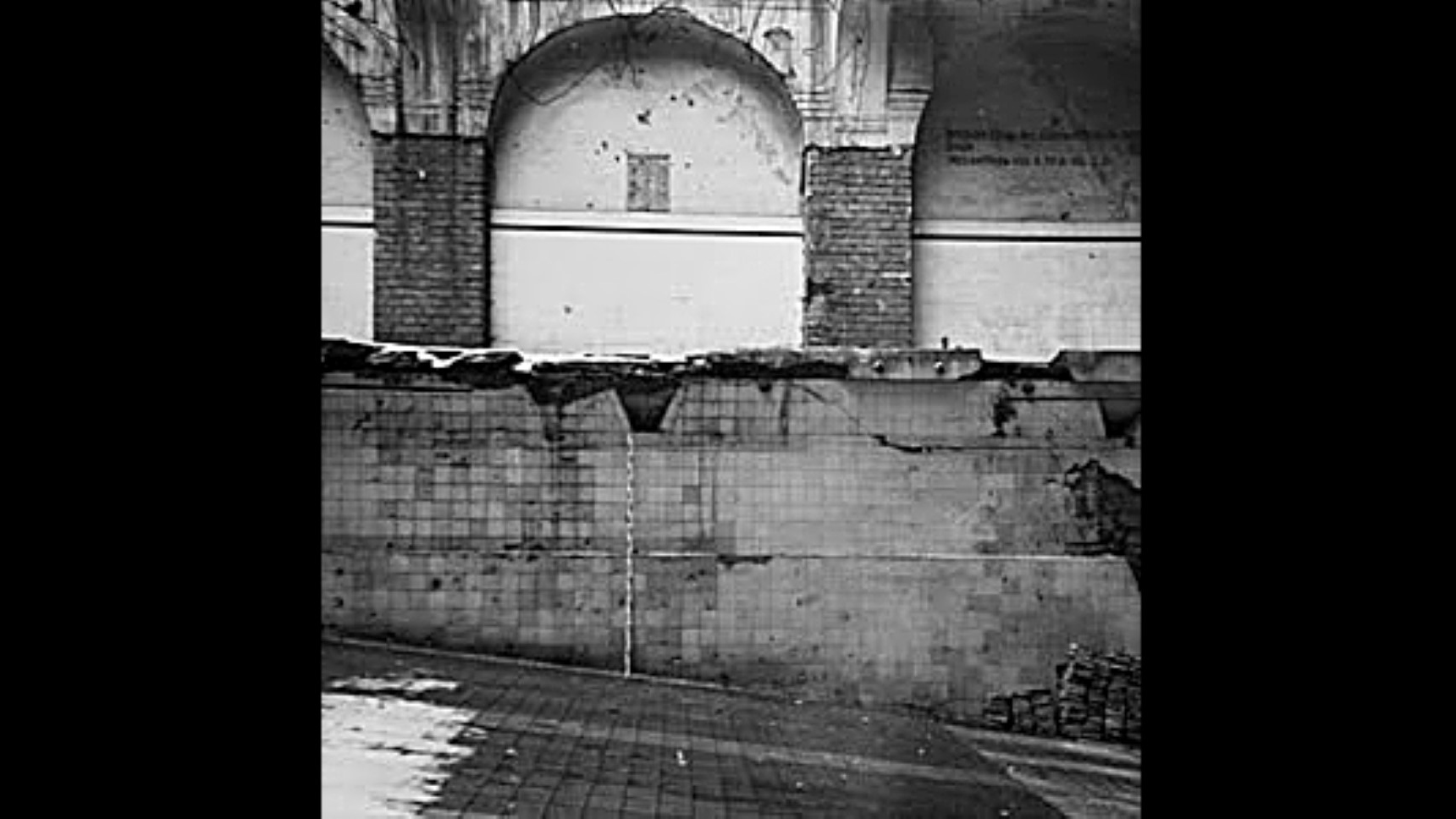
World War II marked the most painful turning point in the building’s history. During the air raids on Nuremberg, the bath was hit by a total of six direct bomb strikes and was approximately 70 percent destroyed.
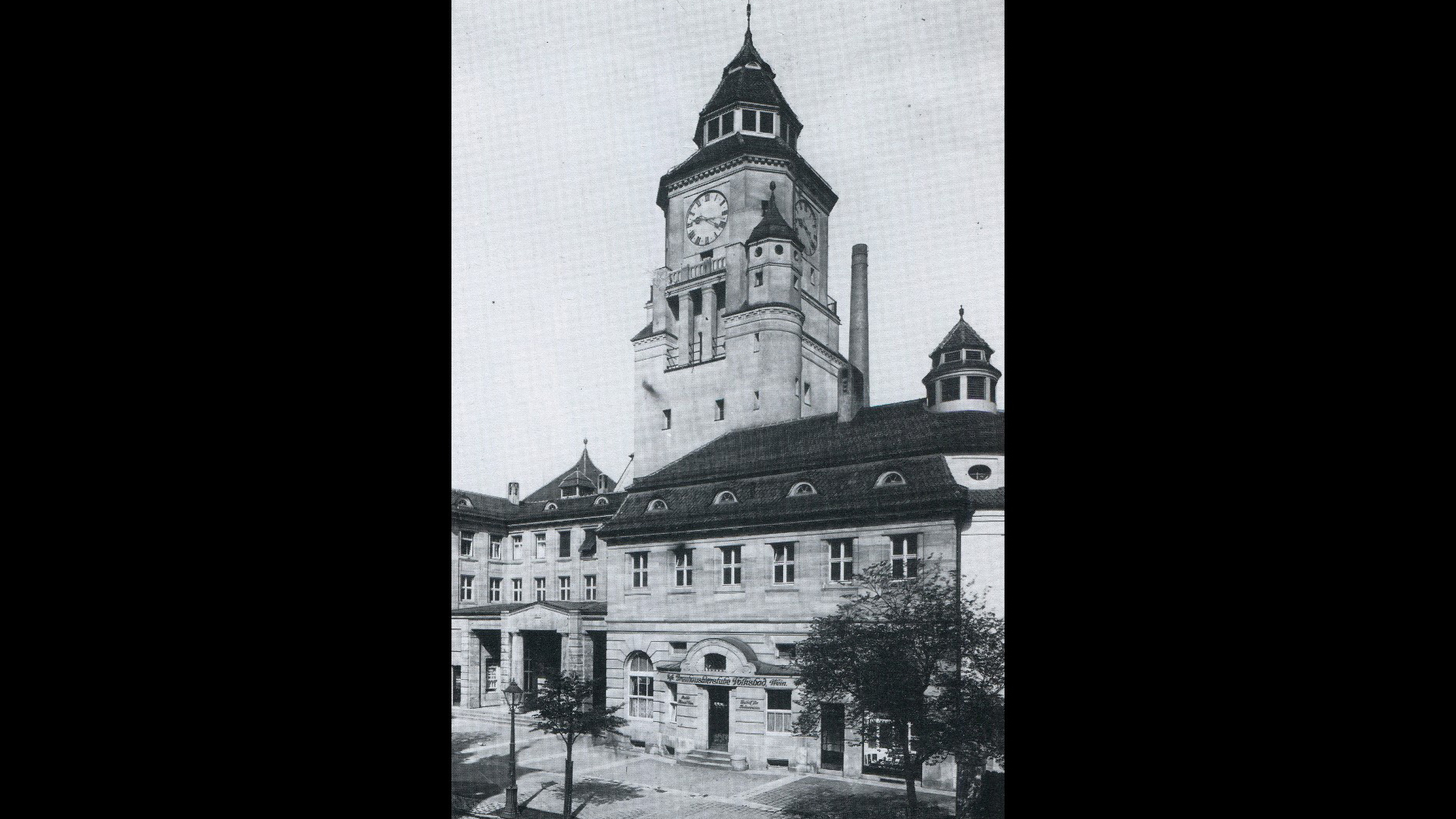
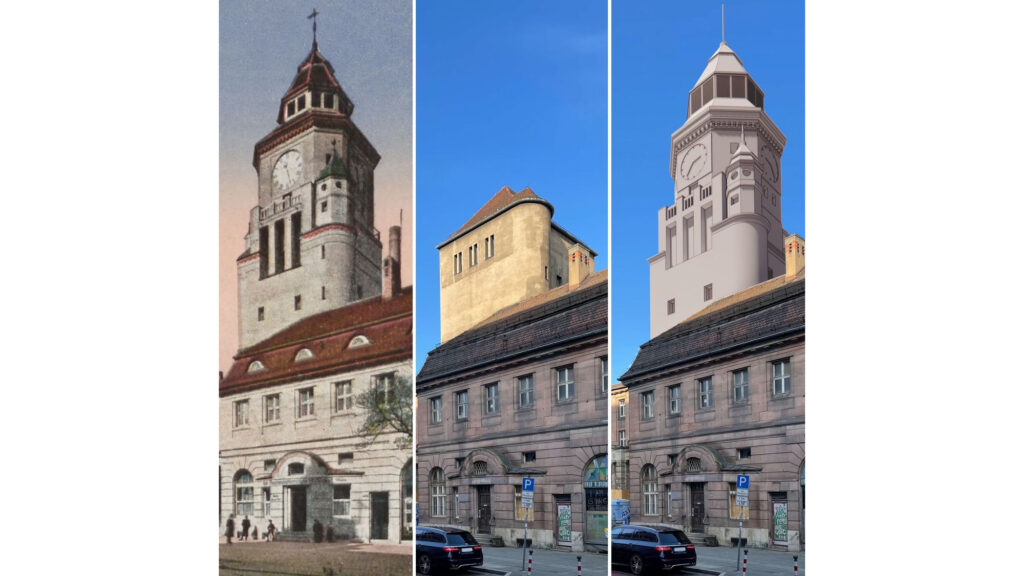
While reconstruction in the 1950s was swift, it was significantly simplified due to the post-war shortages. Many of the magnificent details on the facade and within the interiors disappeared. Particularly striking was the loss of the spire of the 38-meter-high water tower, which from then on shaped the cityscape only as a stump. Despite these simplifications, the Volksbad remained a cornerstone of Nuremberg’s society until its eventual closure.
The Great Vacancy: The Era of the “Sleeping Beauty” (1994–2015)
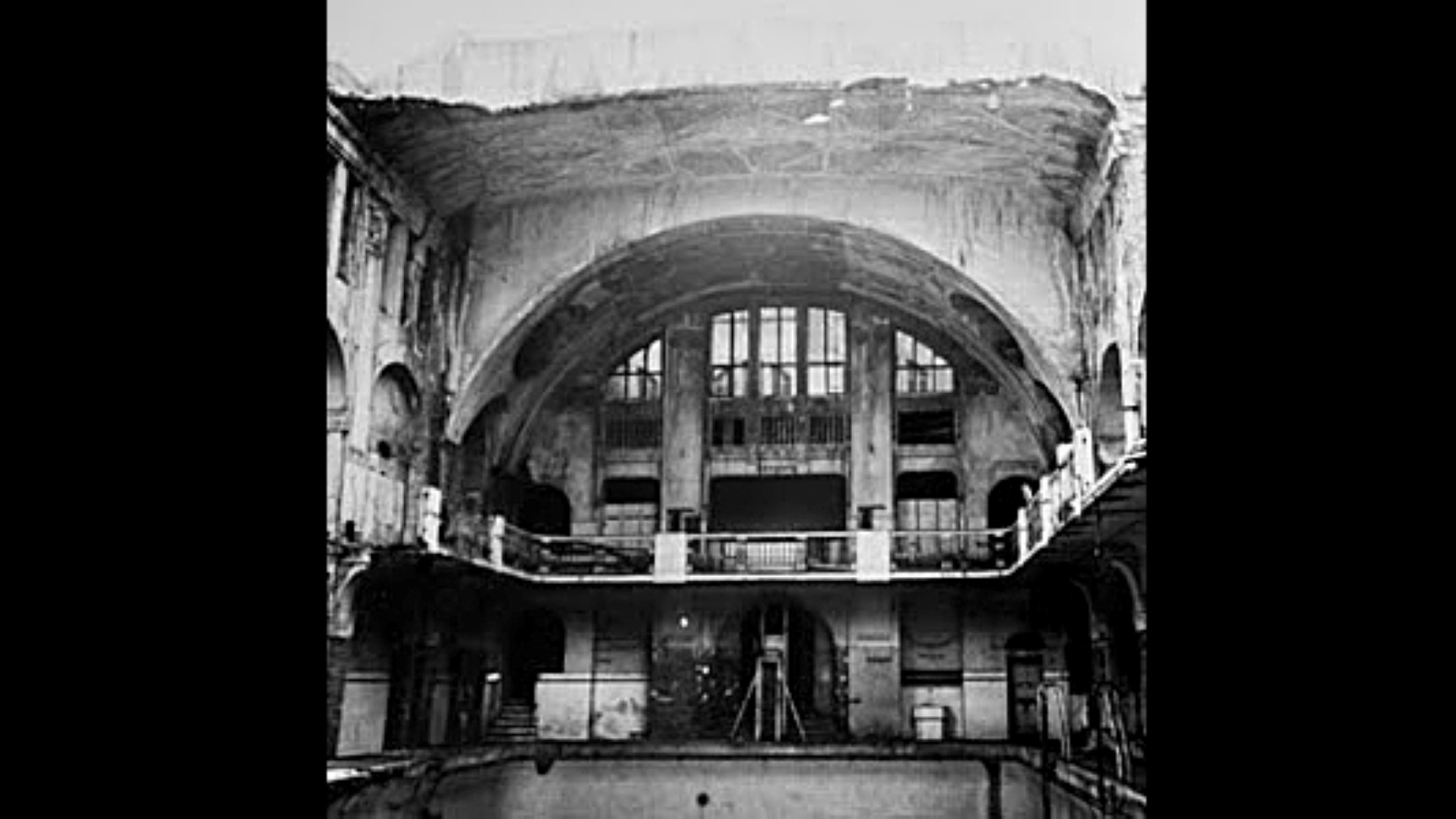
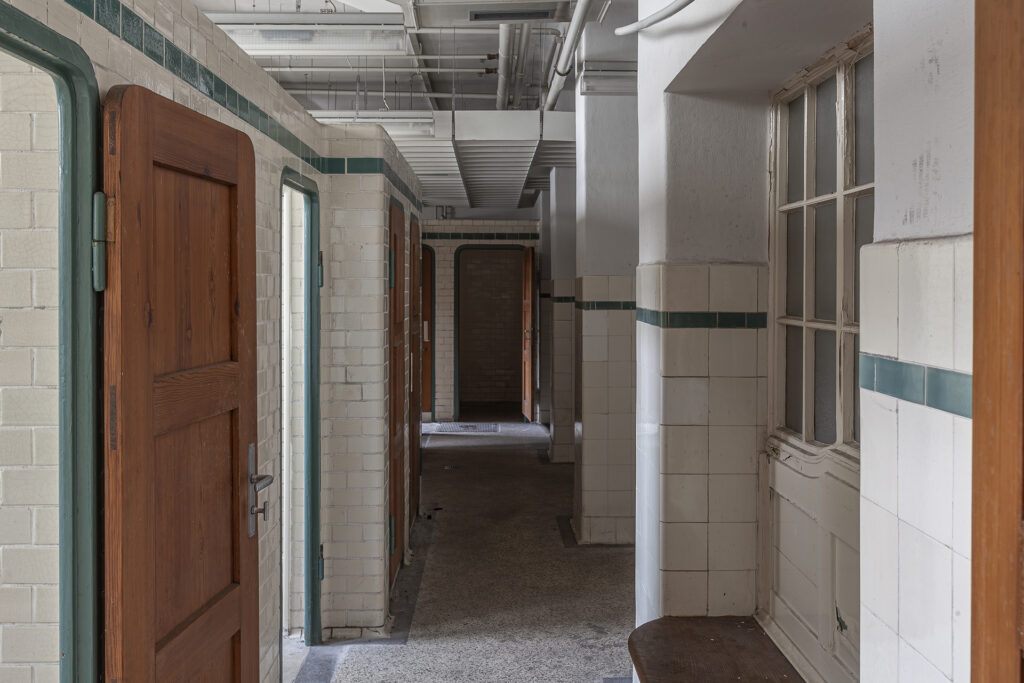
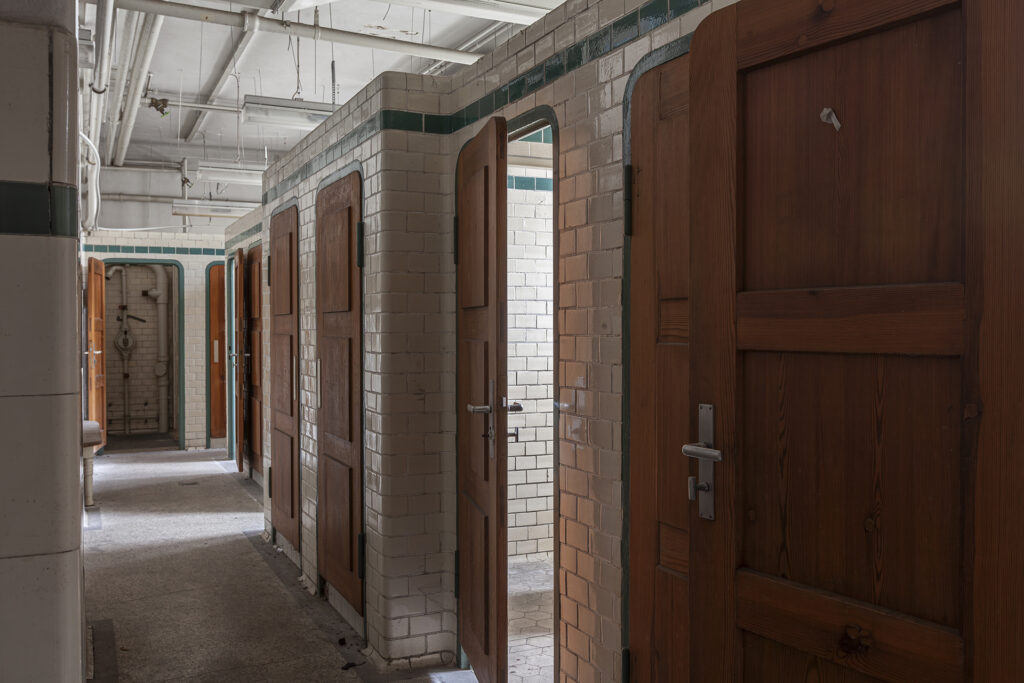
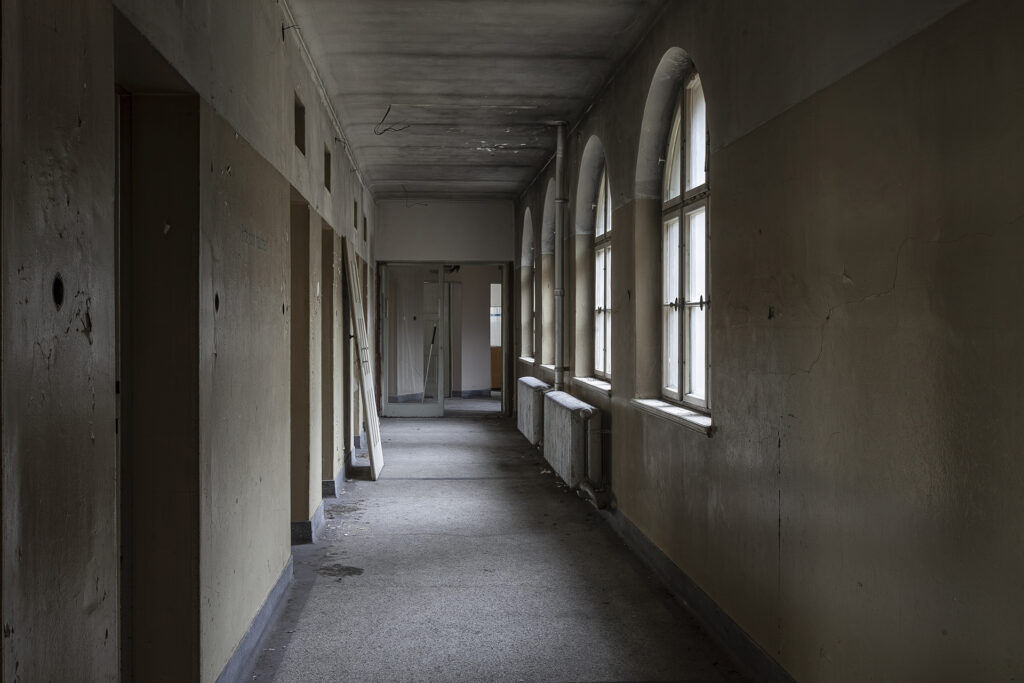
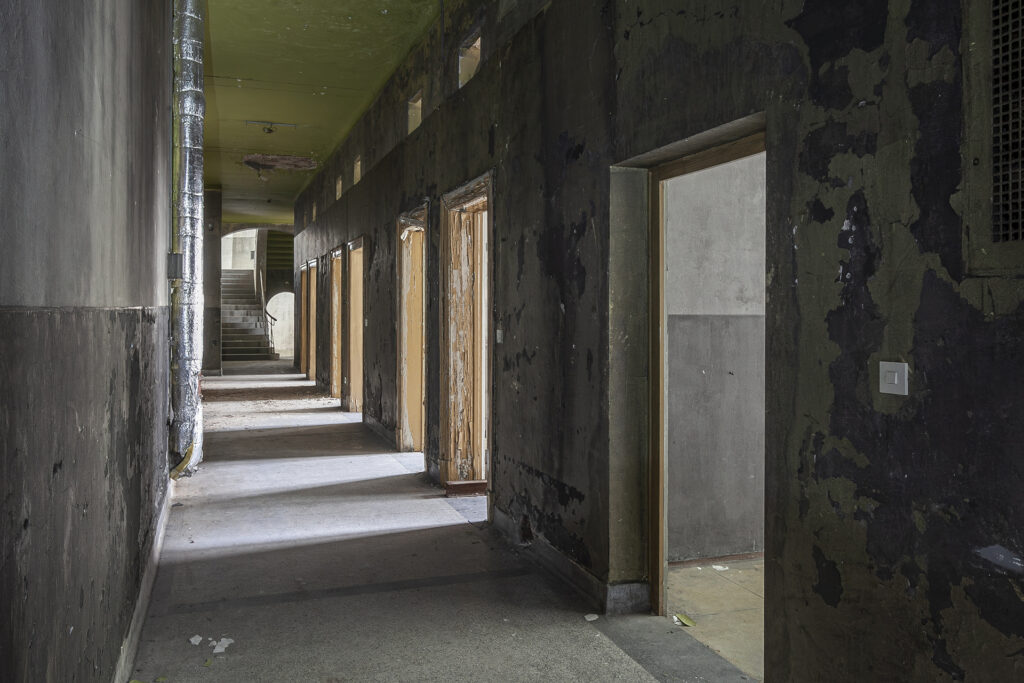
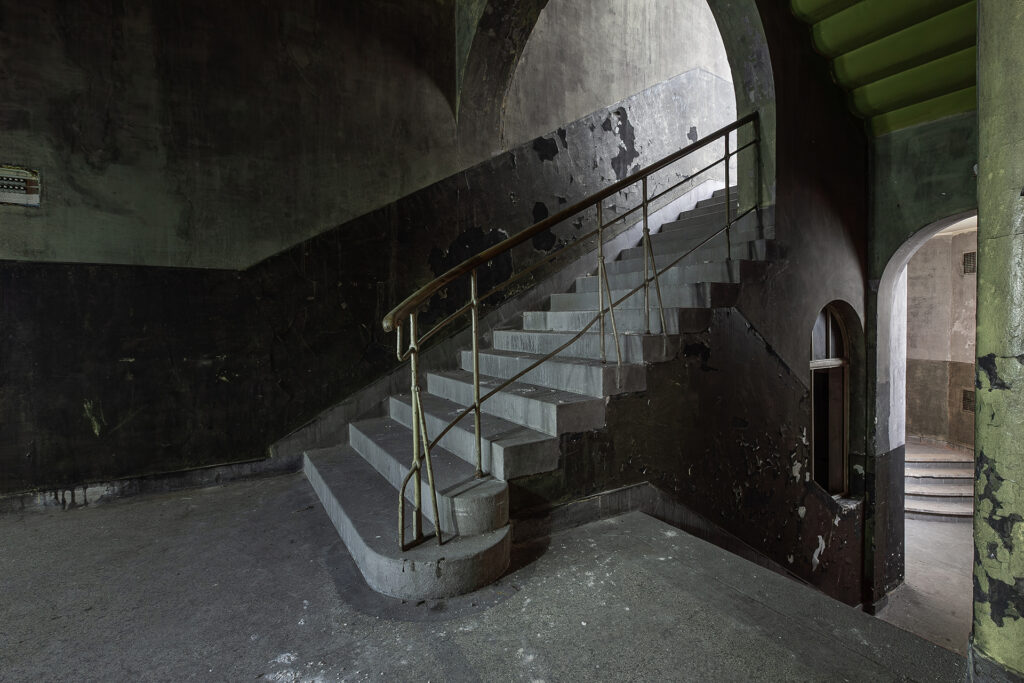
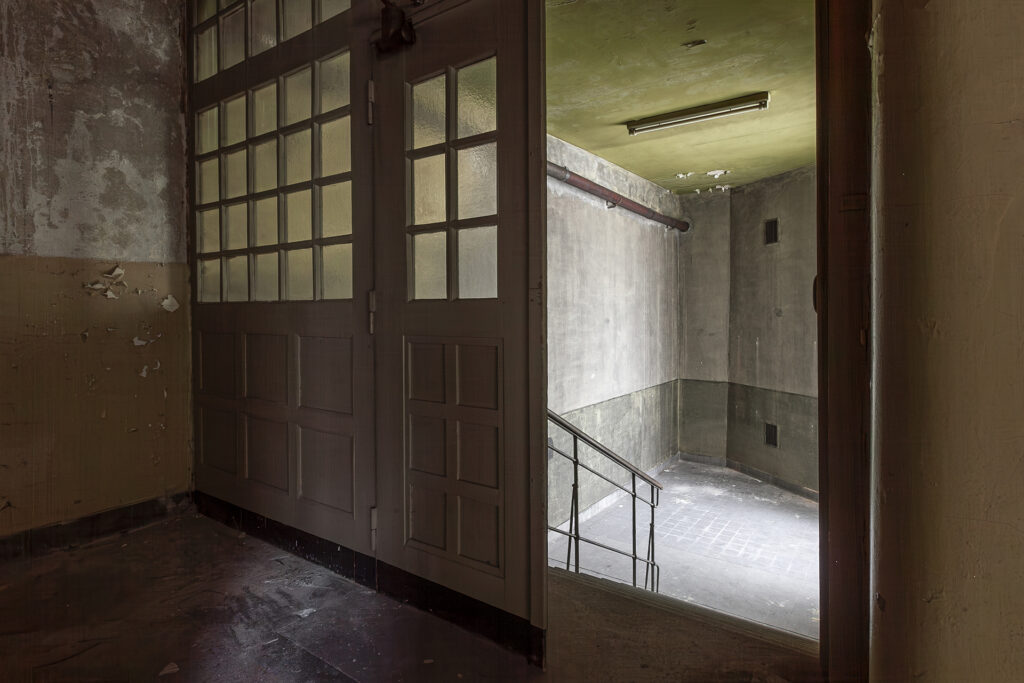
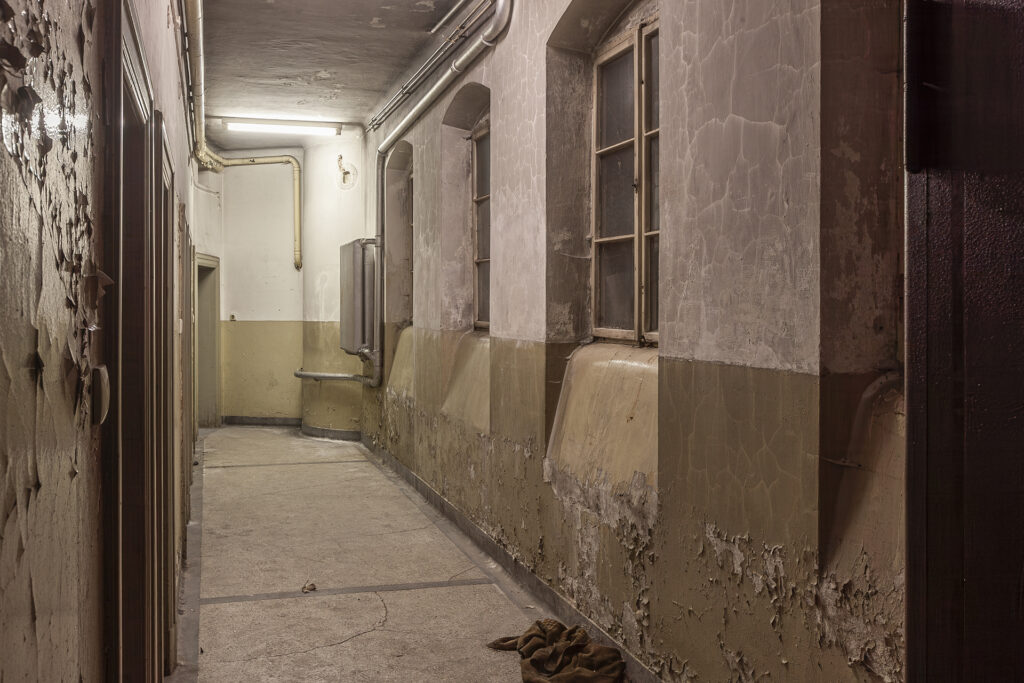
In 1994, the lights went out. Due to a lack of profitability, the bath was closed, and a decades-long “Sleeping Beauty” slumber began. During this time, the building evolved into a Europe-wide hotspot for urban explorers and photographers.
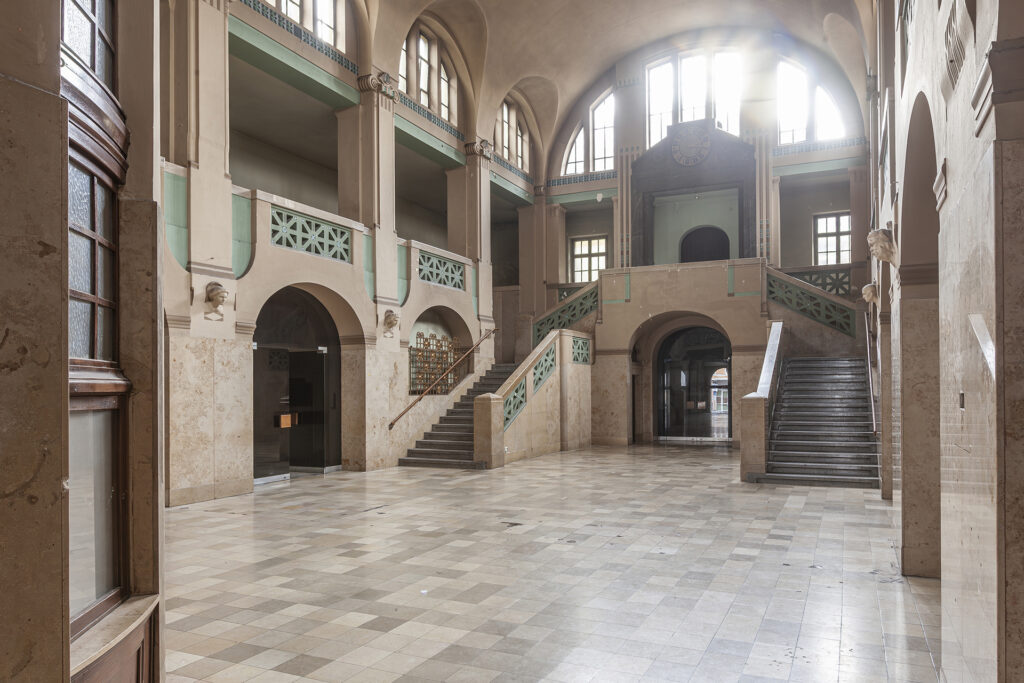
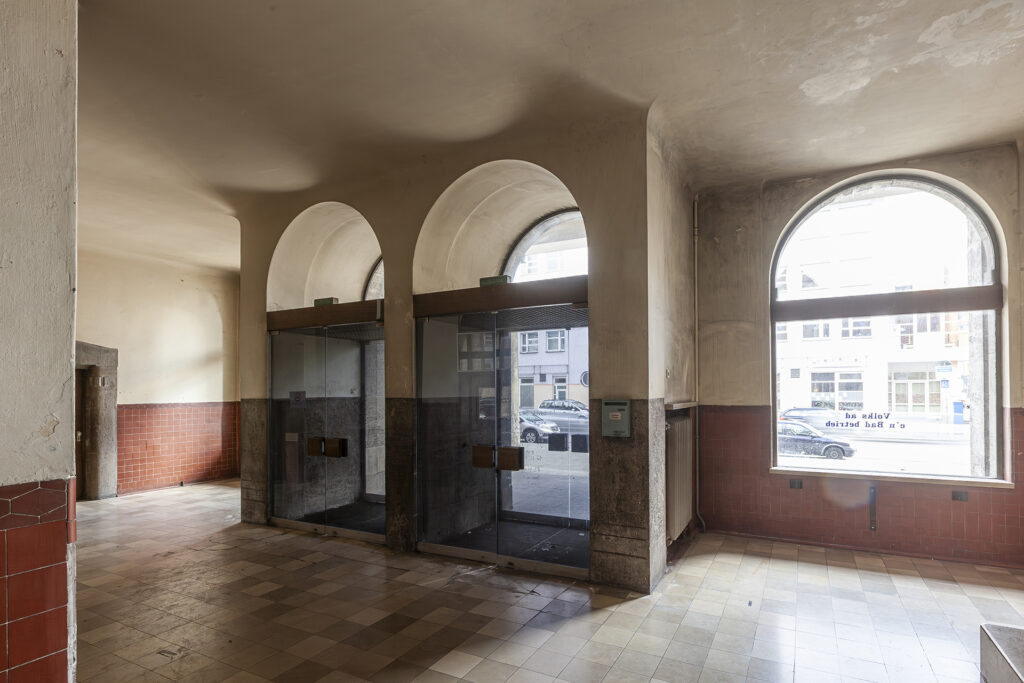
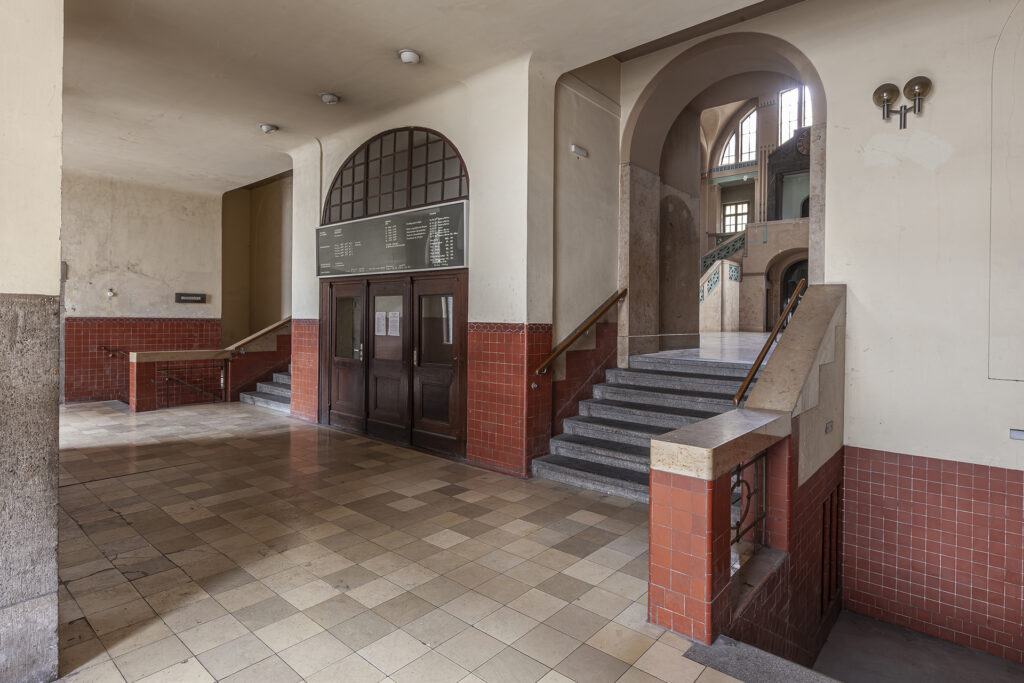
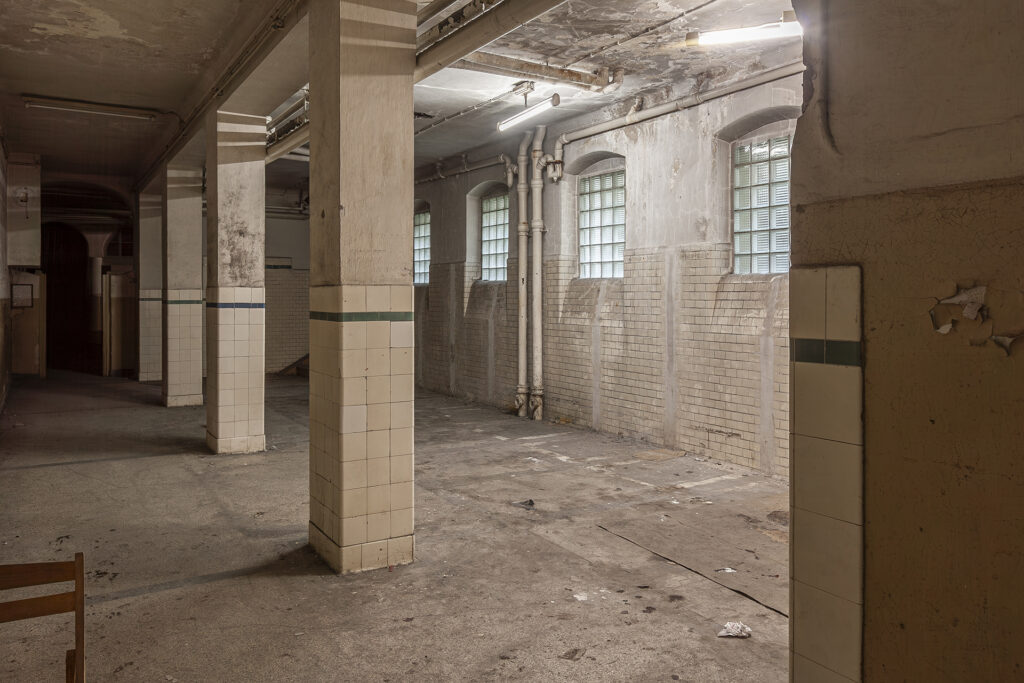
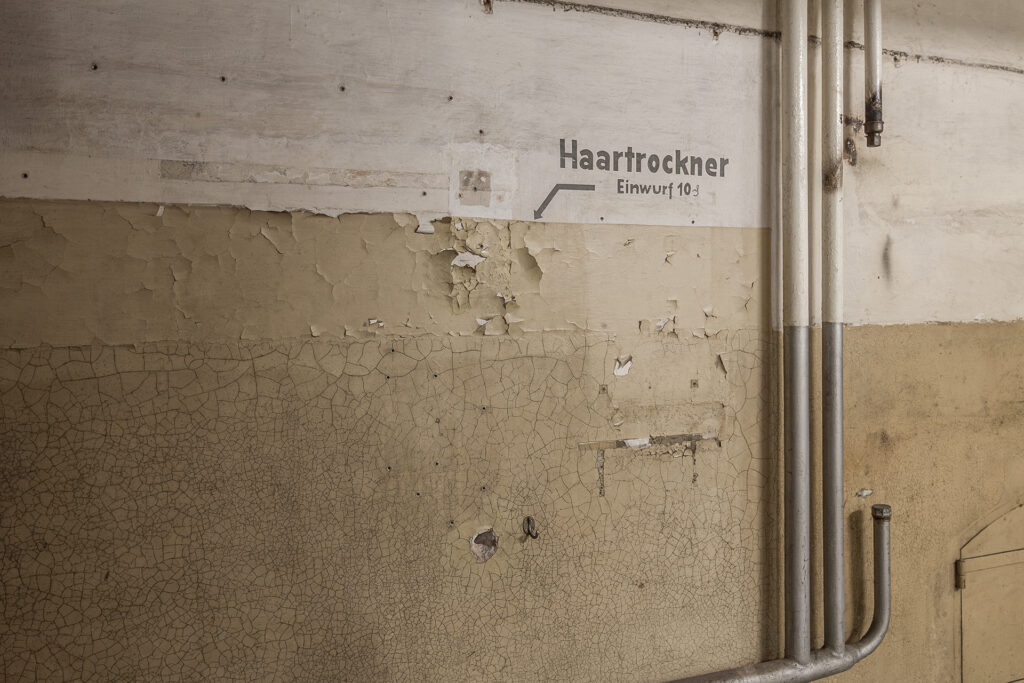
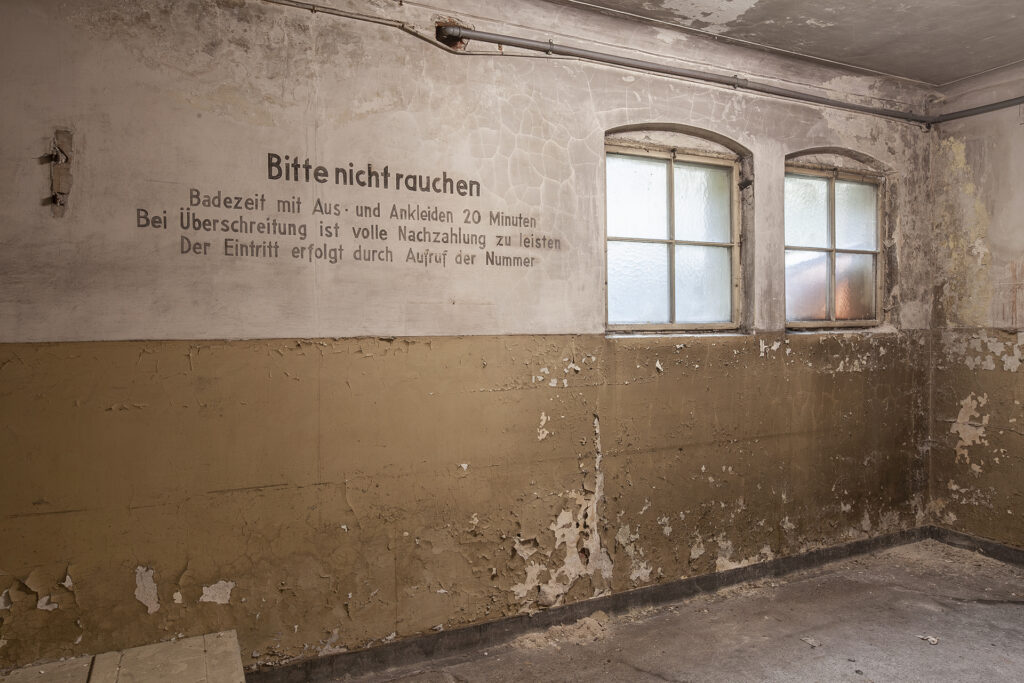
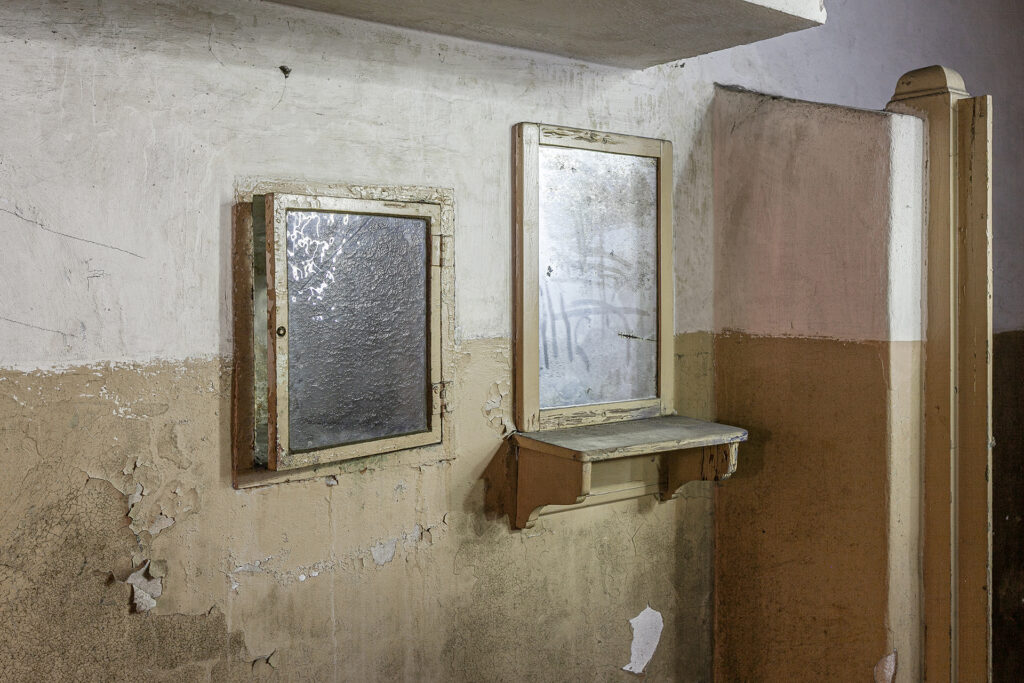
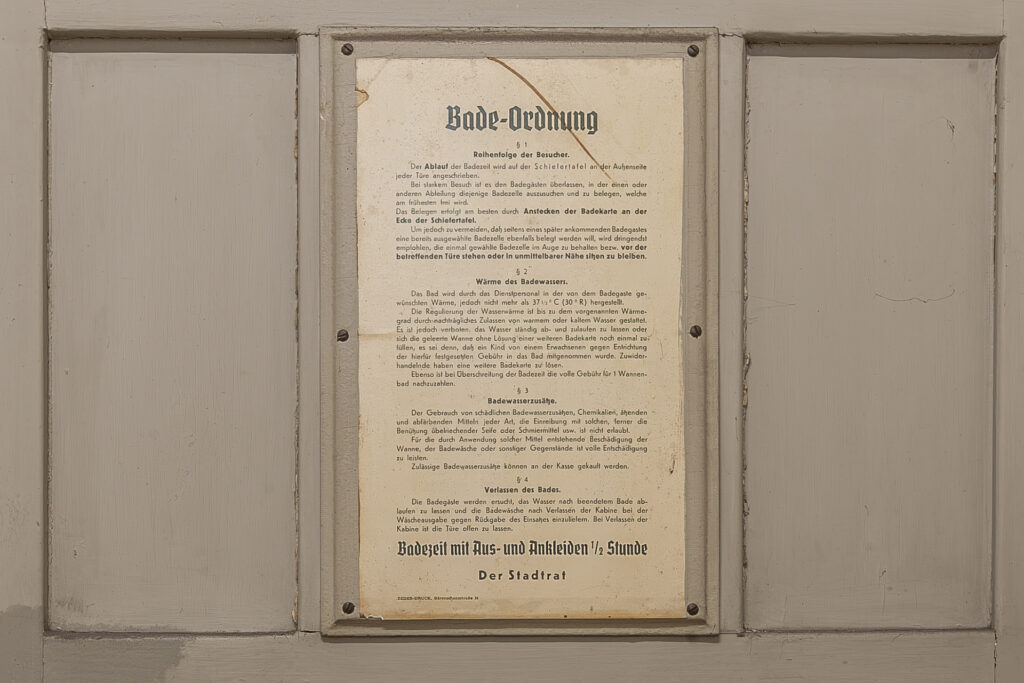
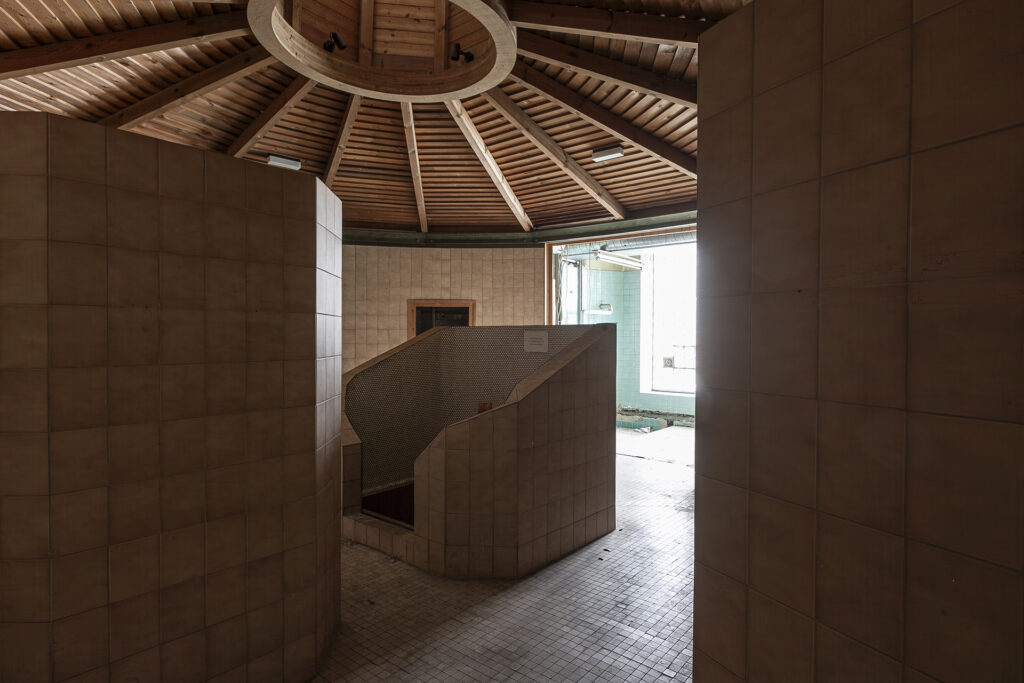
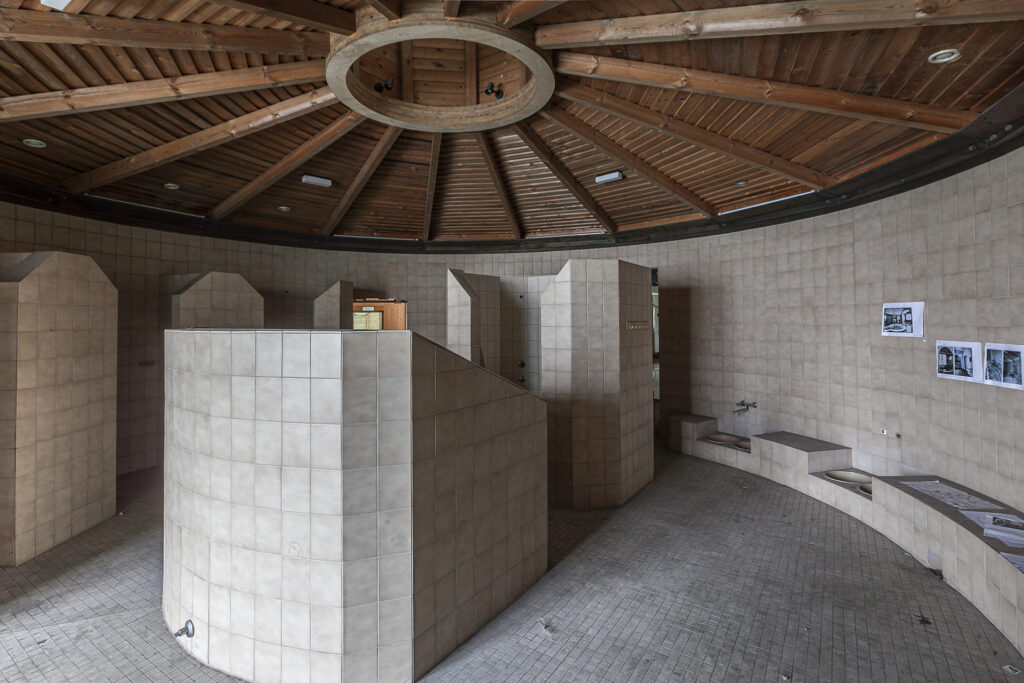
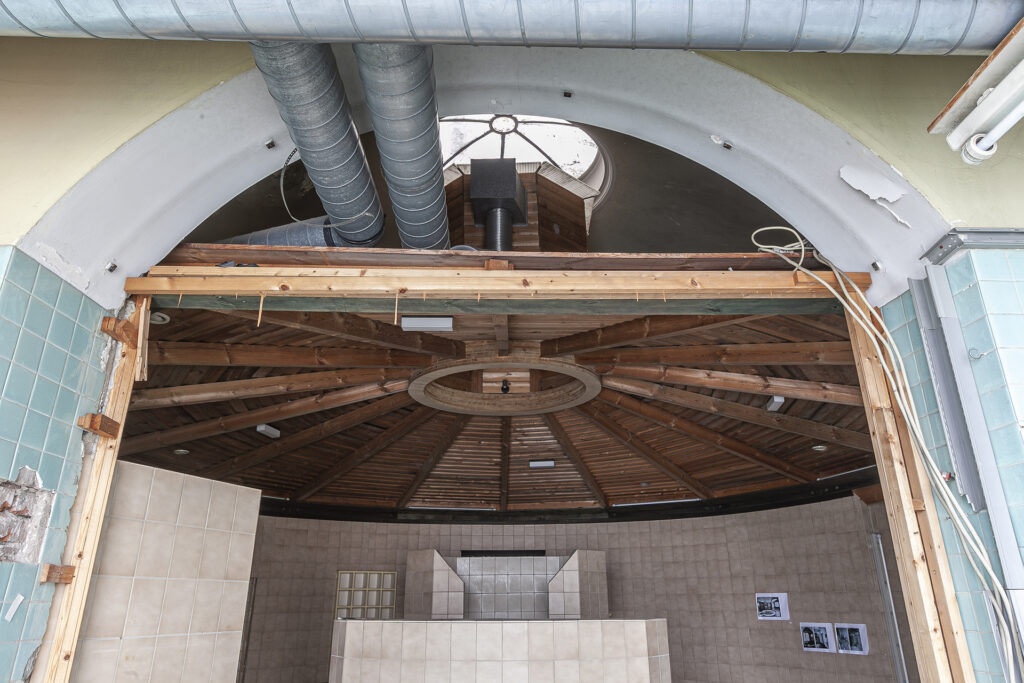
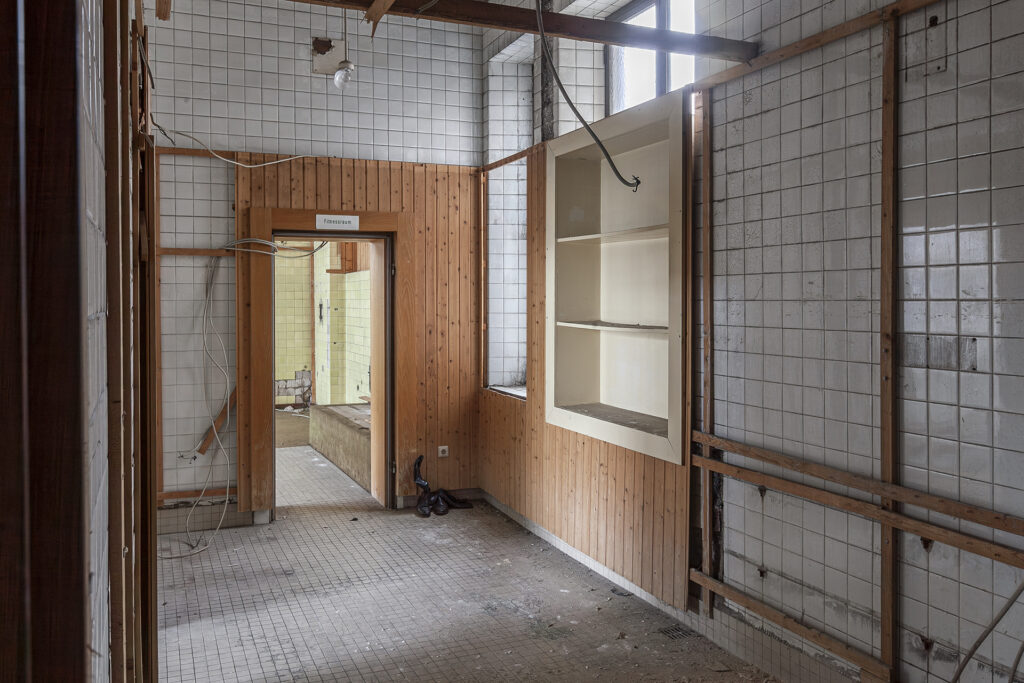
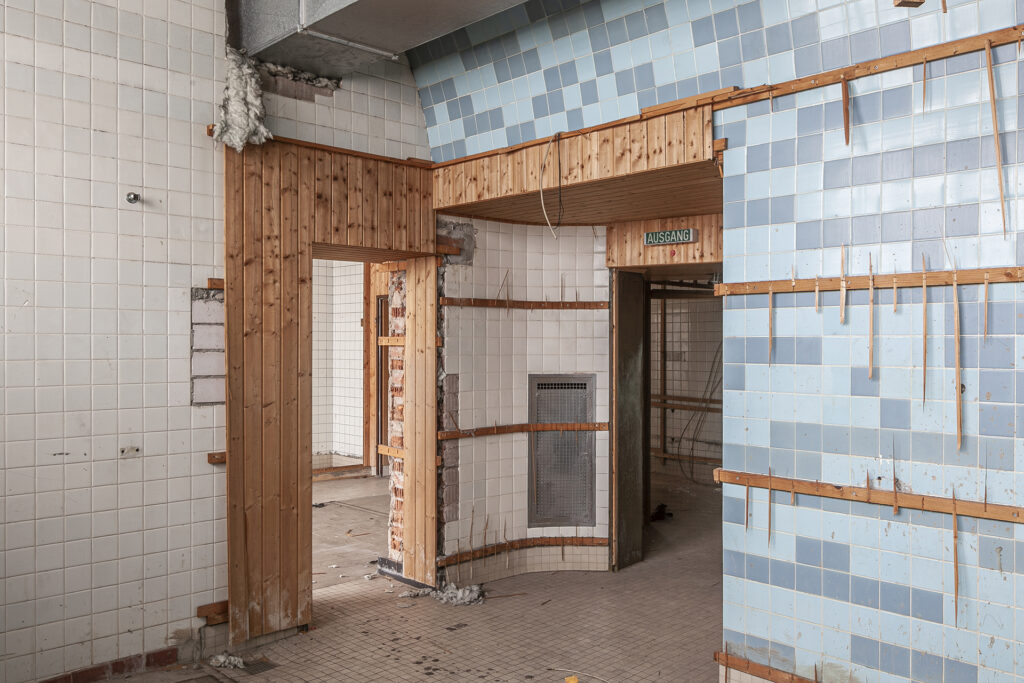
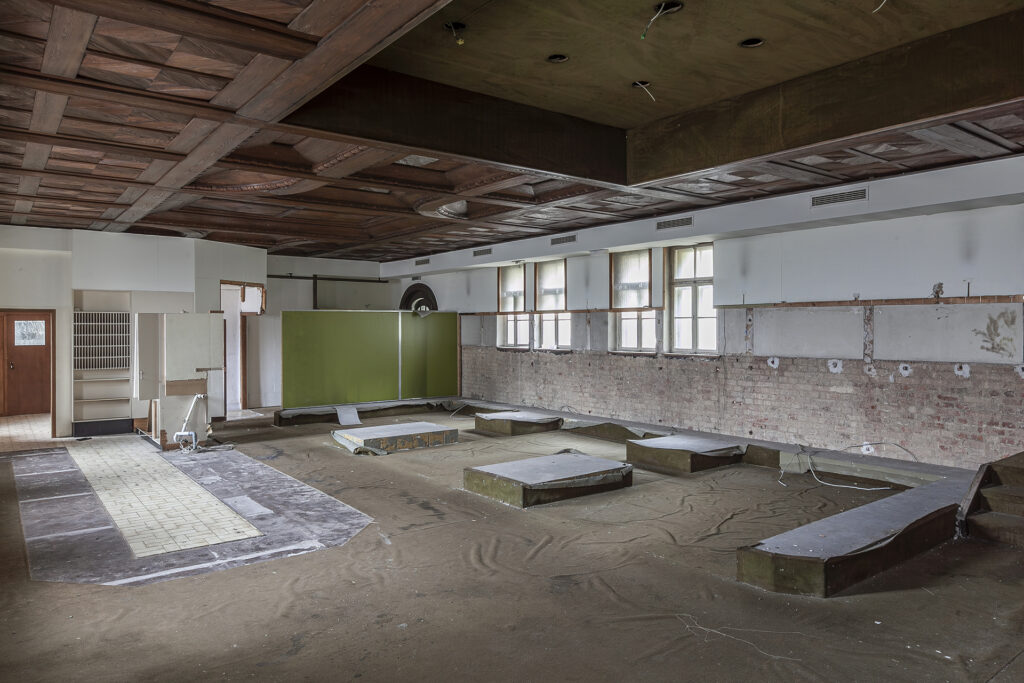
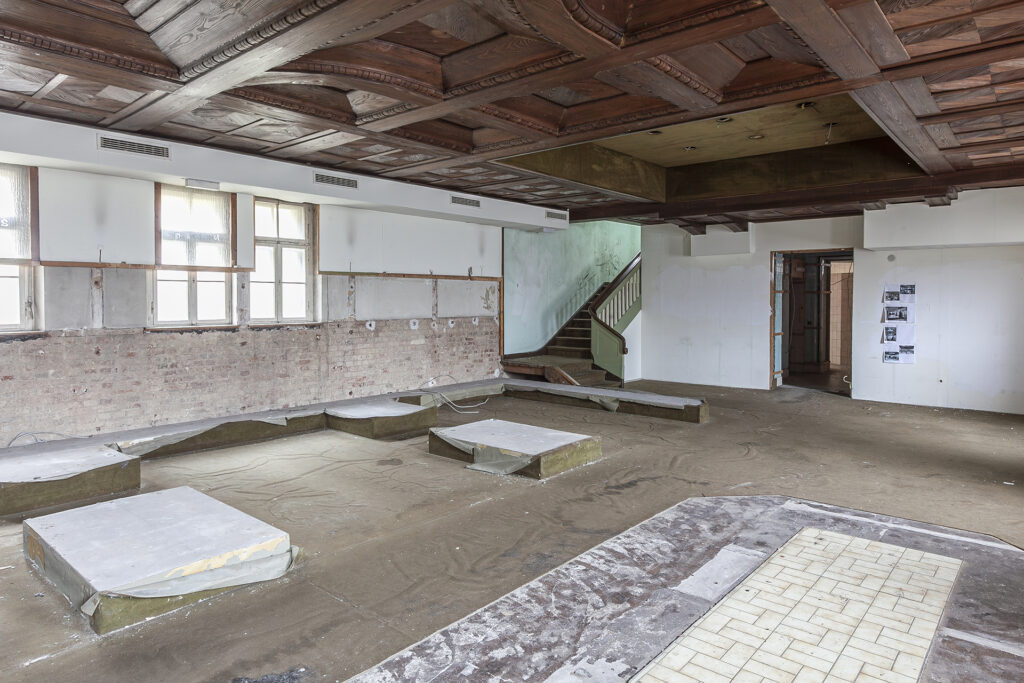
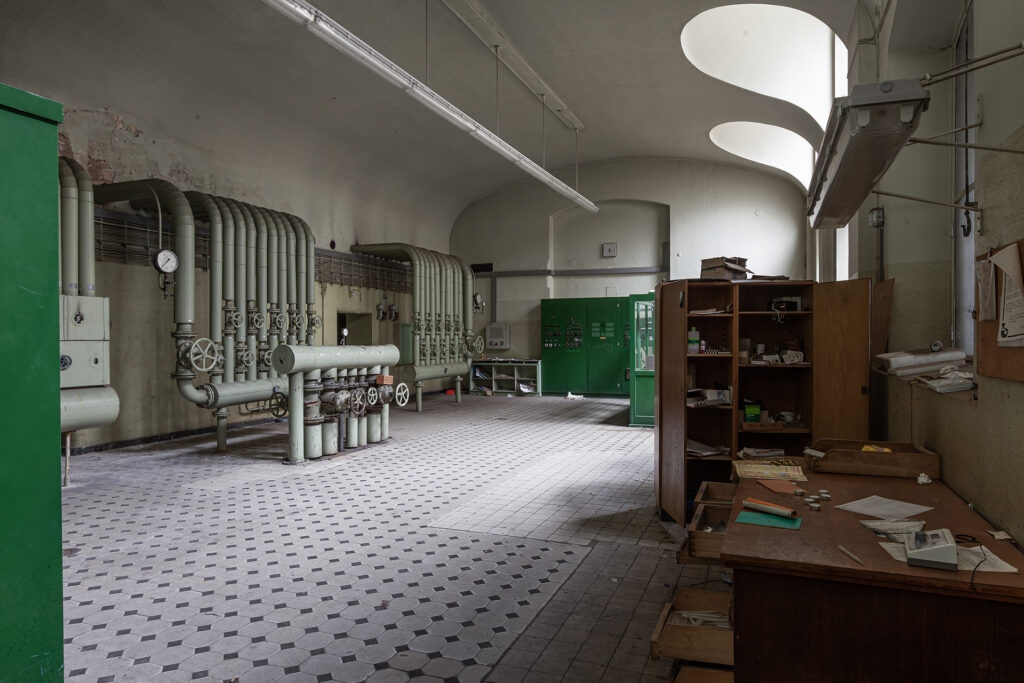
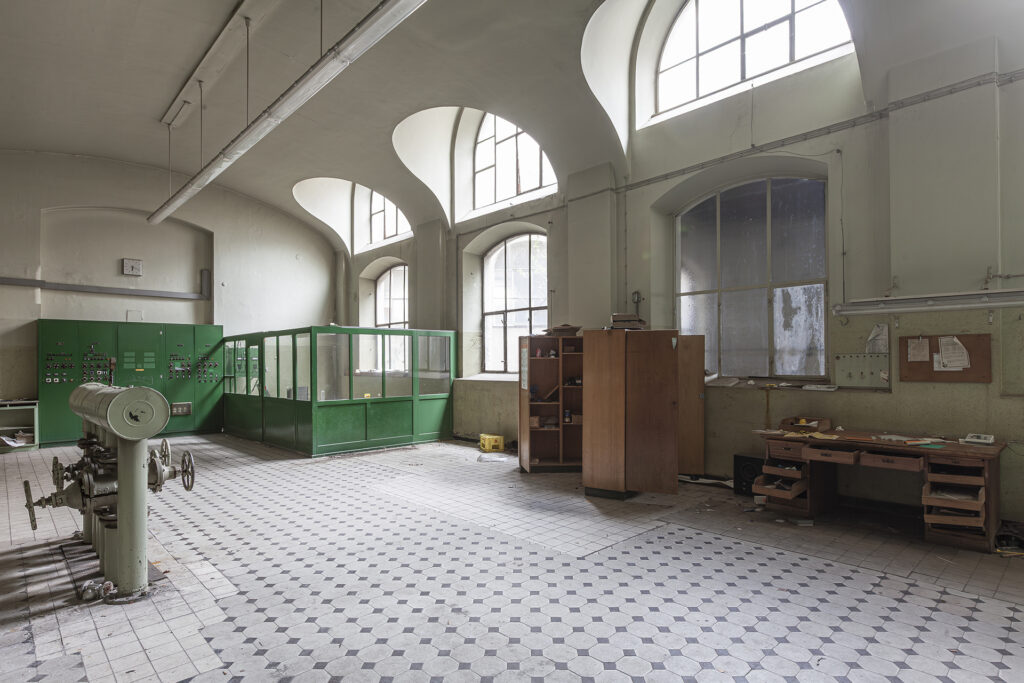
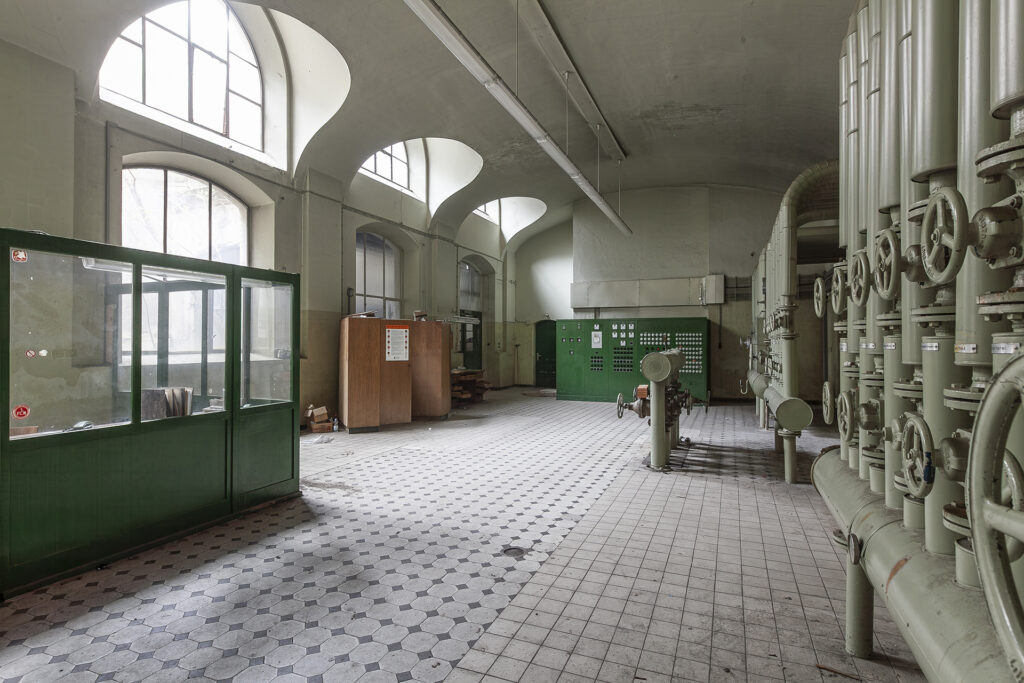
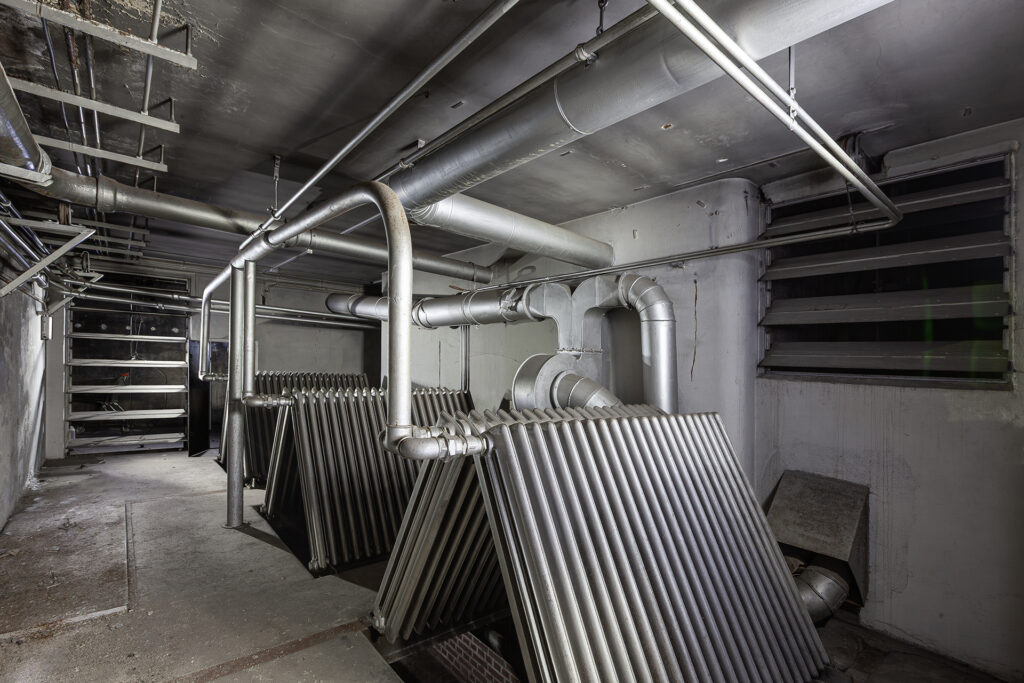
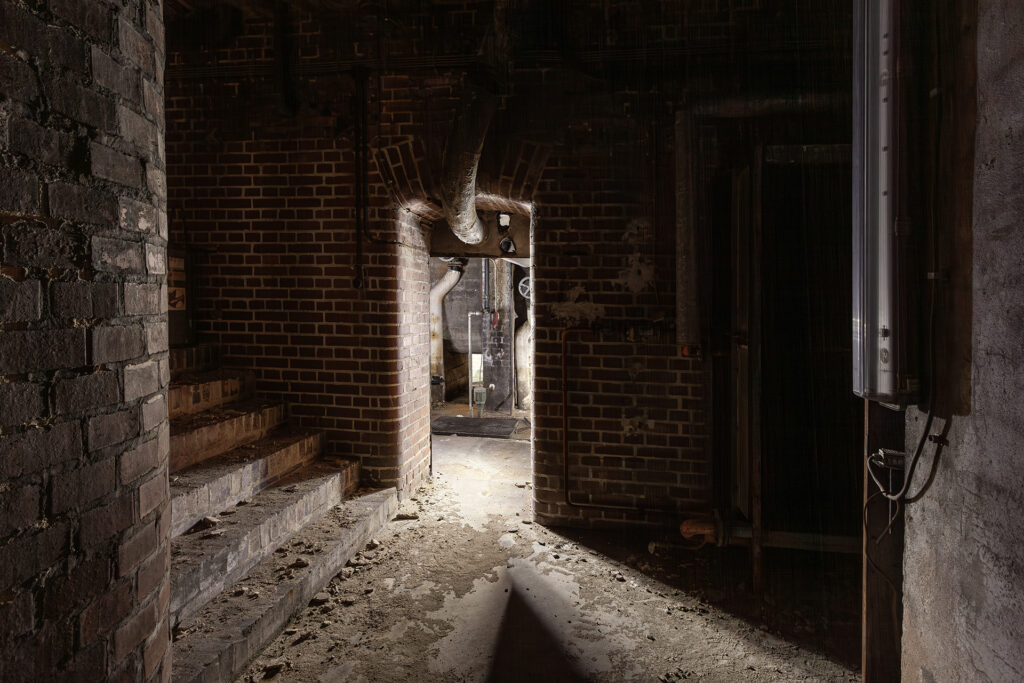
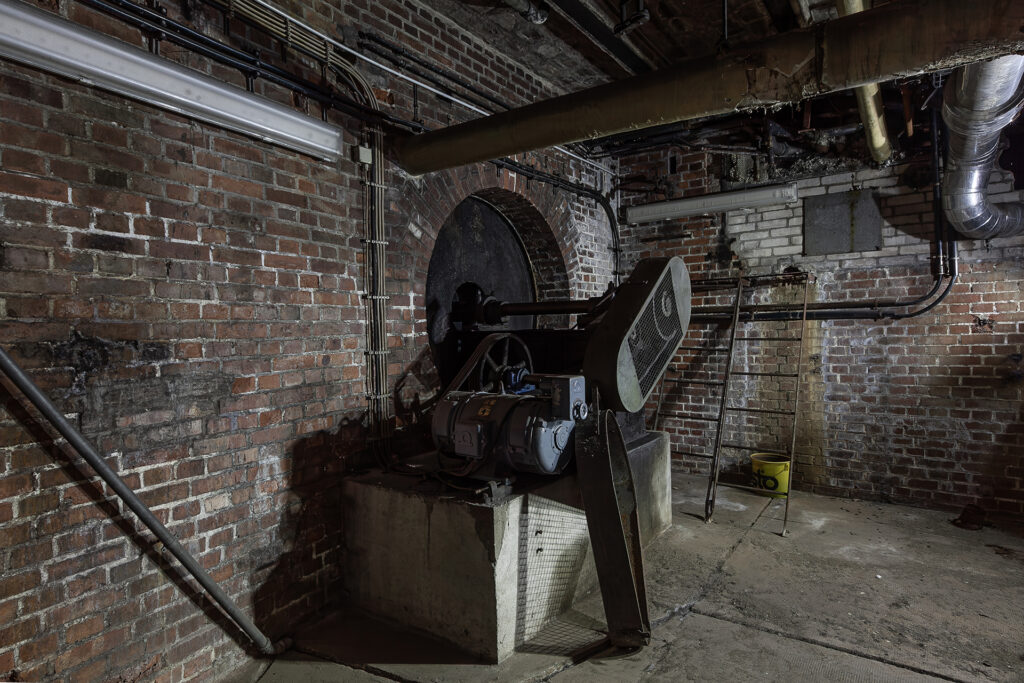
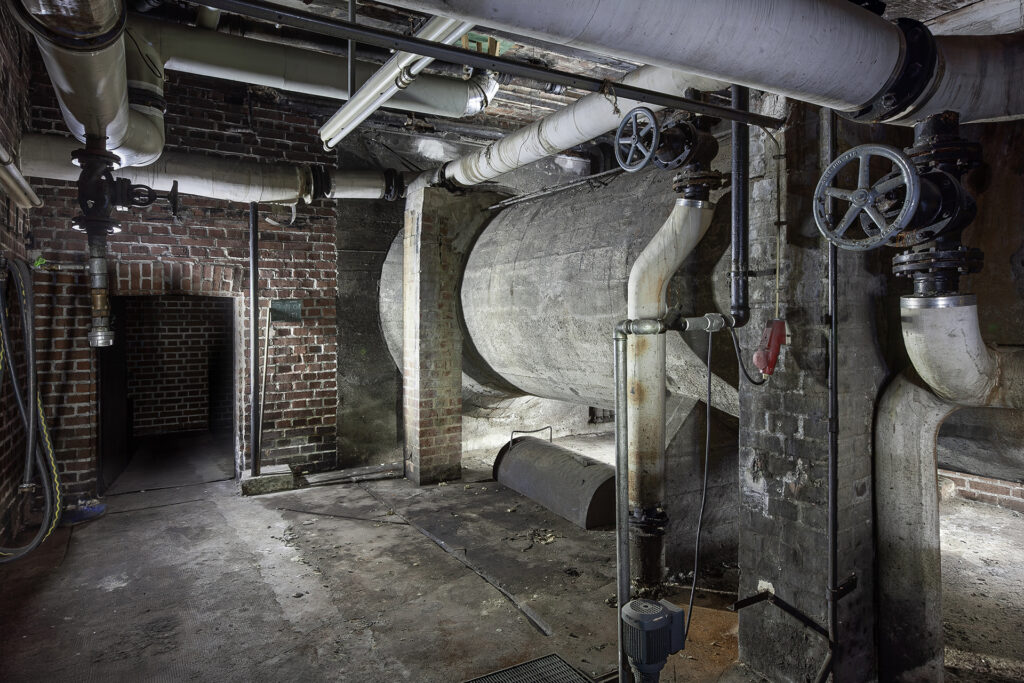
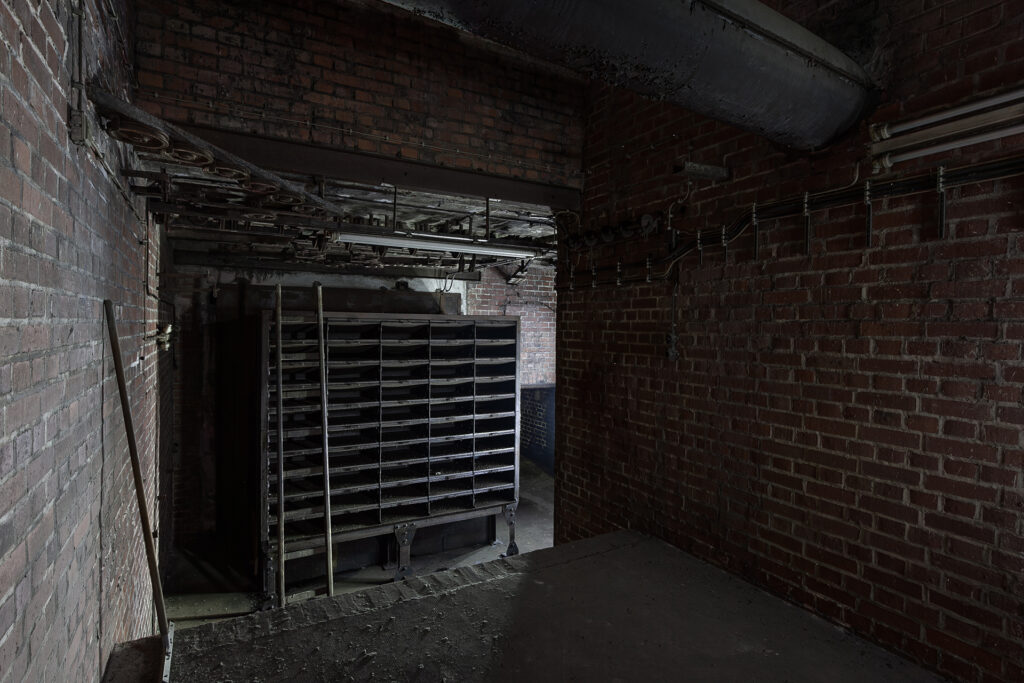
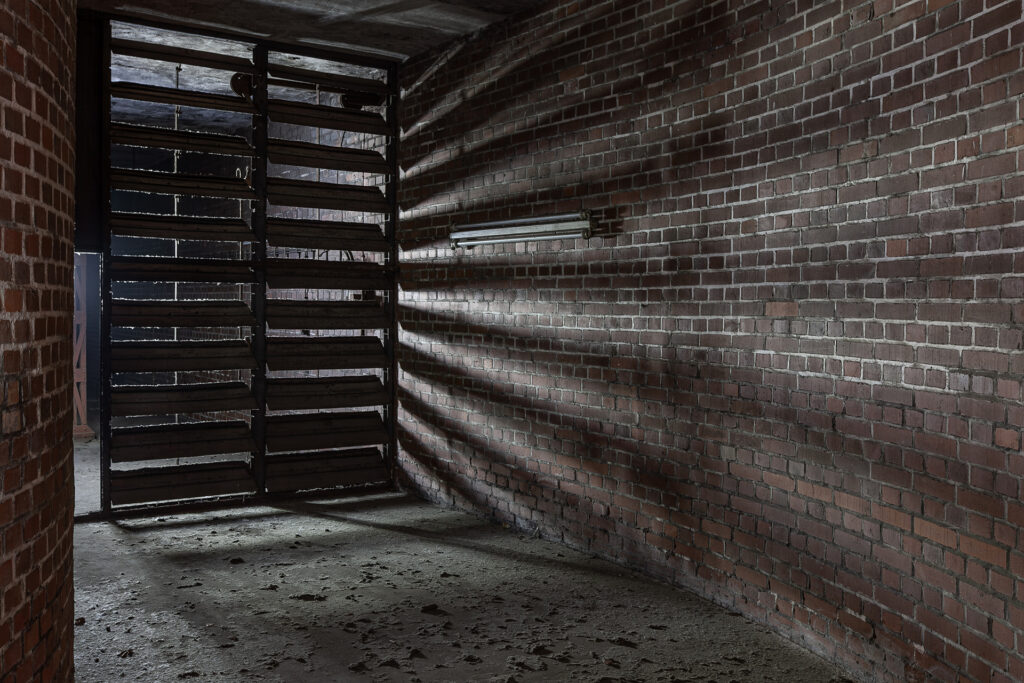
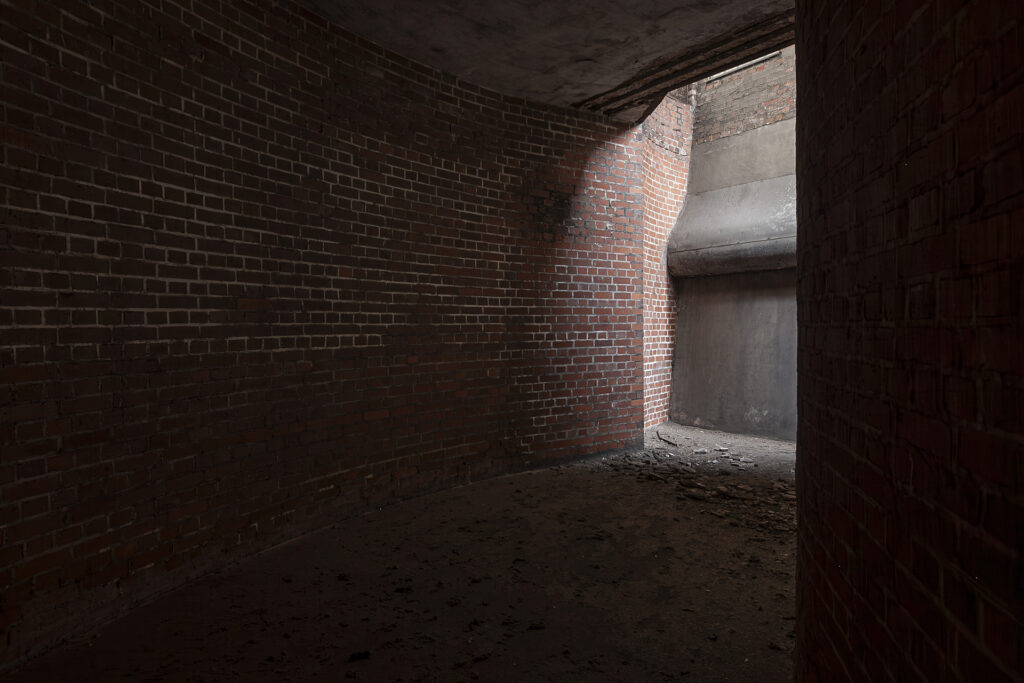
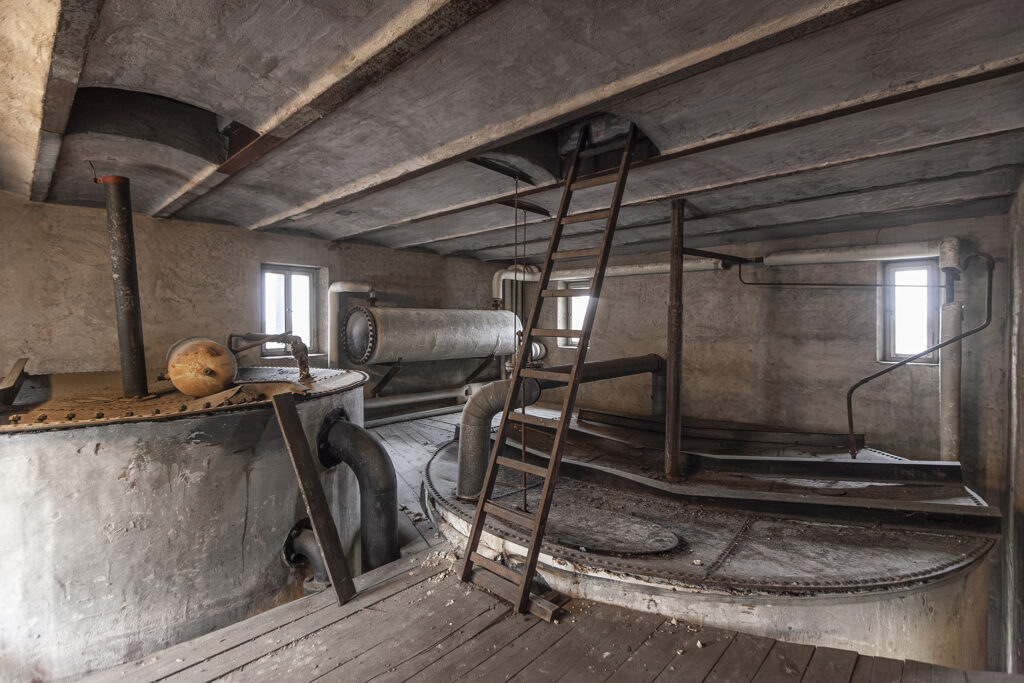
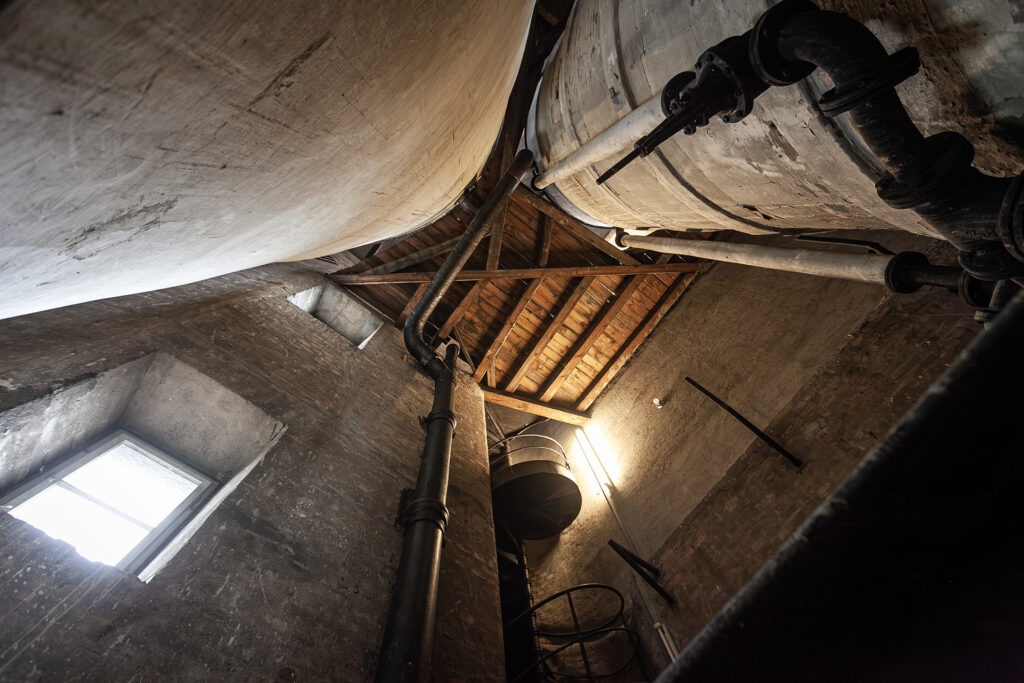
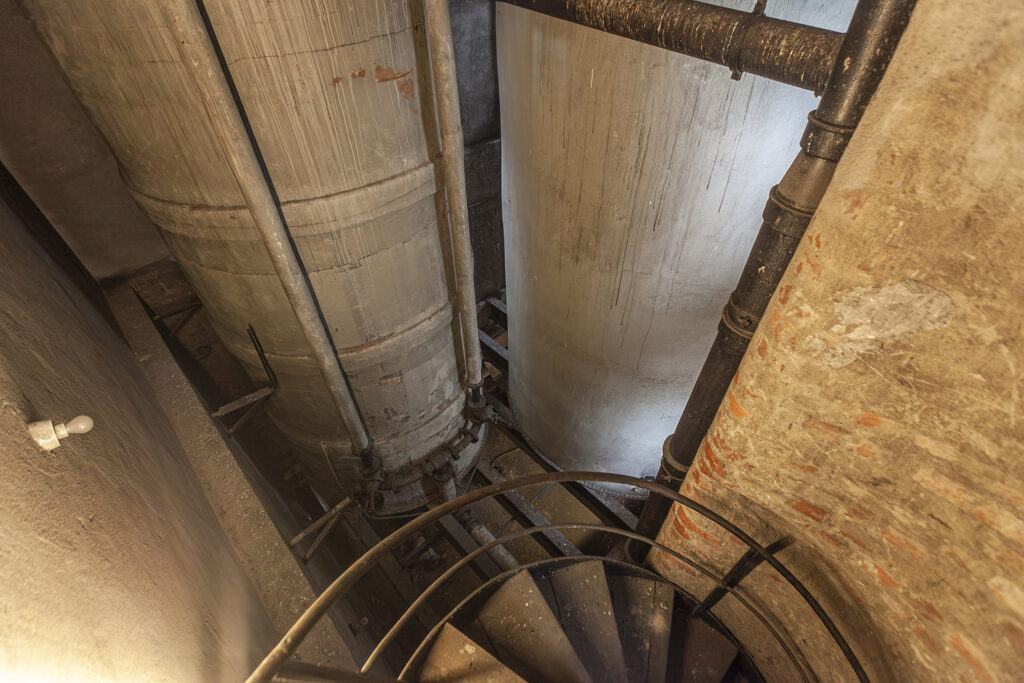
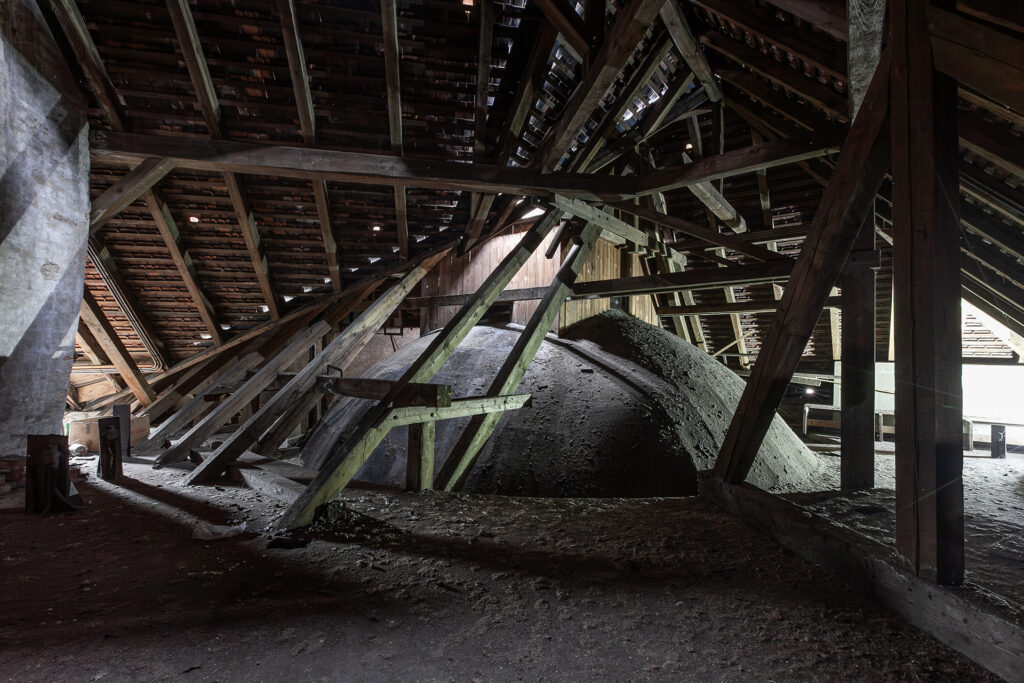
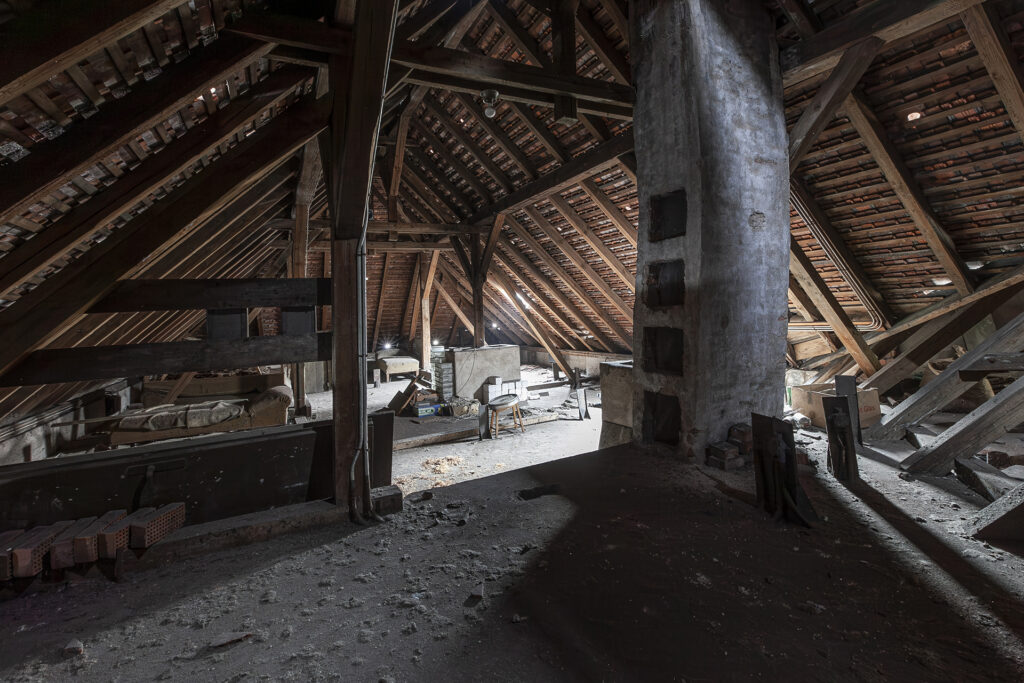
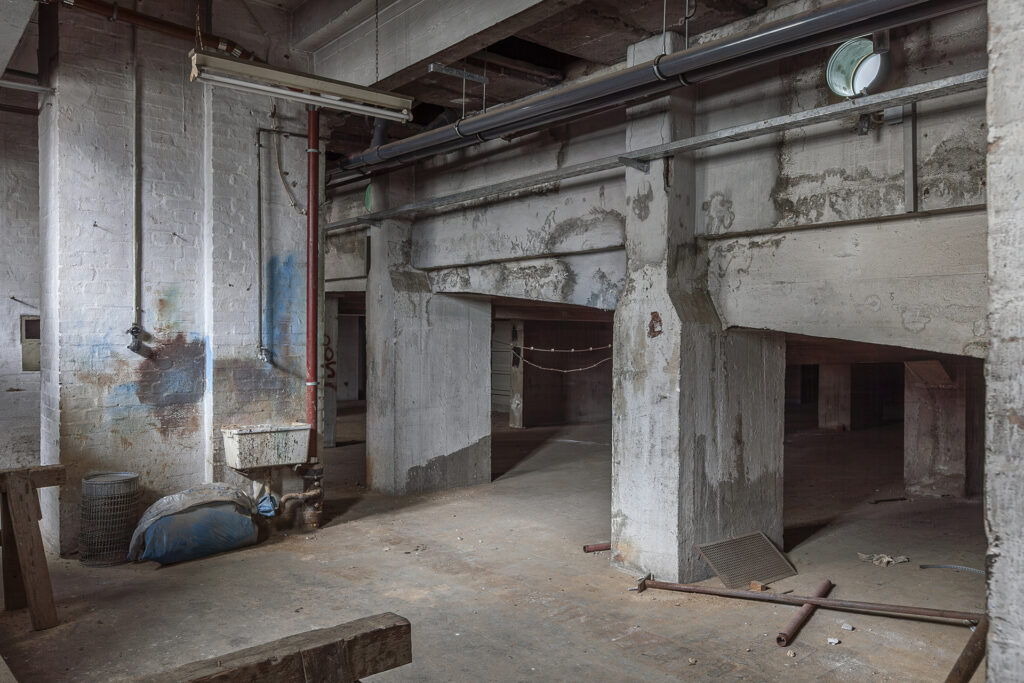
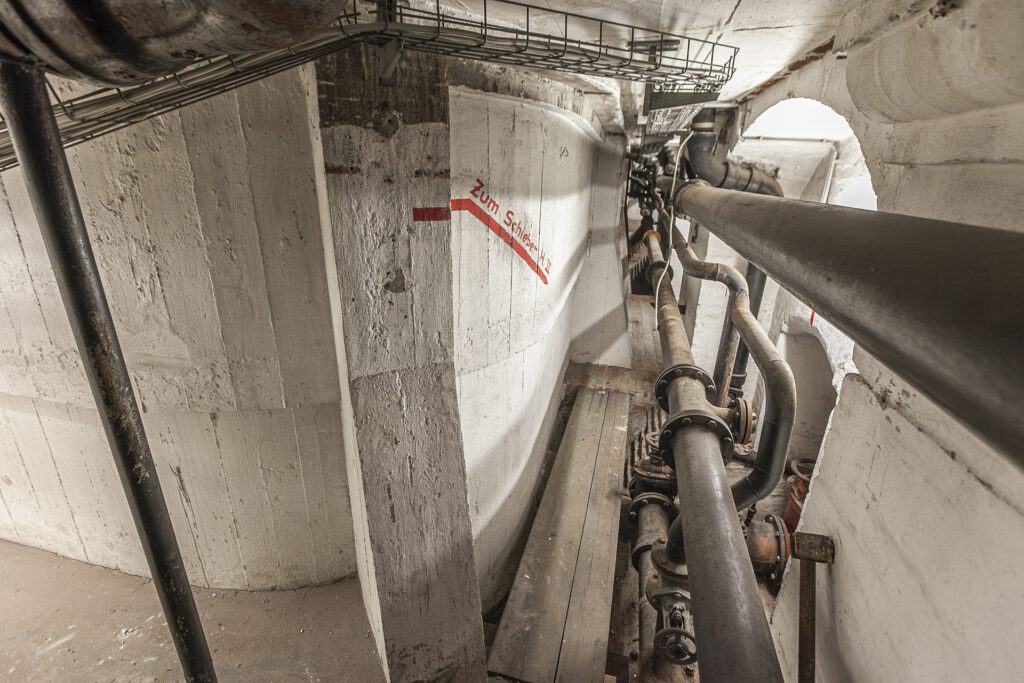
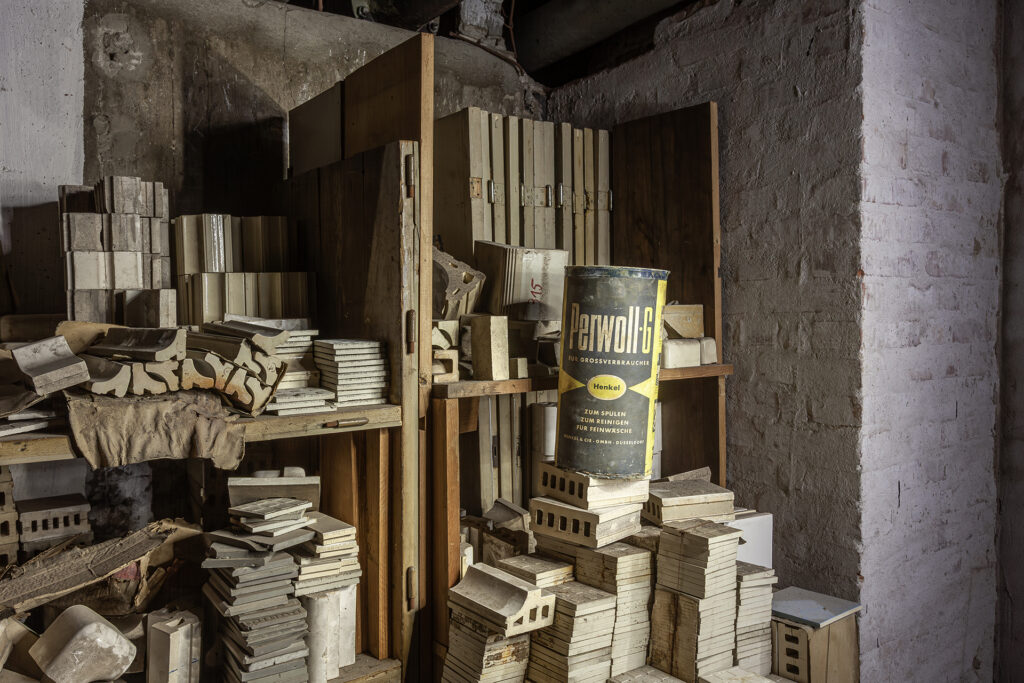
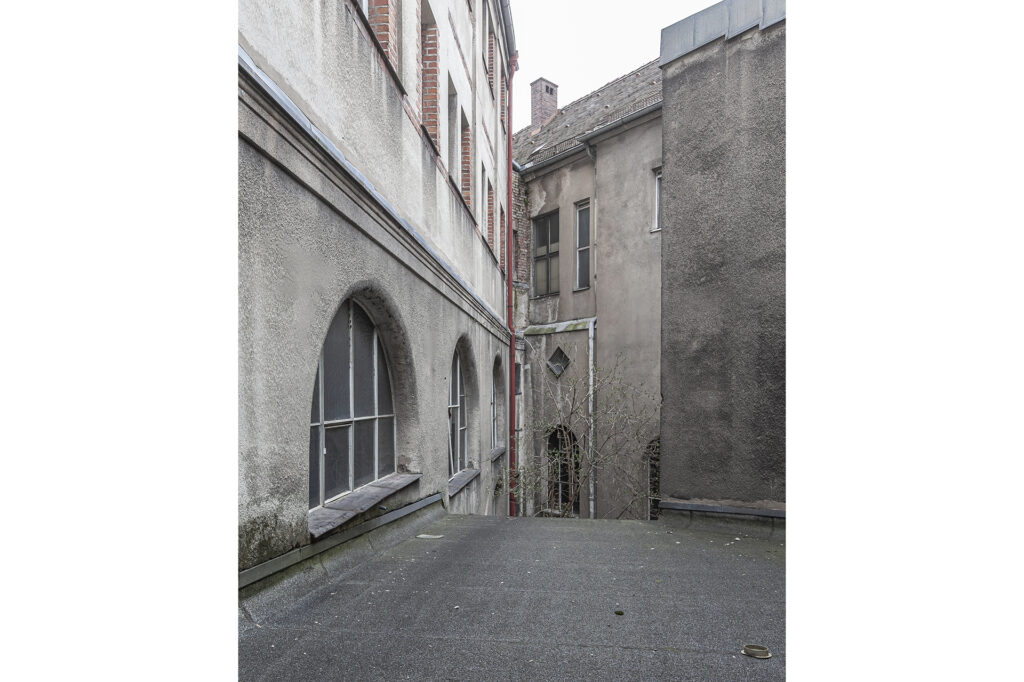
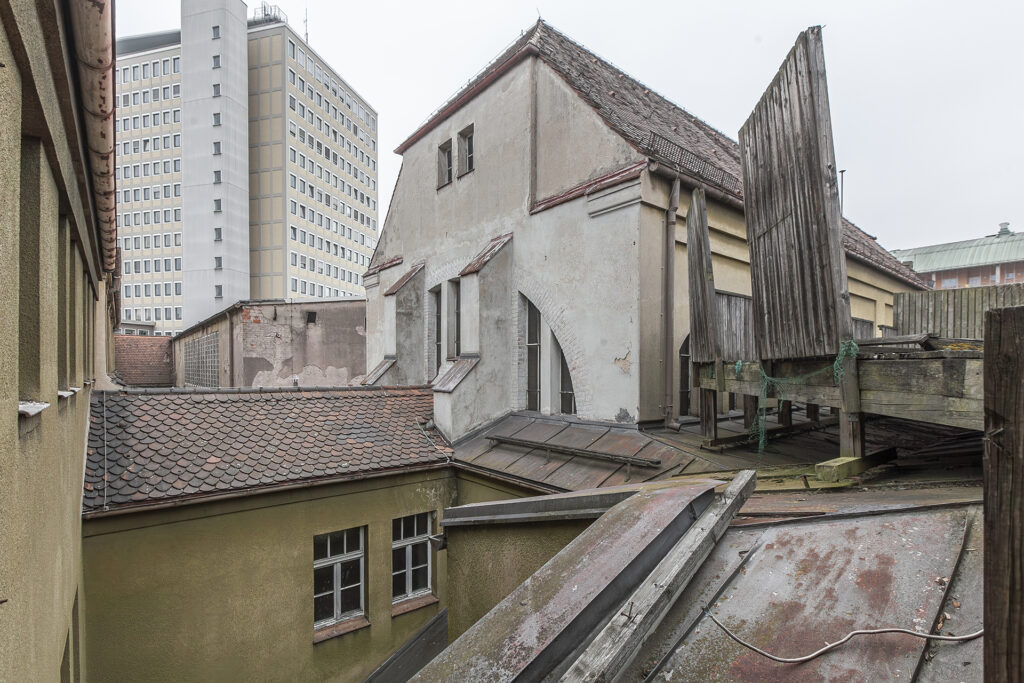
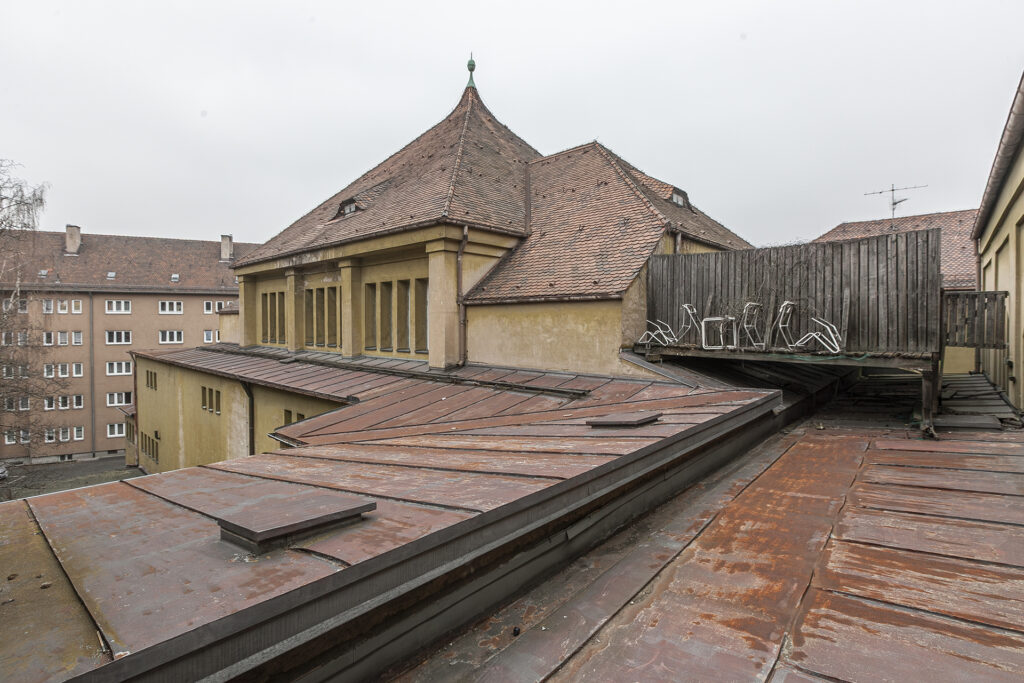
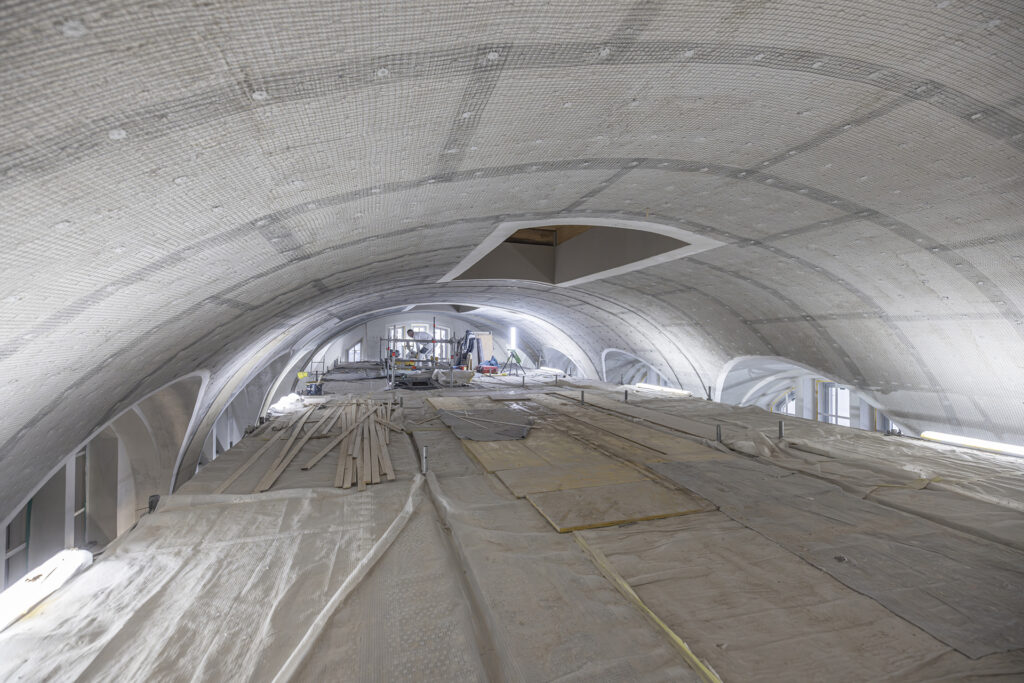
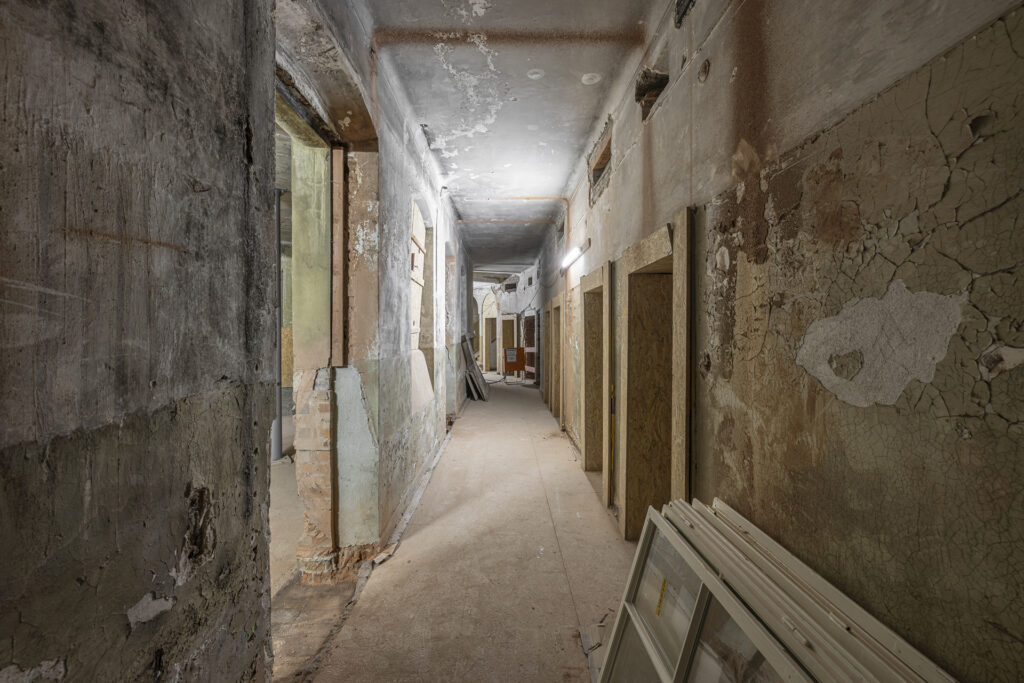
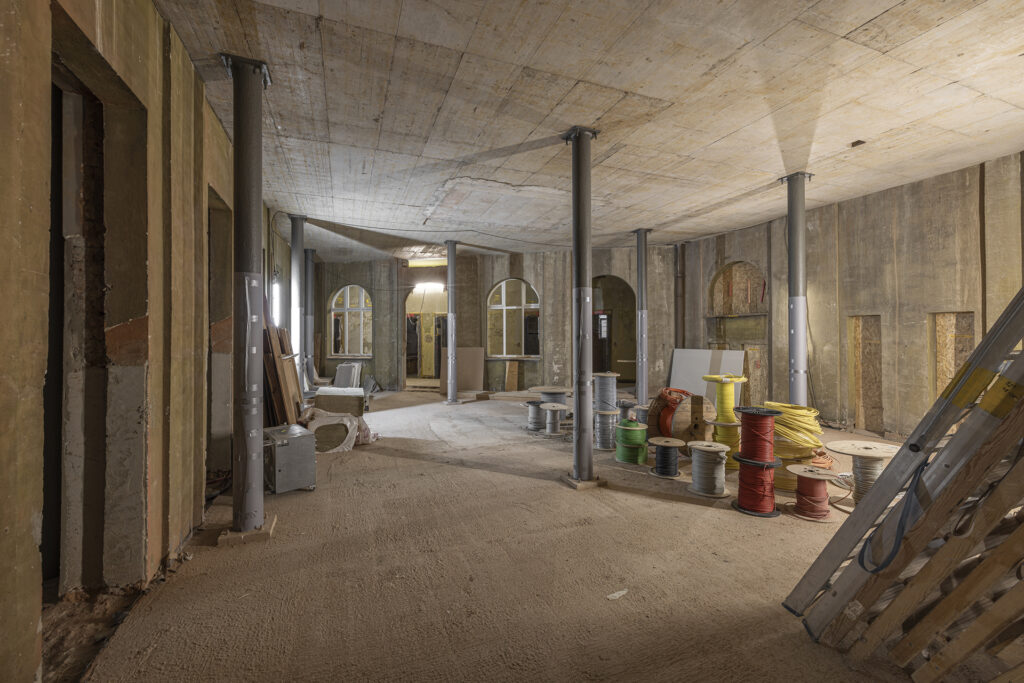
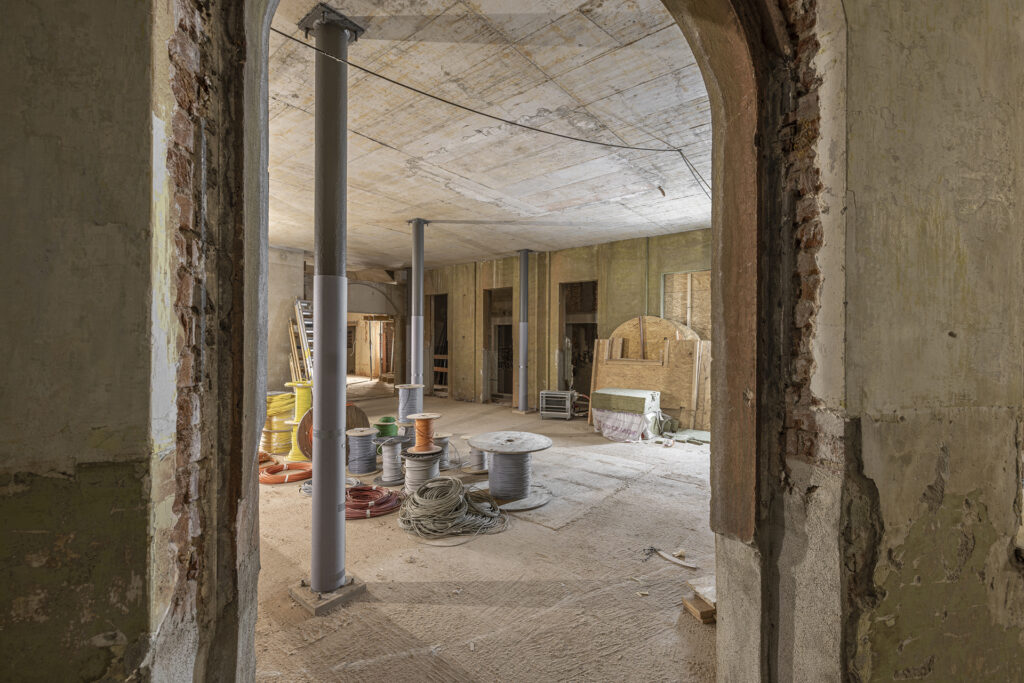
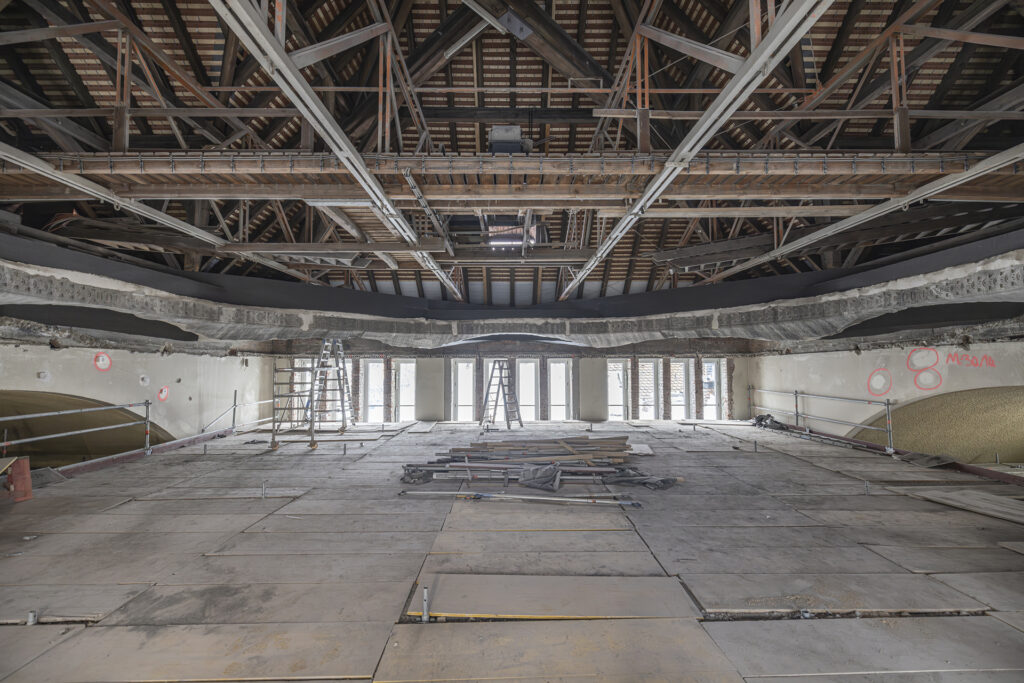
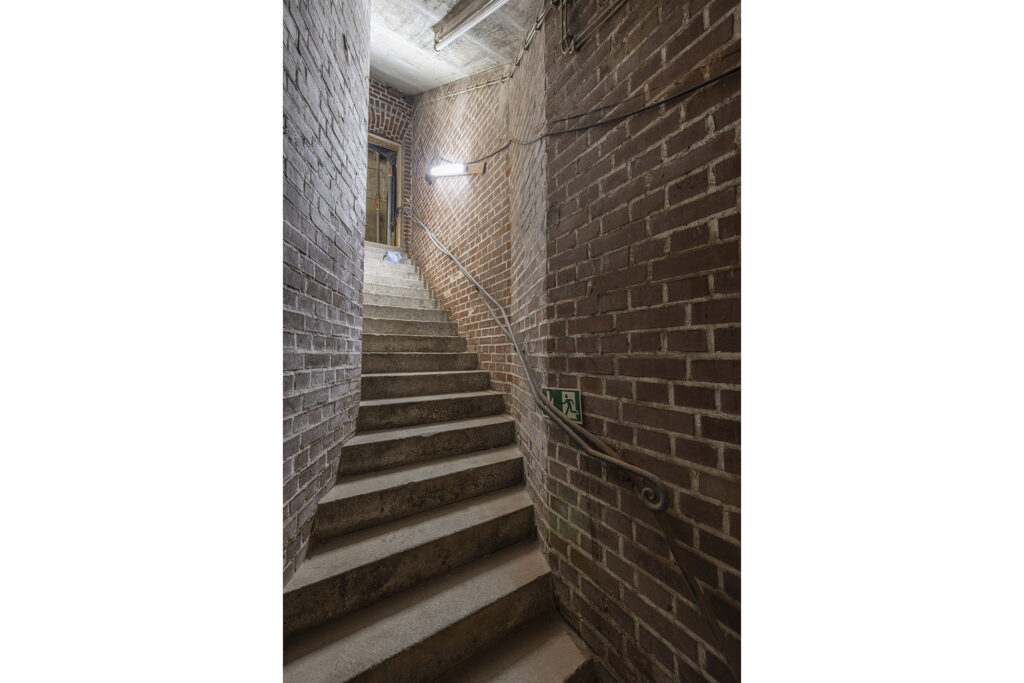
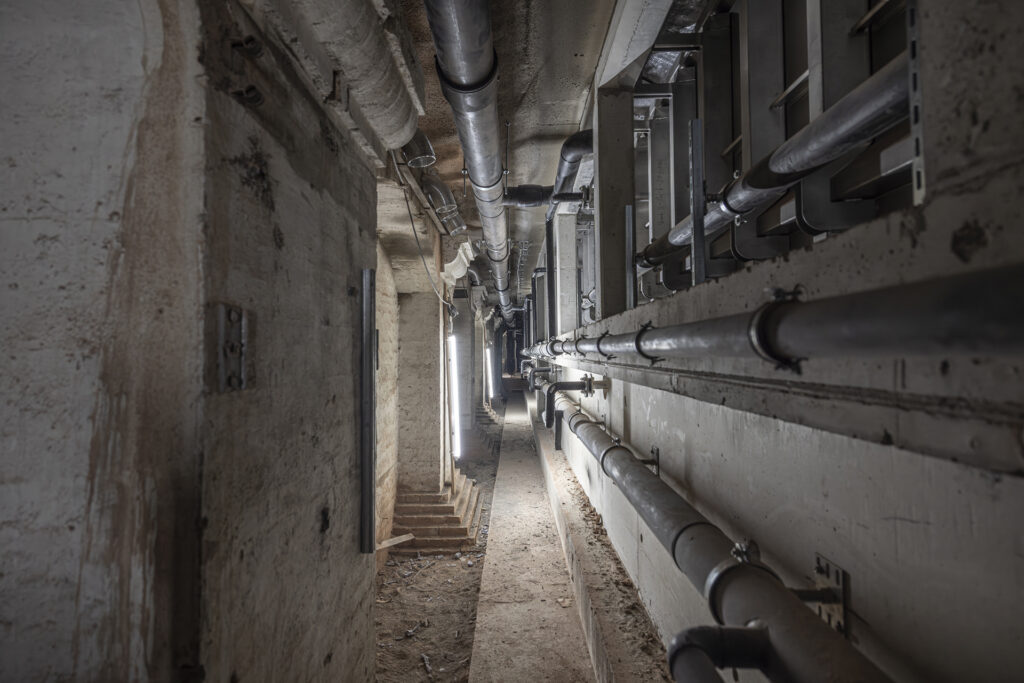
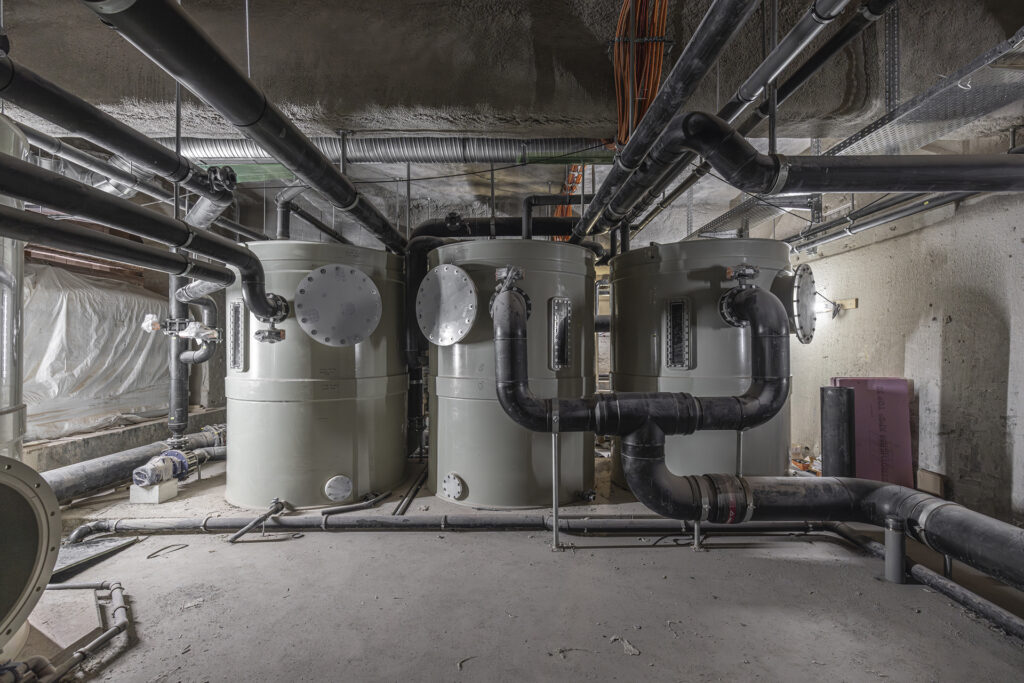
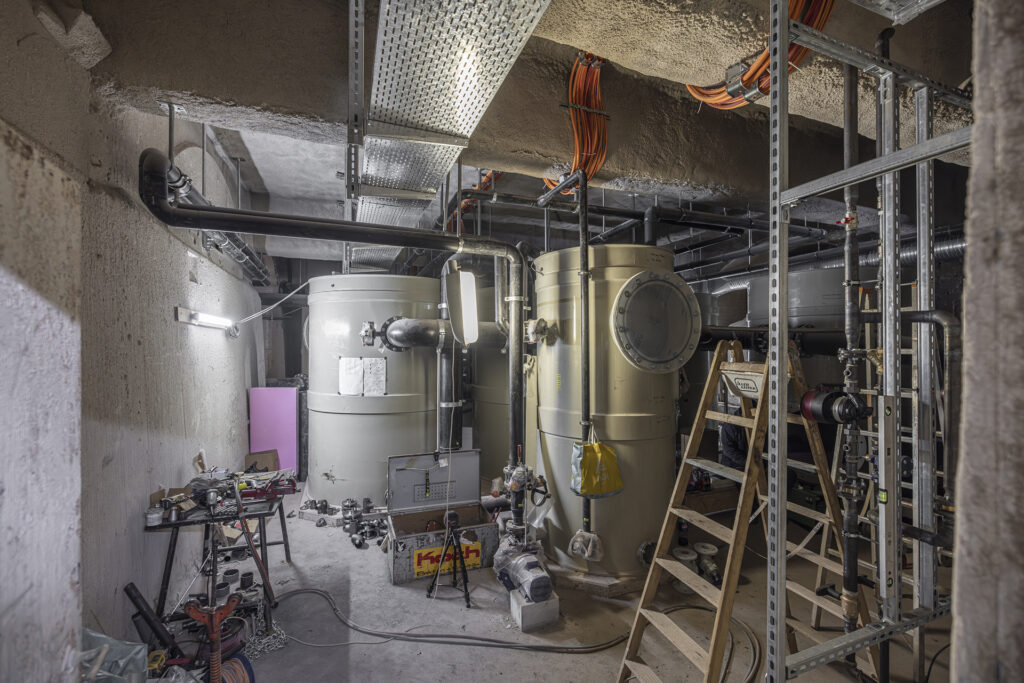
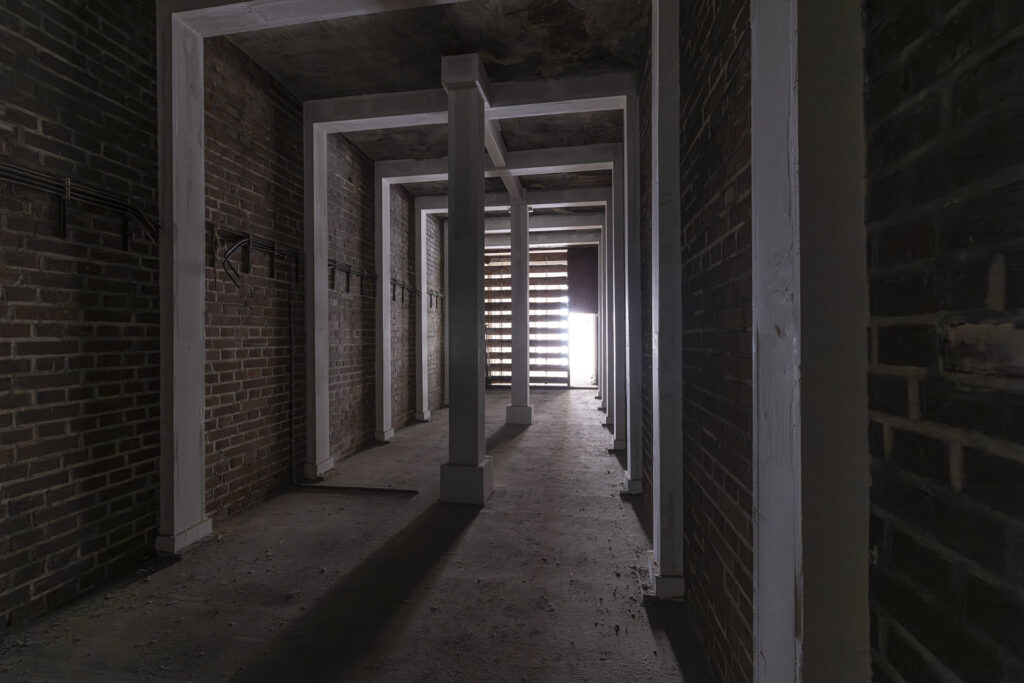
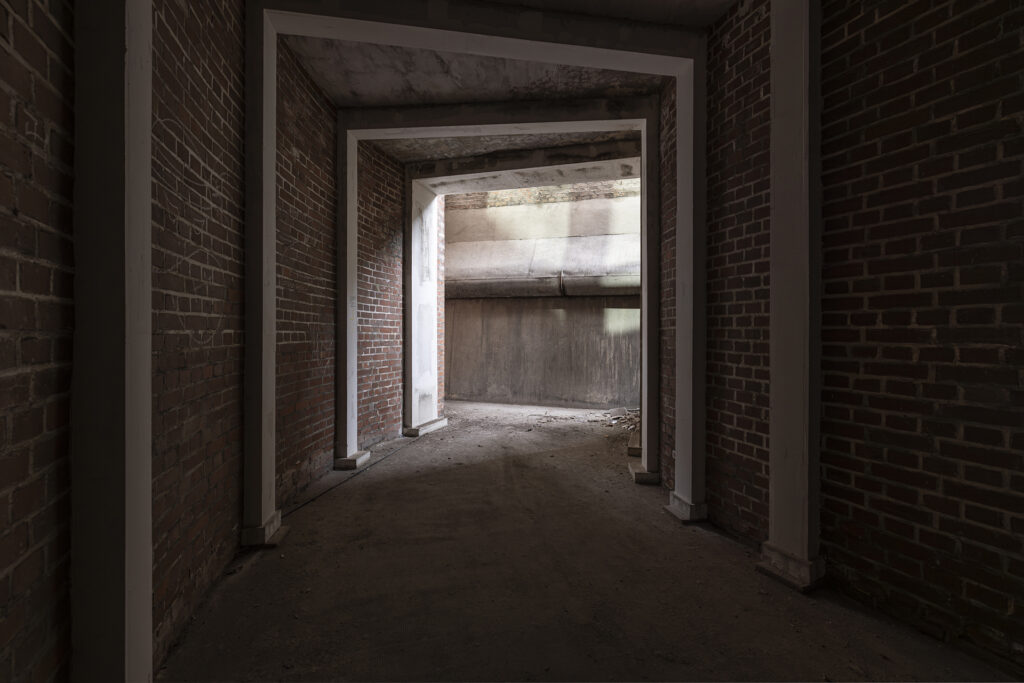
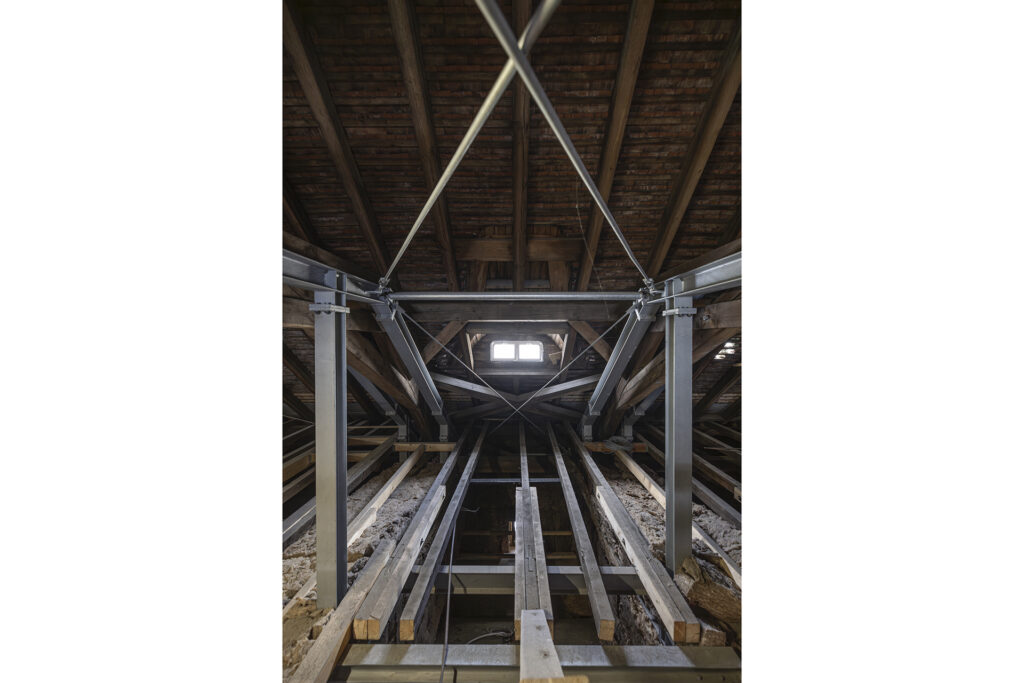
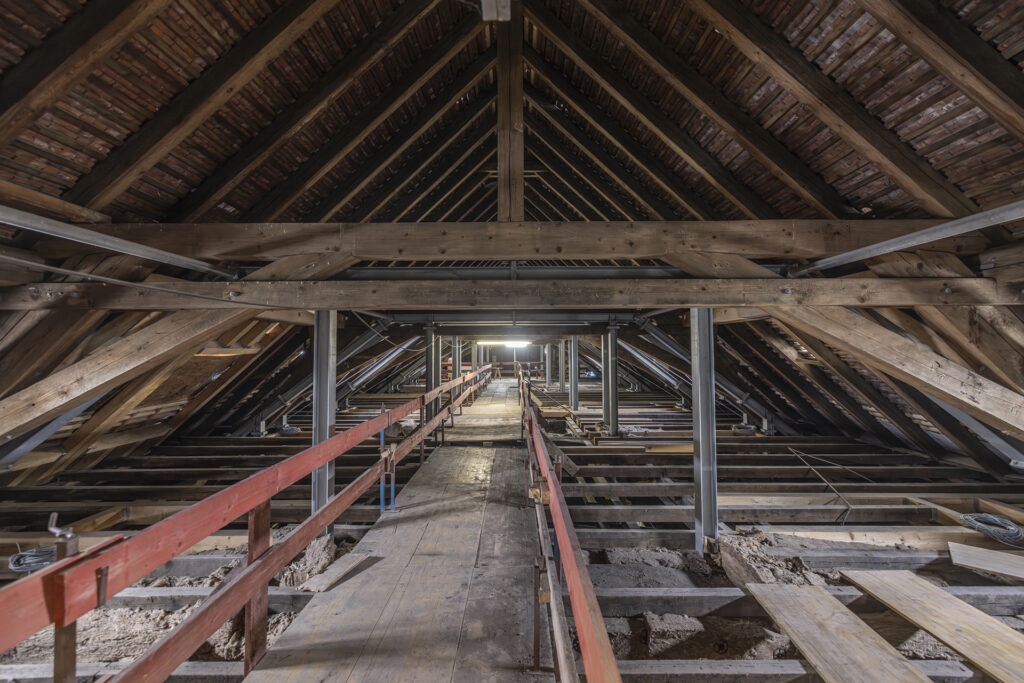
Between 2010 and 2015, I had the privilege of documenting the Volksbad countless times. What began as a personal fascination with decay eventually culminated in an extensive survey commissioned by the City of Nuremberg. I was able to photograph areas that no one had entered for decades—from the deep technical basements to the space beneath the massive roof trusses. At that time, it was completely unclear whether the building would ever be revitalized or if it would eventually fall victim to demolition.
Survey 2010–2015
Entrance hall
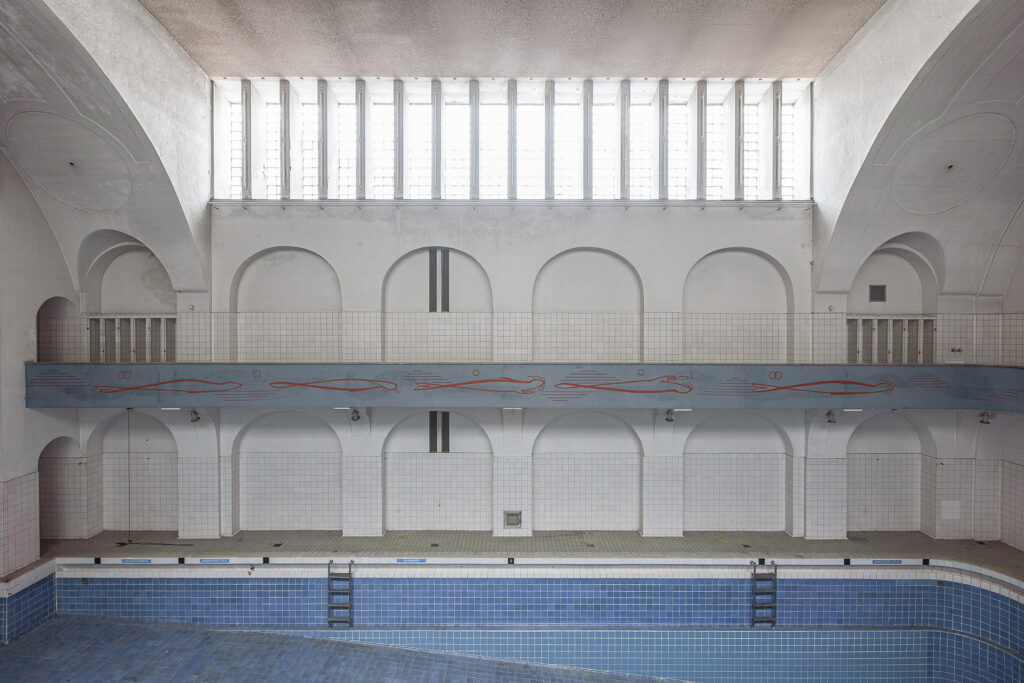
Indoor swimming bath
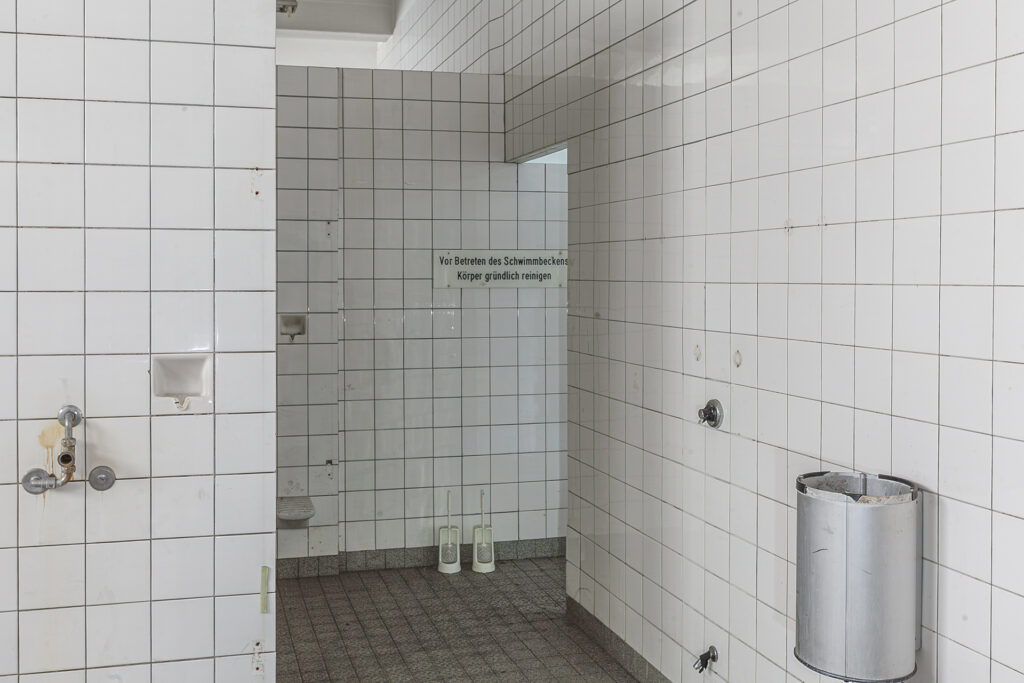
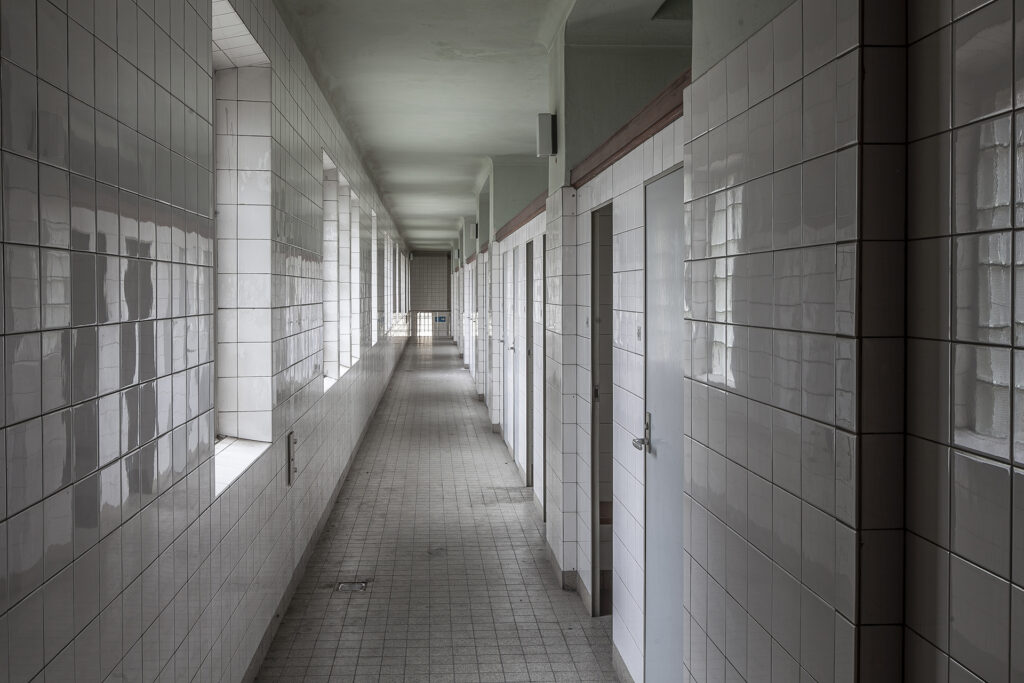
Bathrooms
Wellness
Cellar, basement and hidden spots
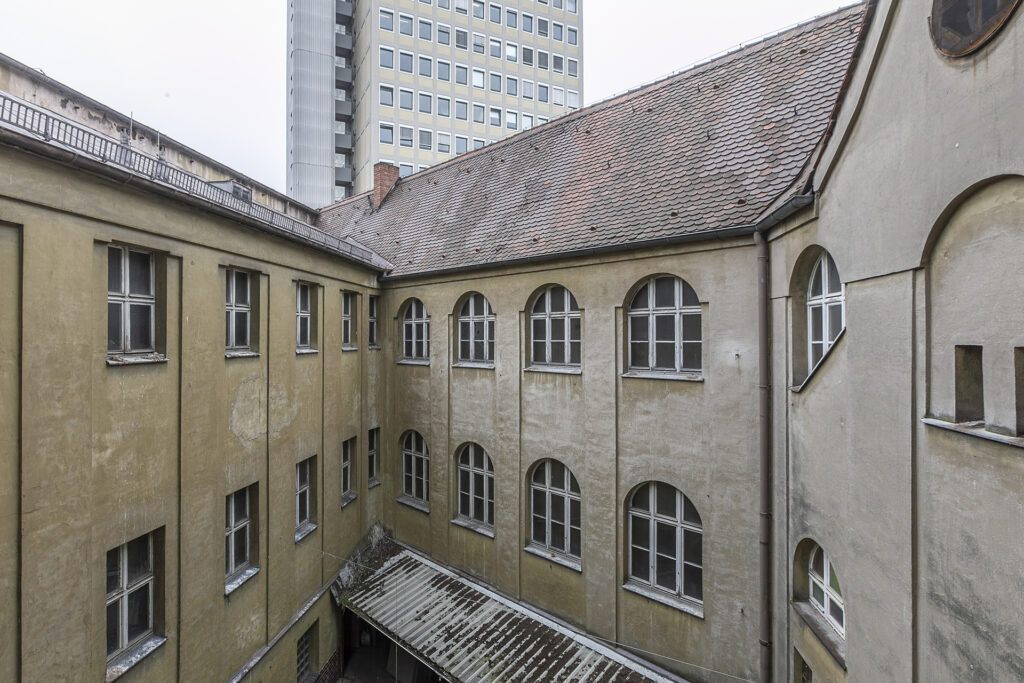
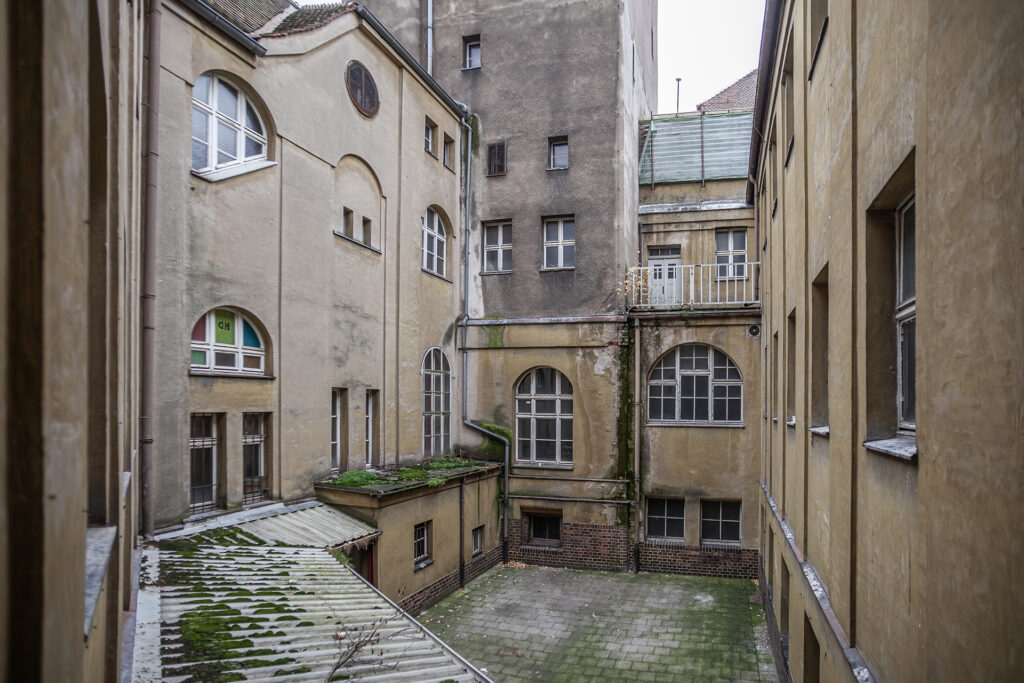
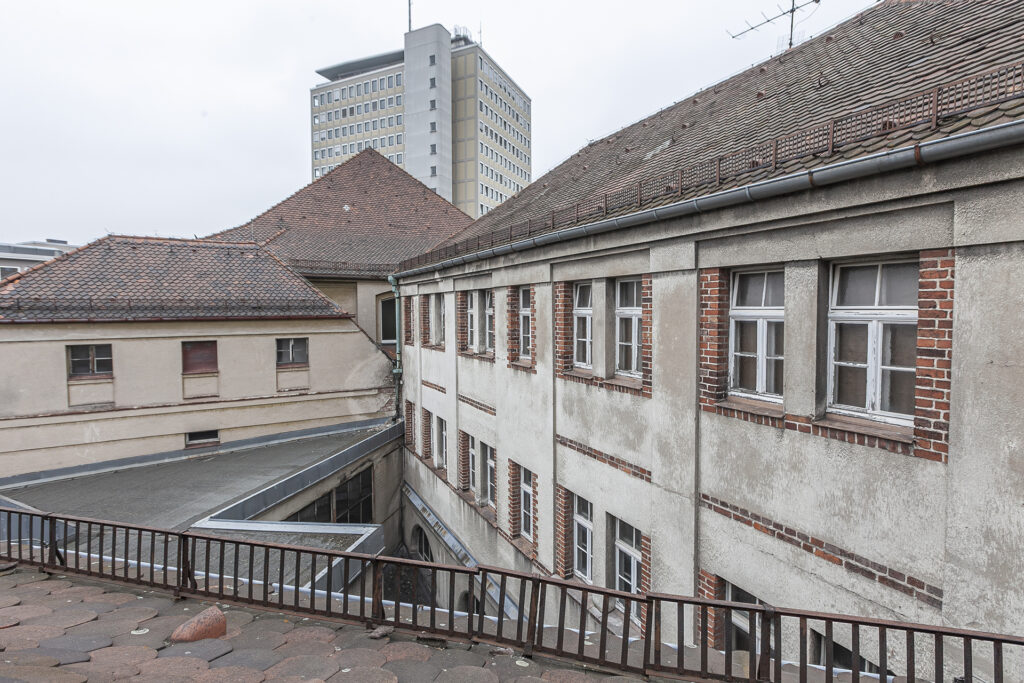
Facades
The Awakening: Revitalization and Rescue
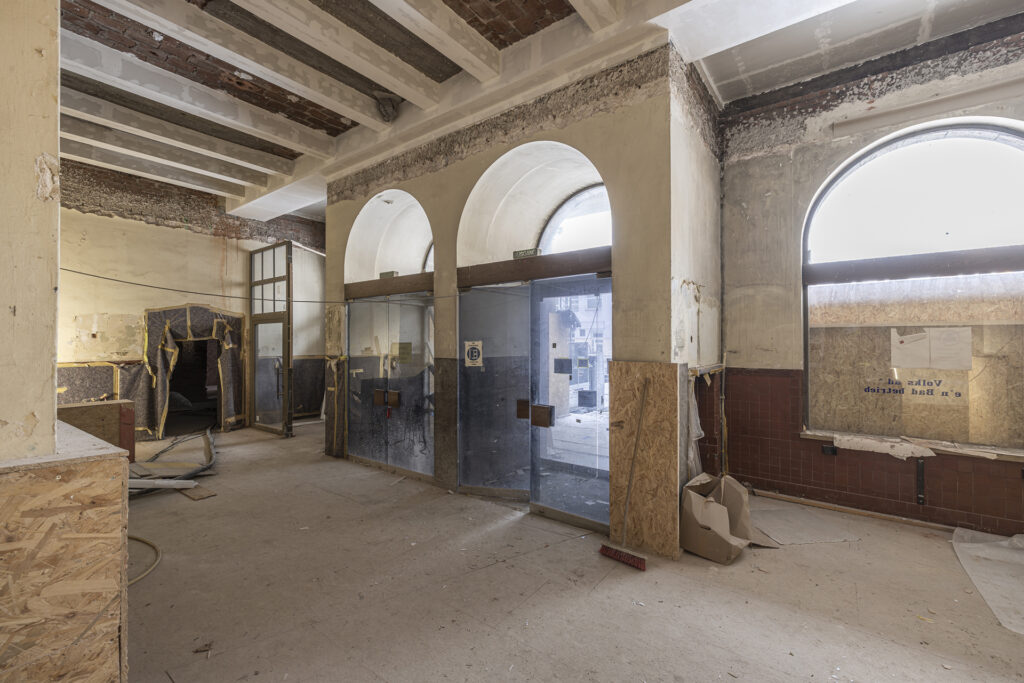
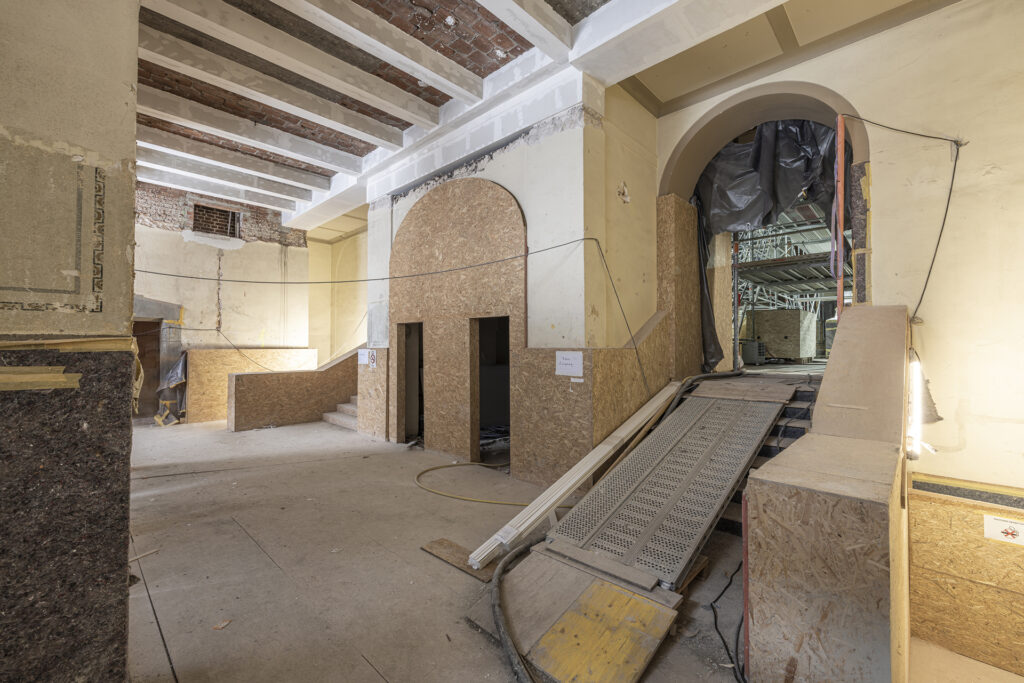
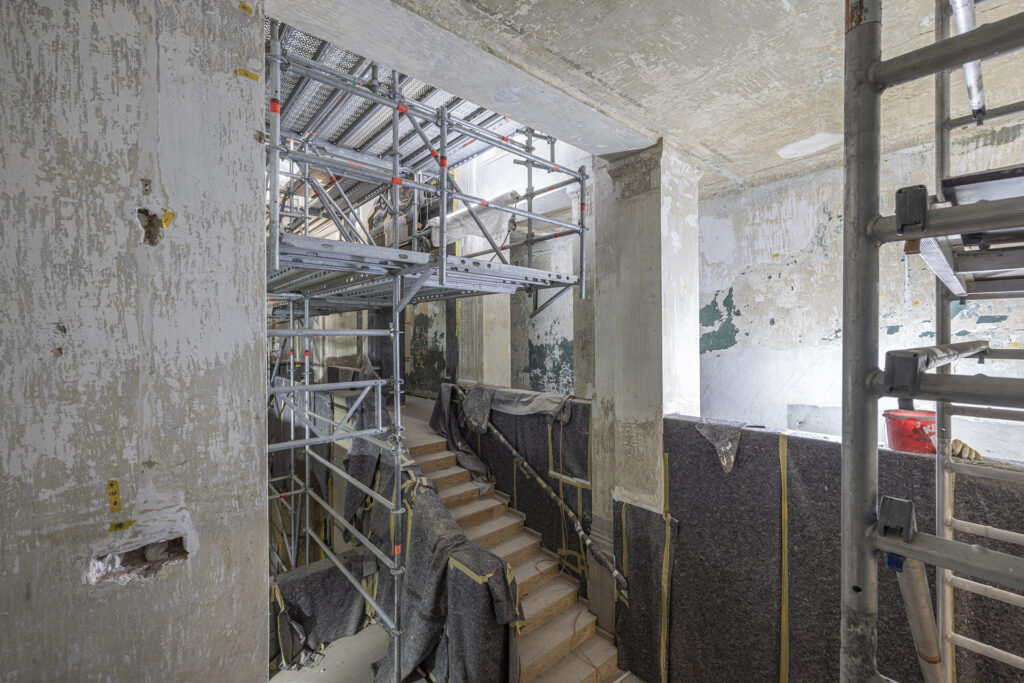
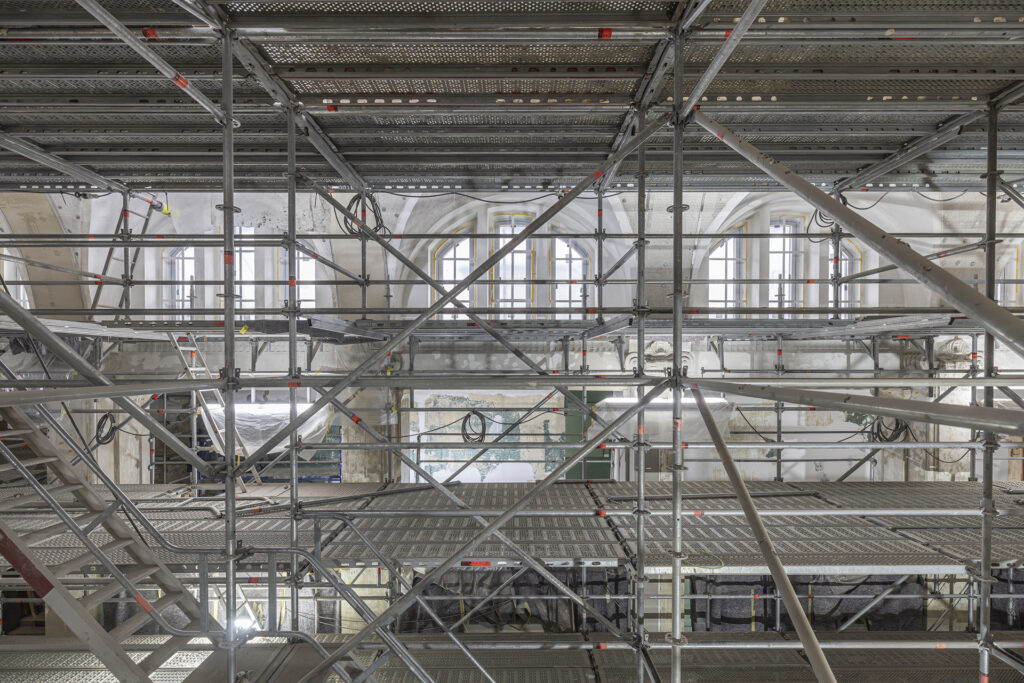
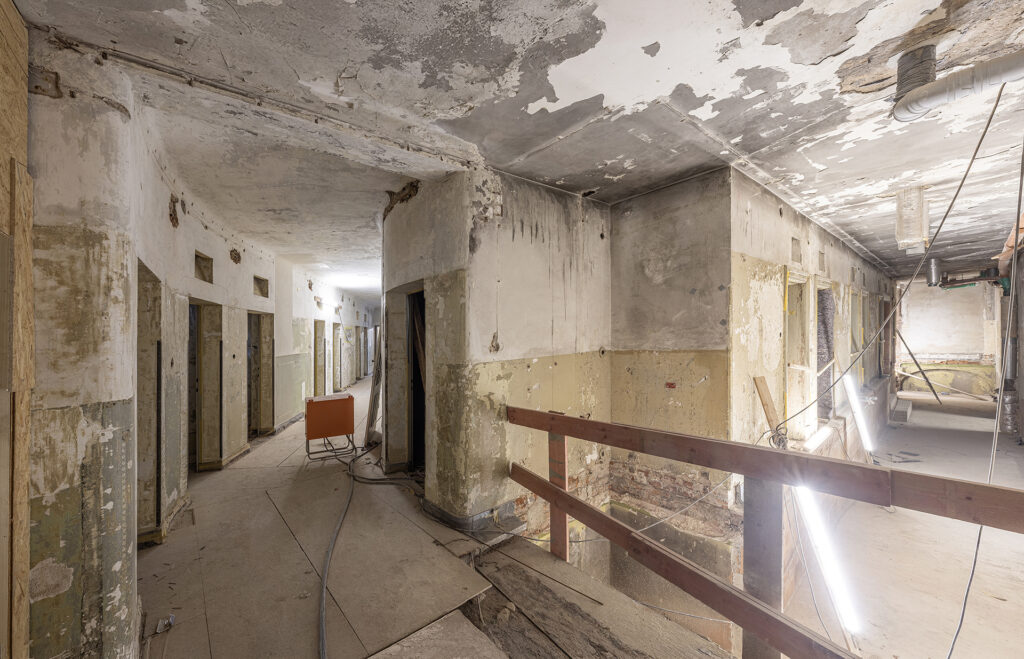
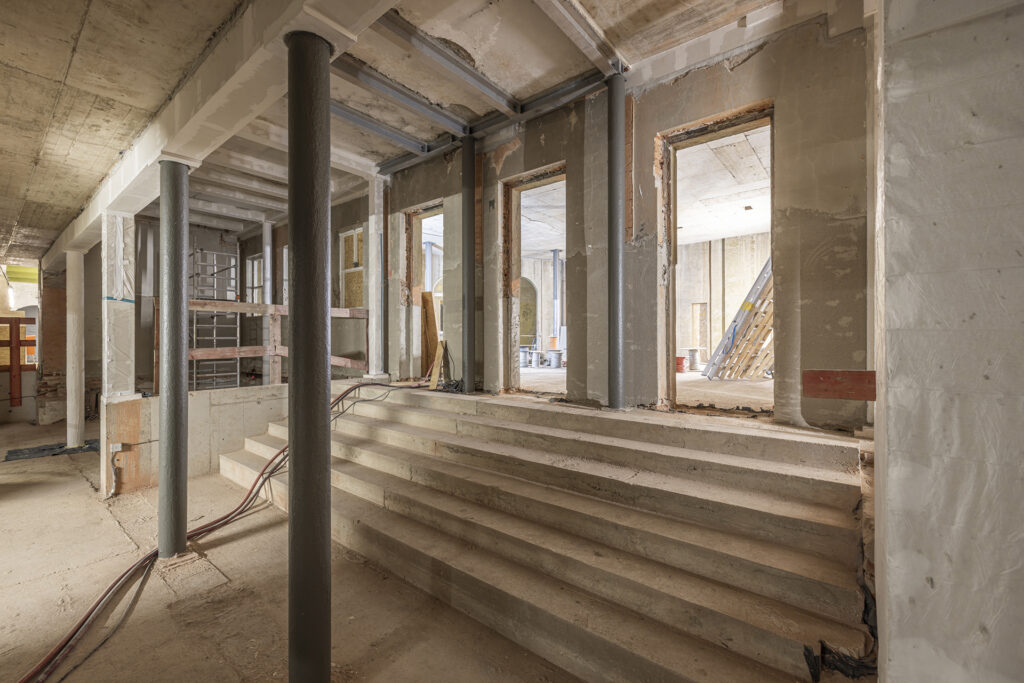
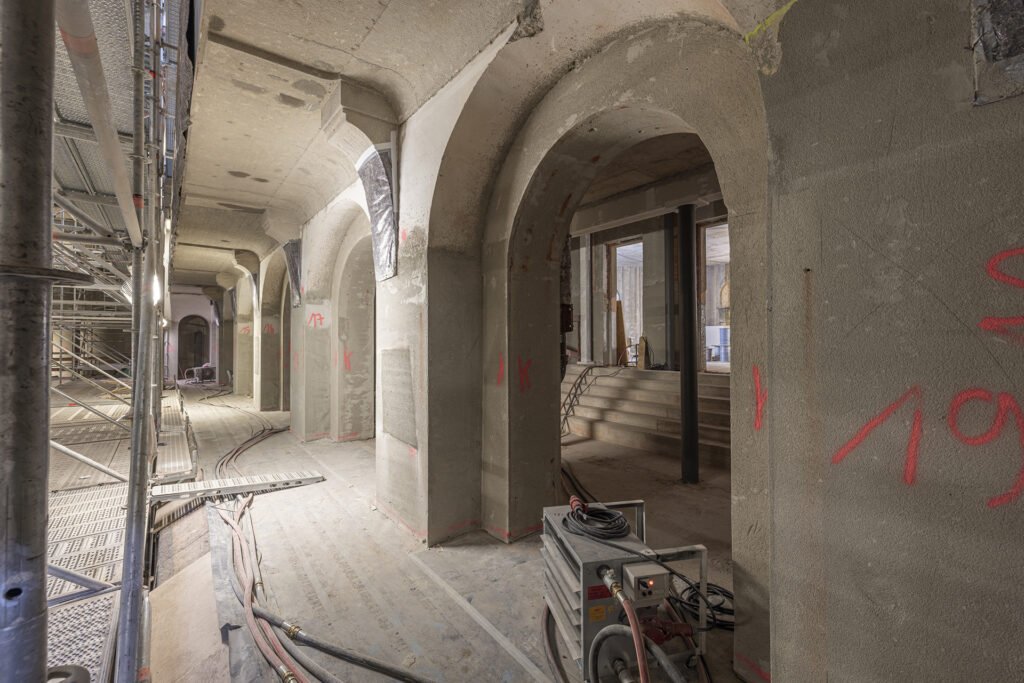
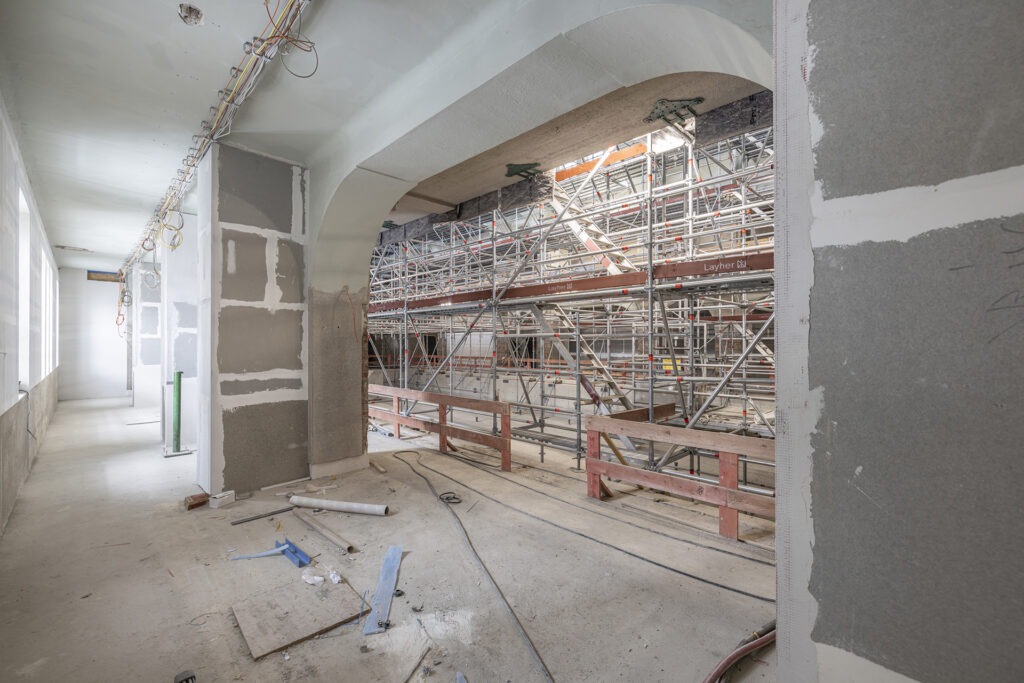
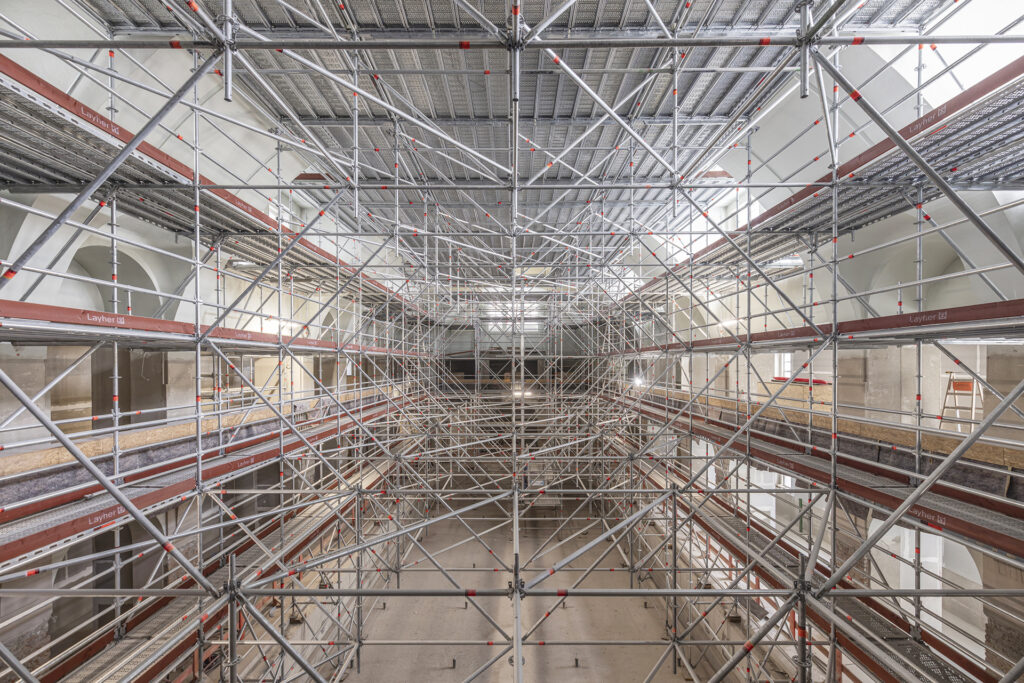
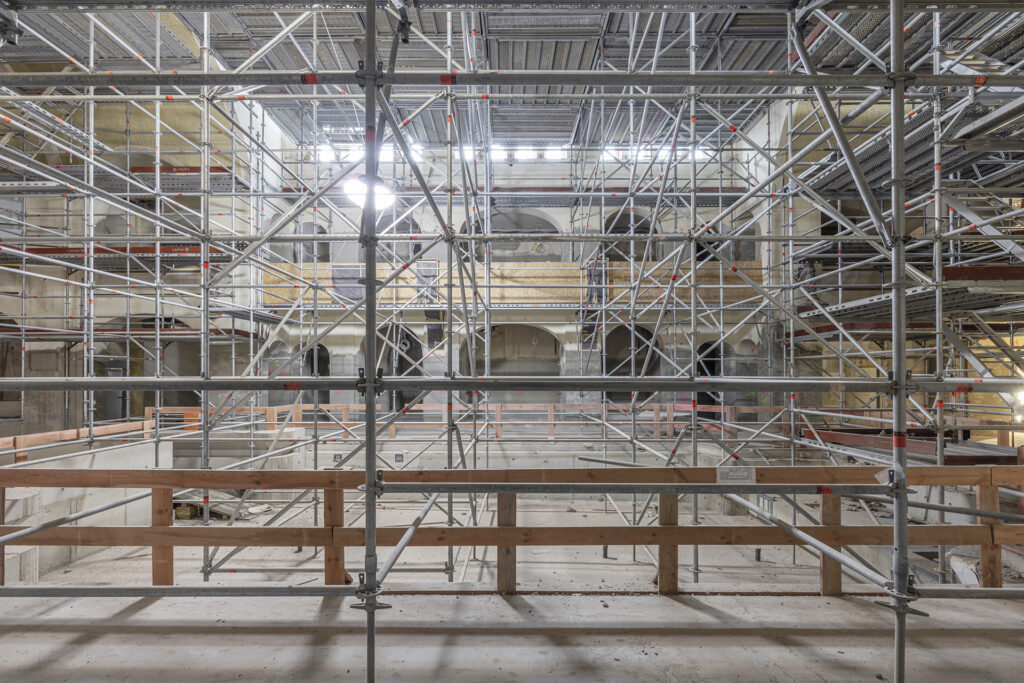
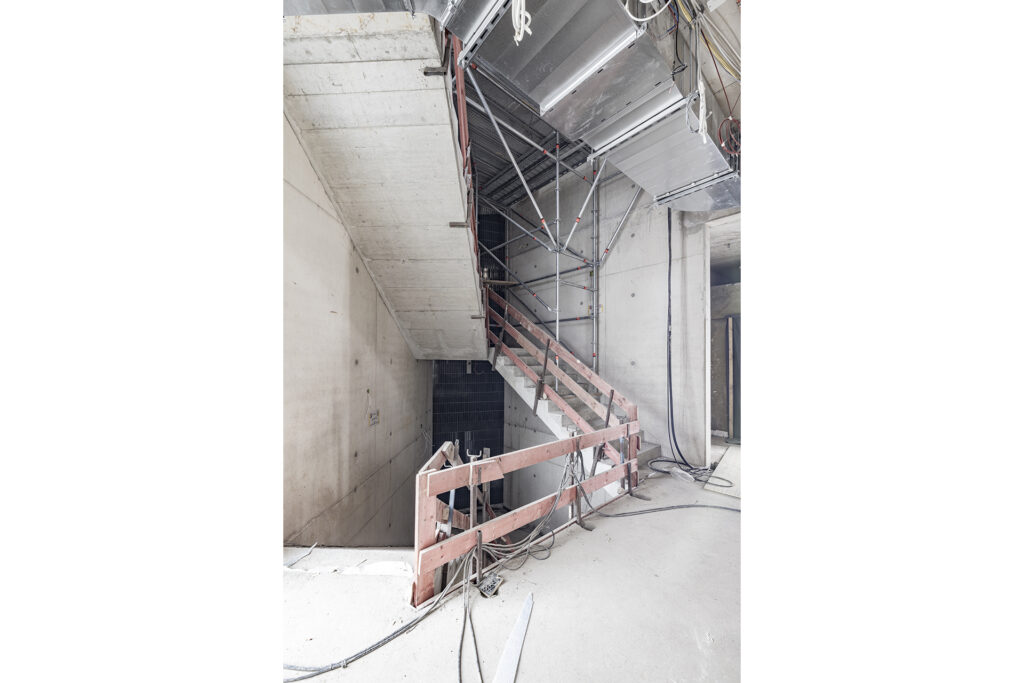
After nearly 30 years of vacancy and countless political debates, the starting signal was finally given in 2020: The Volksbad is being saved! Since autumn 2021, a mammoth project with an investment volume of approximately 55.6 million euros has been underway.
Under the general planning of Fritz Planung and construction management by the firm ganz werk, the bath is not only being renovated but truly brought into the modern era:
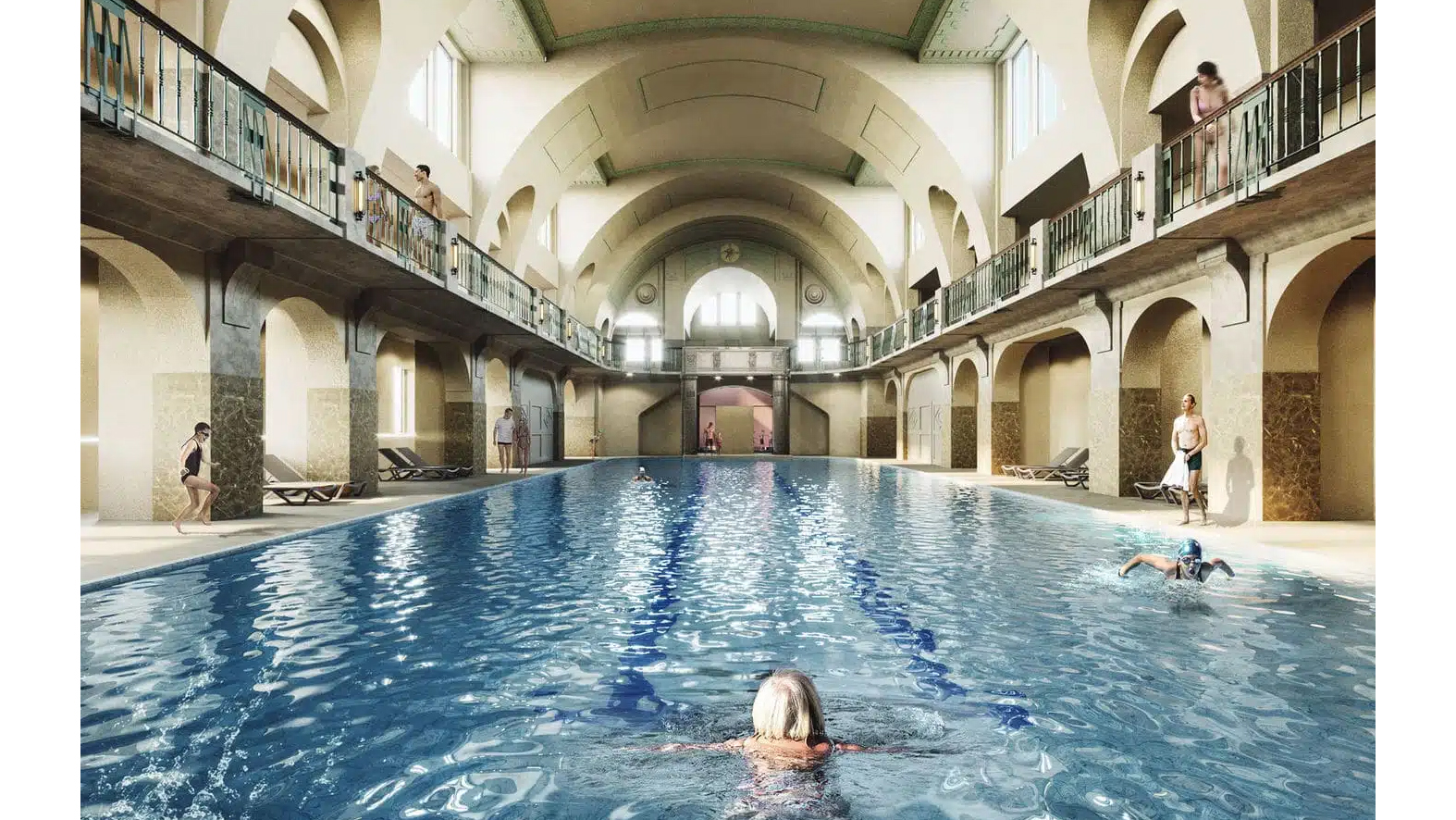
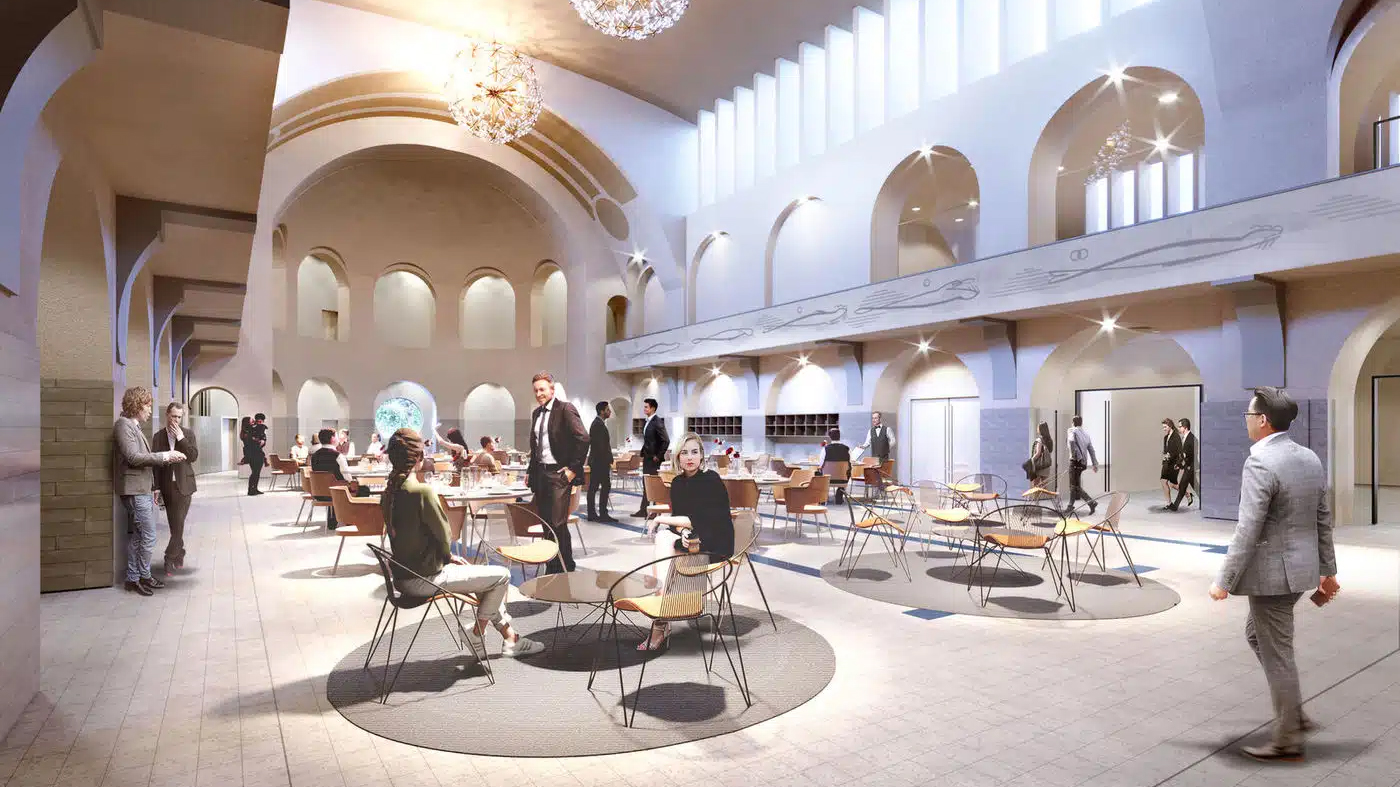
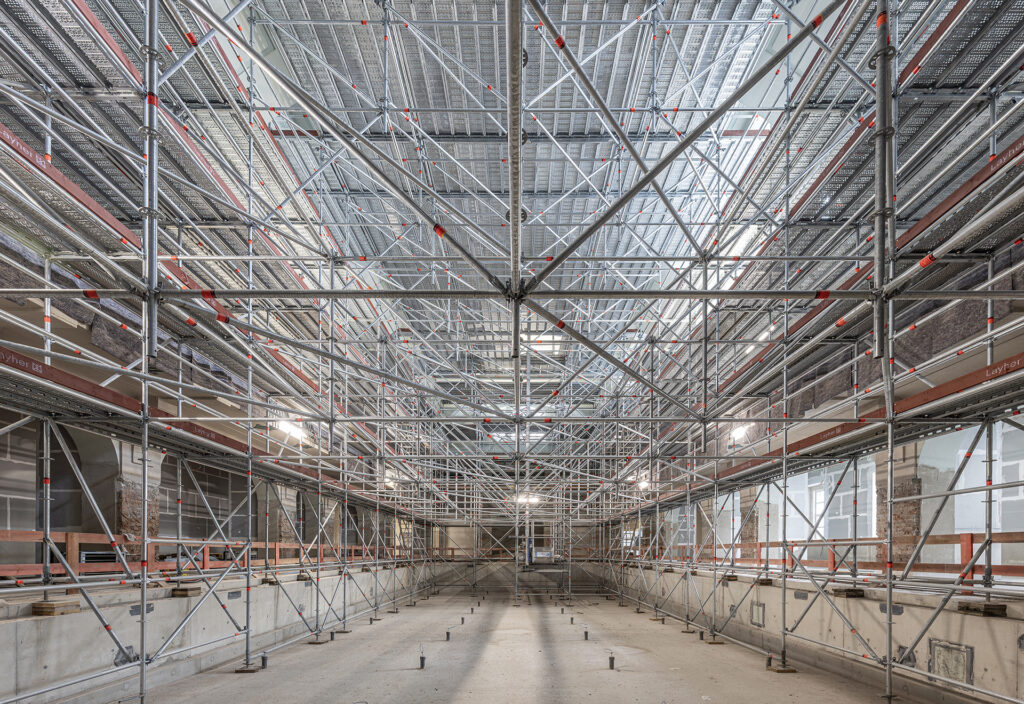
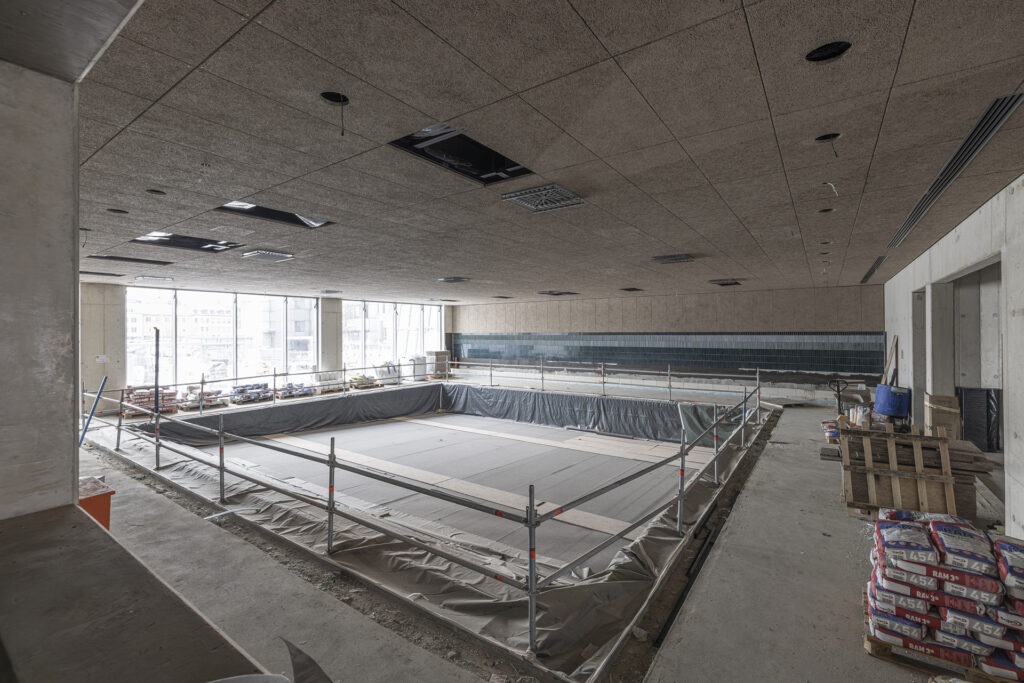
Hall I (formerly the Men’s Hall): Being restored to its original state, it will be available for public swimming once again.
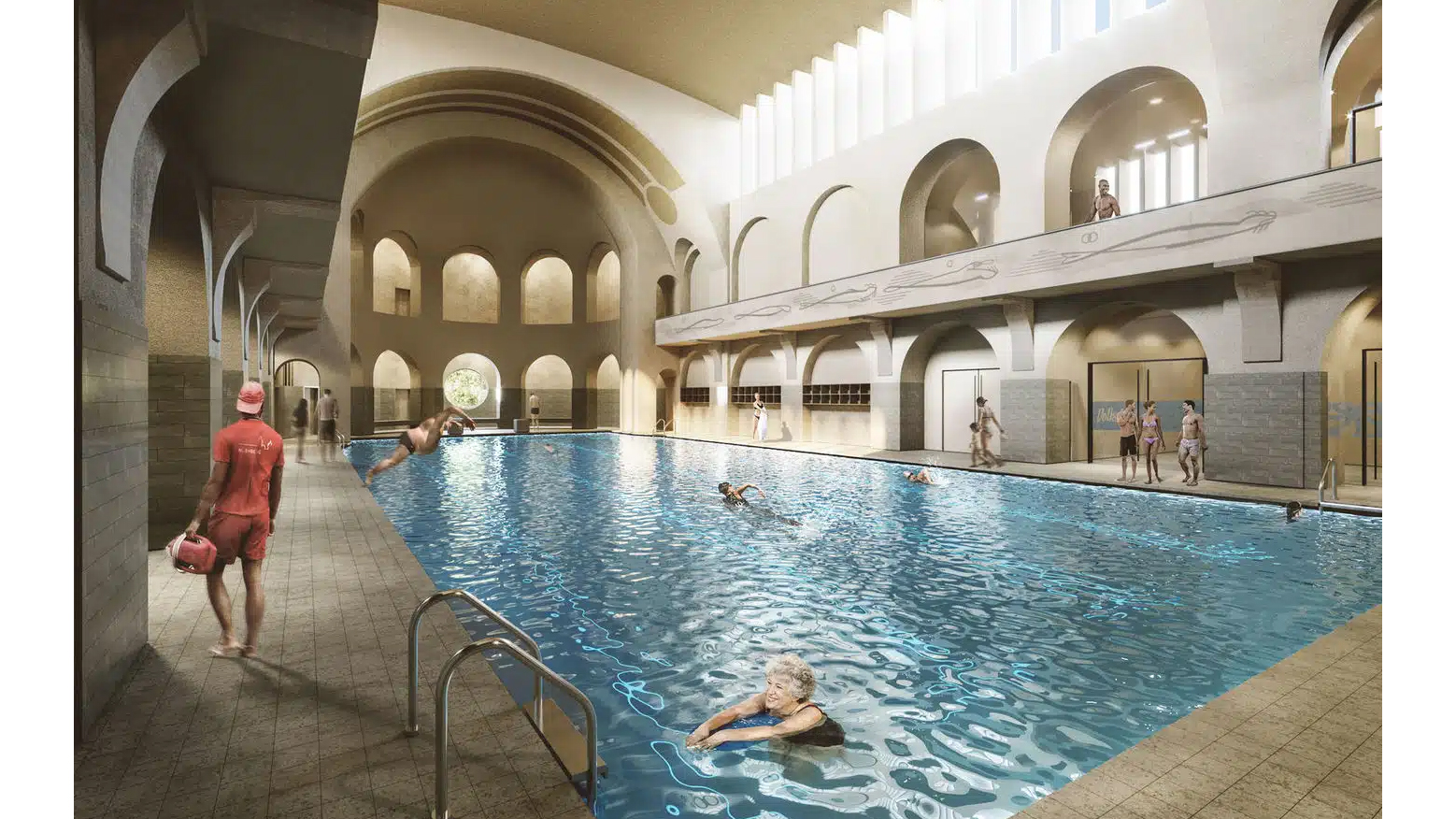
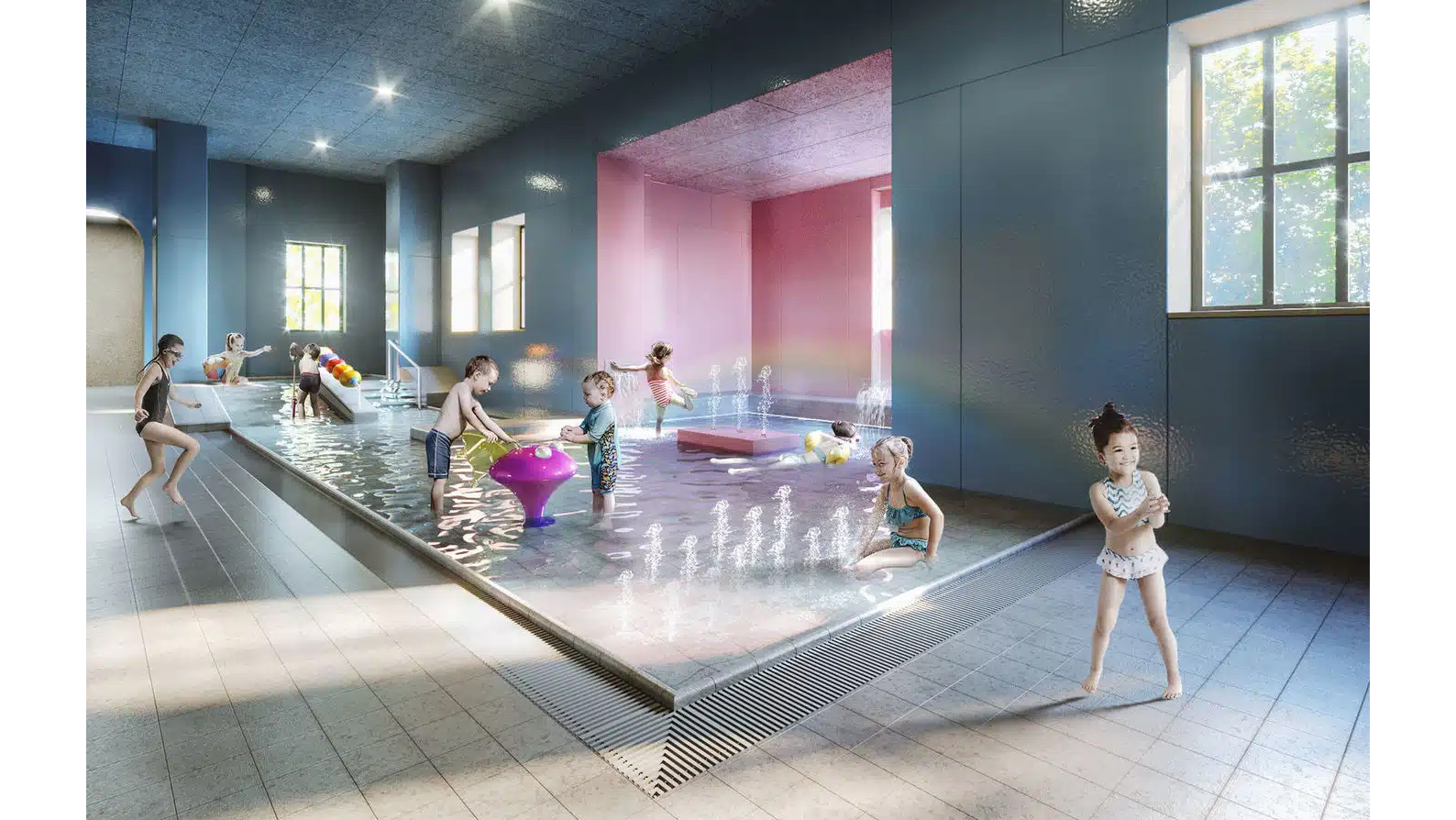
Hall II: Will serve as a teaching pool for schools and clubs in the future.
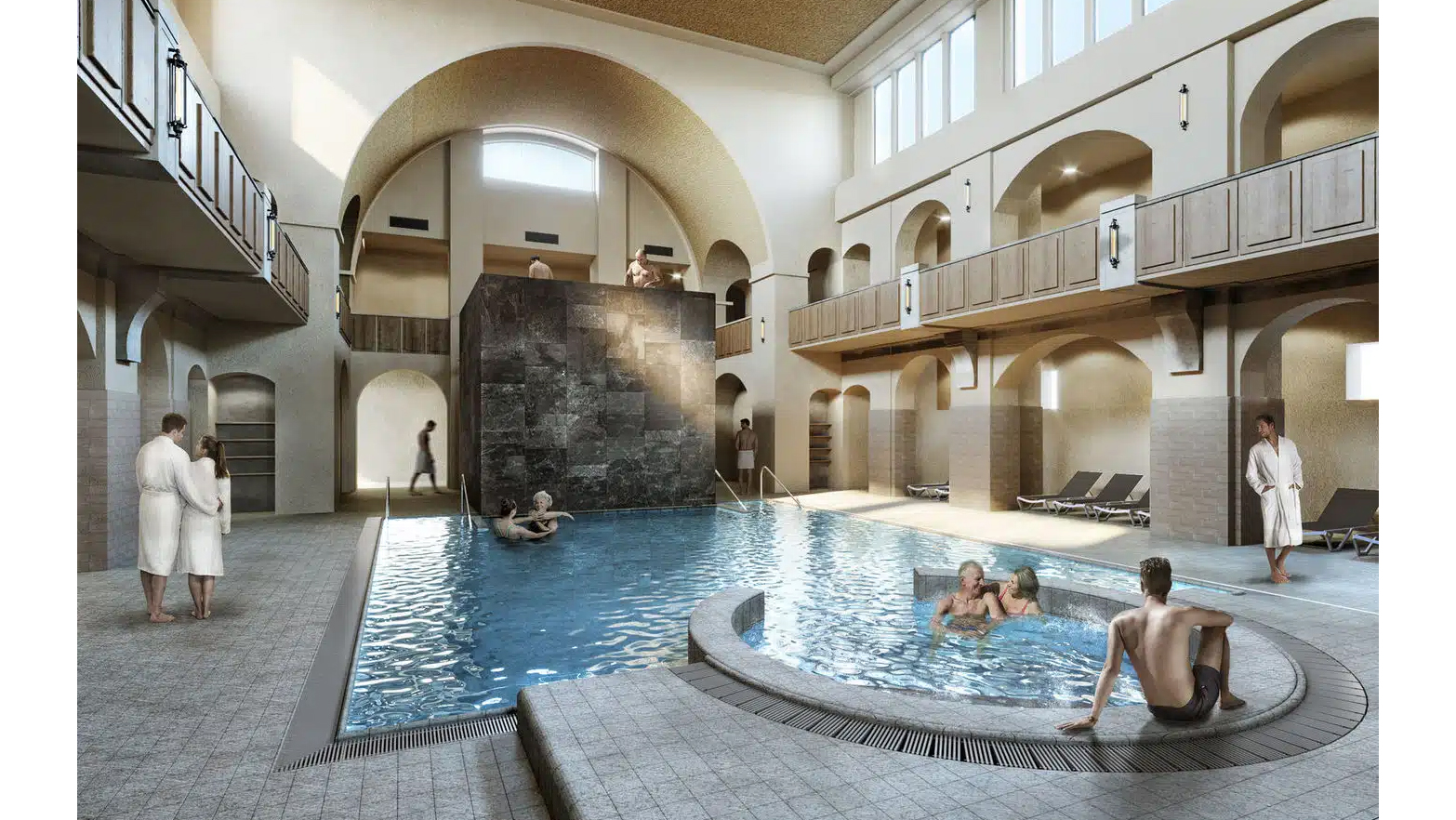
Hall III (Women’s Hall): Being transformed into a modern wellness and sauna landscape.
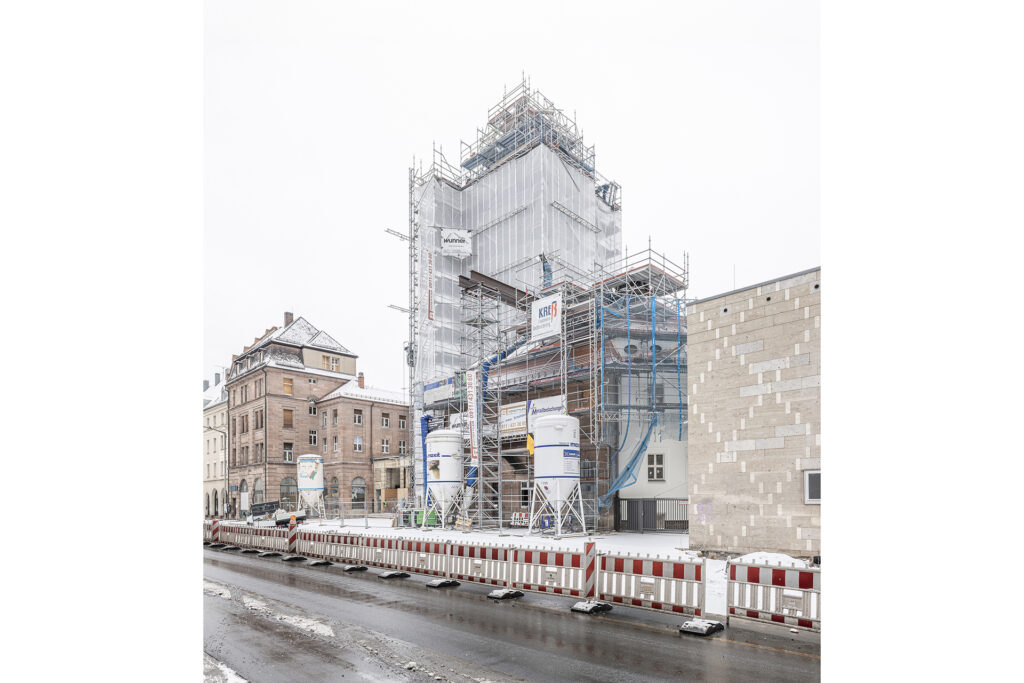
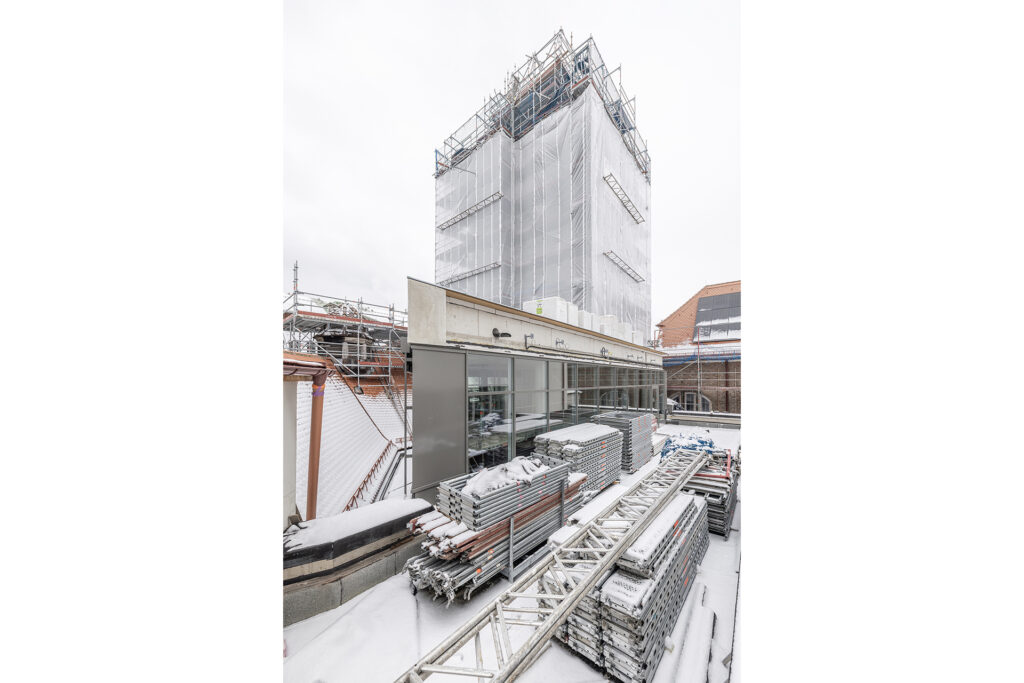
The Tower: A special highlight is the faithful reconstruction of the historical water tower, which, with its height of 38 meters, has once again dominated the skyline at Plärrer since 2025.
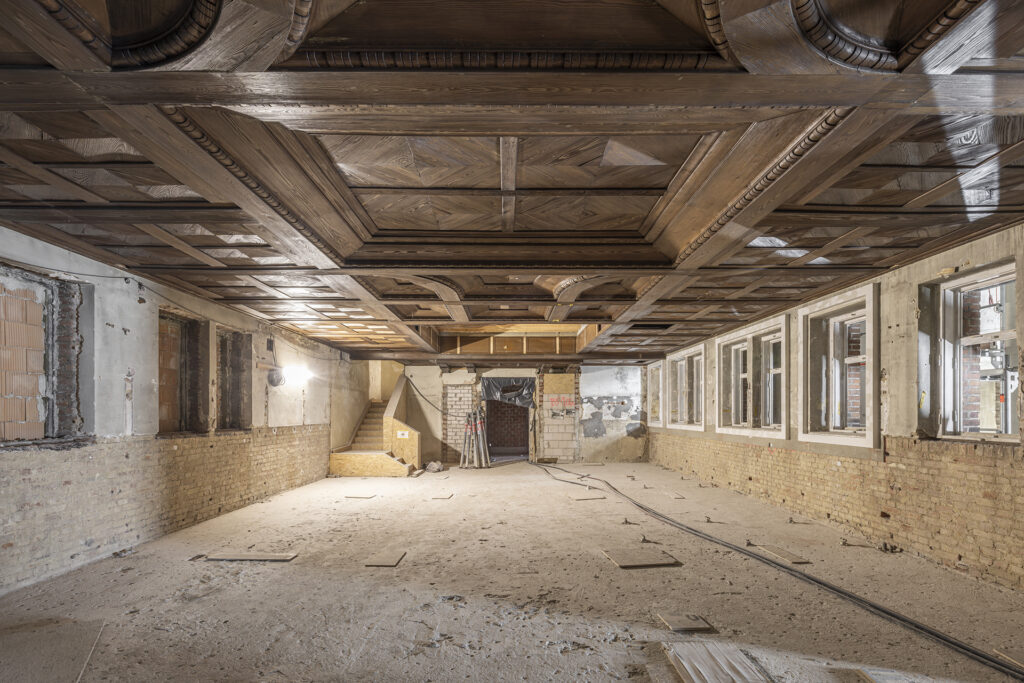
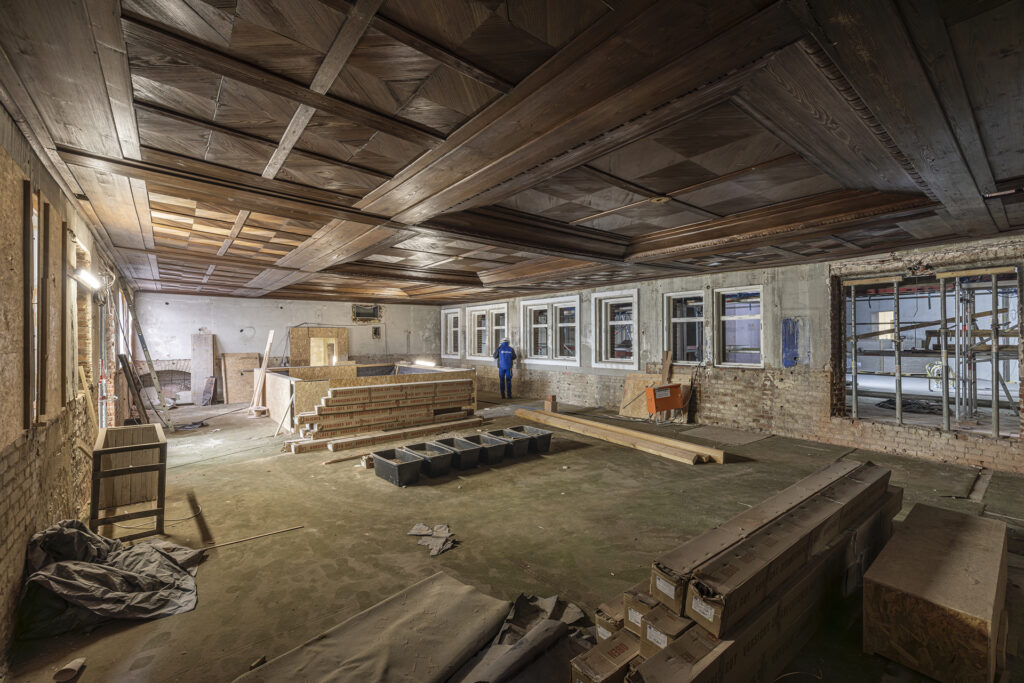
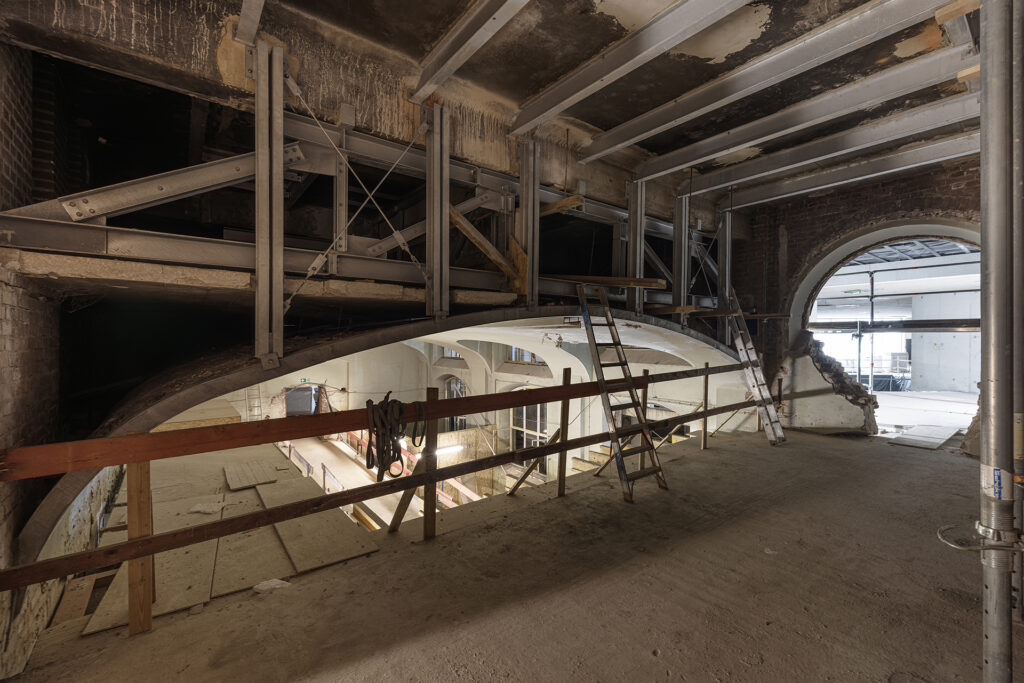
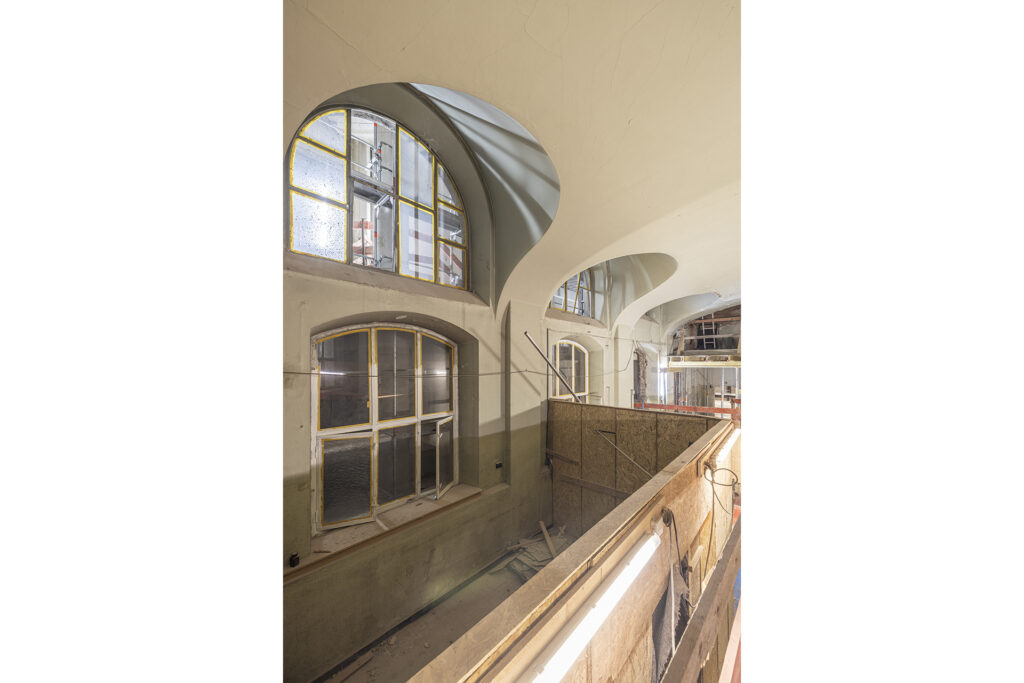
Documenting the Transformation: The Volksbad Today
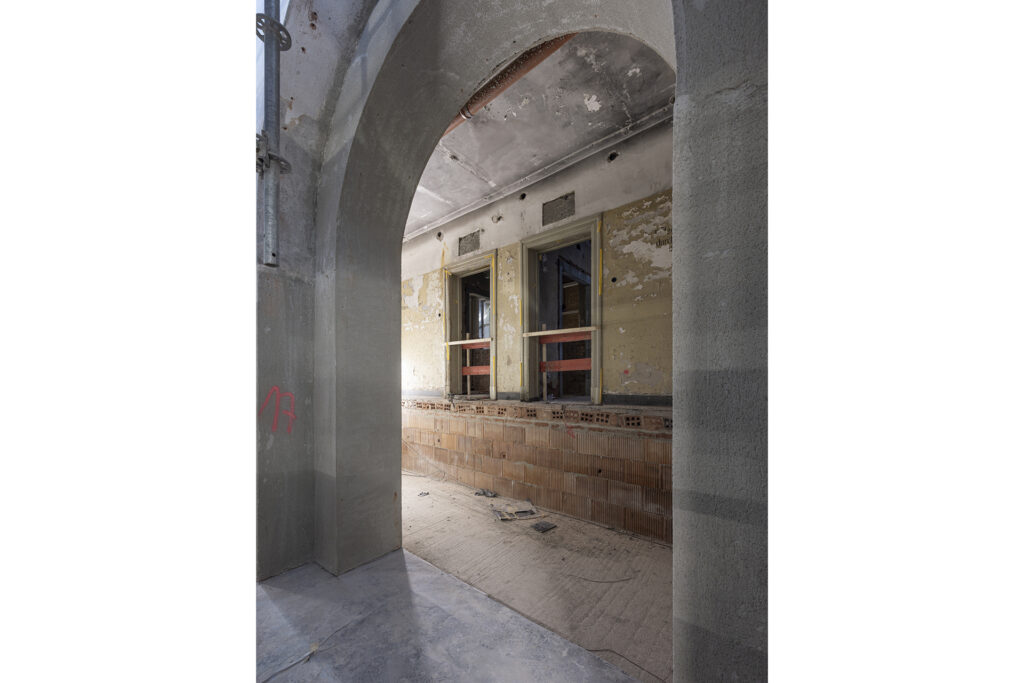
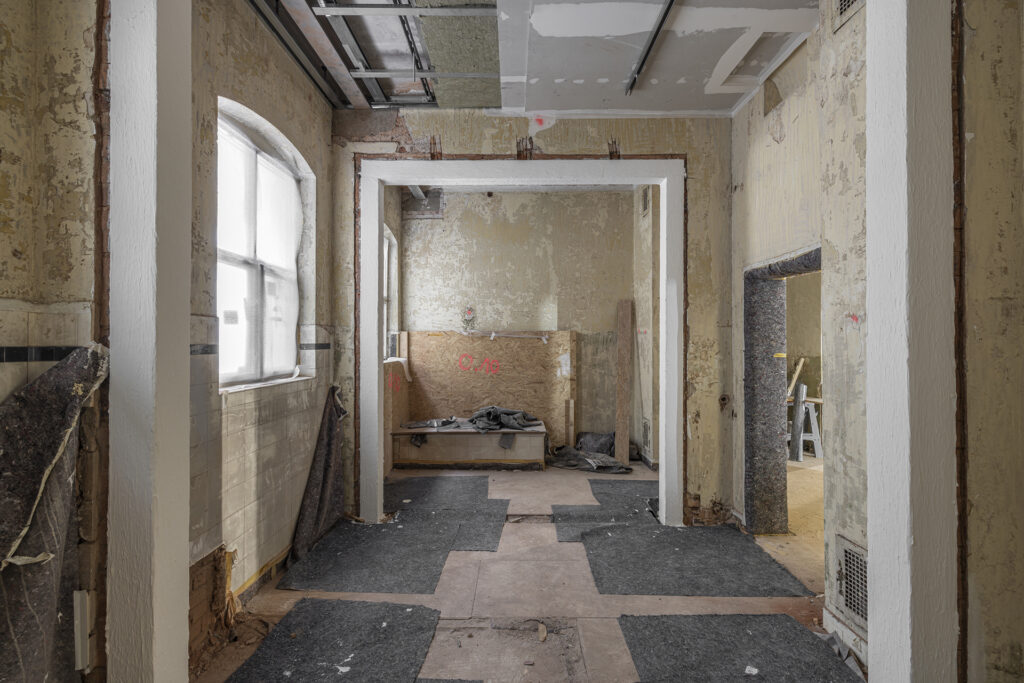
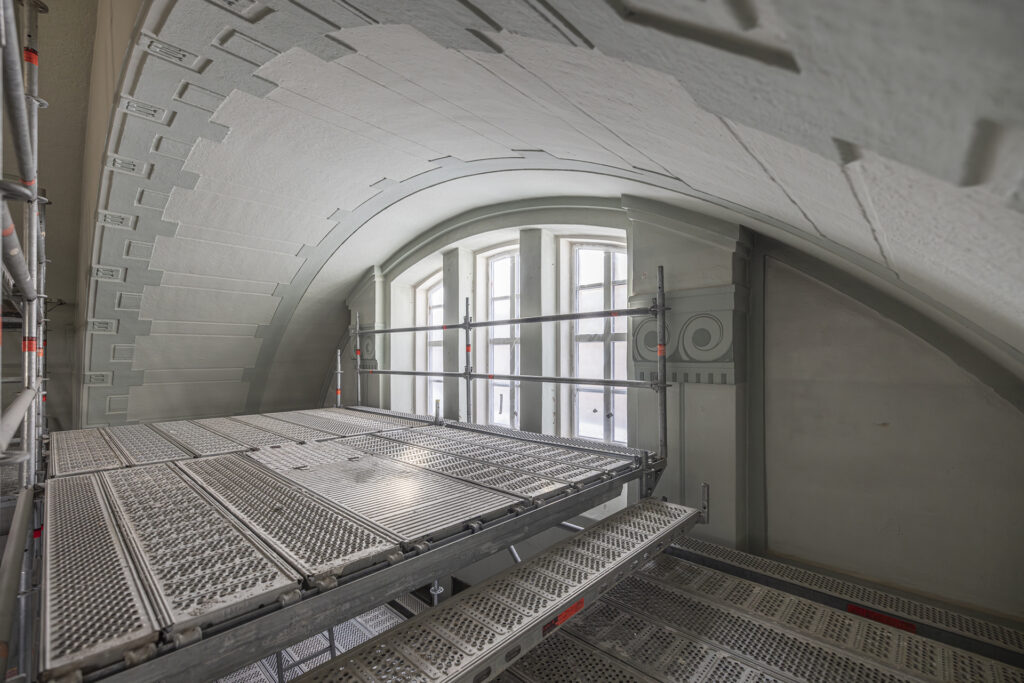
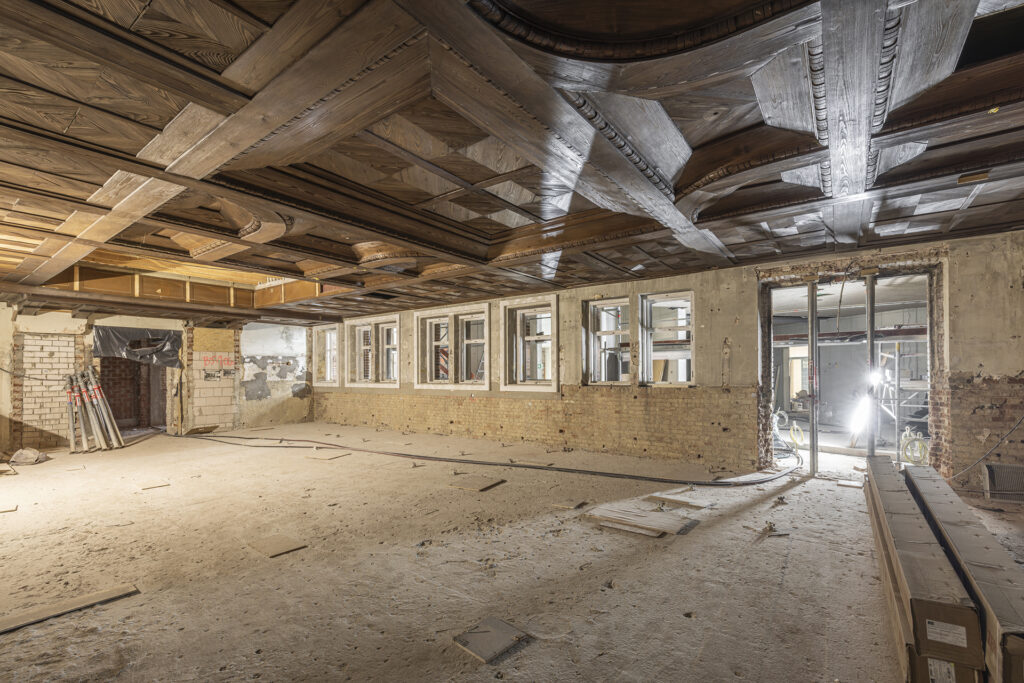
Today, I am once again capturing the project with my camera—but this time, I am not documenting decay, but the birth of something new. It is fascinating to see how the historical structure merges with modern technology (such as resource-saving recycled concrete).
The opening is scheduled for late 2026. Until then, I will be continuously updating this article and providing you with exclusive insights from the construction site.
Further Information & Sources
If you would like to dive deeper into the history of the Volksbad or learn more about the technical details of the renovation, I recommend the following sources:
Wellness in 1914: A fascinating insight into daily life at the baths and the luxury of the era at the time of its opening.
Population Growth & Construction Boom: Background information on Nuremberg’s urban development that made the construction of the bath necessary in the first place.